Why Is My Air Vent Leaking Water When It Rains?
The most common causes of an air vent leaking water when it rains are a roof leak, a faulty vent pipe, a damaged roof vent, or gaps around vent openings that let rain enter the attic. Water can travel through ductwork, insulation, and ceiling materials before appearing around an indoor air vent, so that the drip may be far from the actual entry point. Learn more.
Air Vent Leaking & Rainwater
A leaking air vent during rainfall means water is entering somewhere above your ceiling. The vent itself may not be the source.
Rain can enter your home through:
- Damaged roofing
- Loose roof vent
- Deteriorated metal flashing
- Gaps around a vent pipe
Once inside the attic, water may travel along ductwork, rafters, insulation, or other surfaces before reaching the ceiling vent.
What Are the Common Causes of a Roof Leak Near An Air Vent
A roof leak around an HVAC or exhaust penetration can allow rainwater to enter the attic. Roof penetrations require flashing and sealing to keep water away from openings. If the flashing becomes loose, bent, cracked, or damaged, water may find its way beneath the roofing materials.
A roof vent is another possible source, as they have exposed openings that must be properly protected from rain. Damage to the vent cover or surrounding materials creates an opening through which water enters. During heavy rain, even a relatively small gap allows enough water inside to produce visible water stains on your ceiling.
Can Wind-Driven Rain Cause A Vent To Leak?
Wind-driven rain can actually make an existing weakness around a roof penetration more noticeable. Strong winds can push rain against vent covers, roof surfaces, flashing, and other exterior components from unusual directions. If there is a gap or the seal is damaged, the wind can force water into the opening.
Can An AC Unit Cause Water Around An Air Vent?
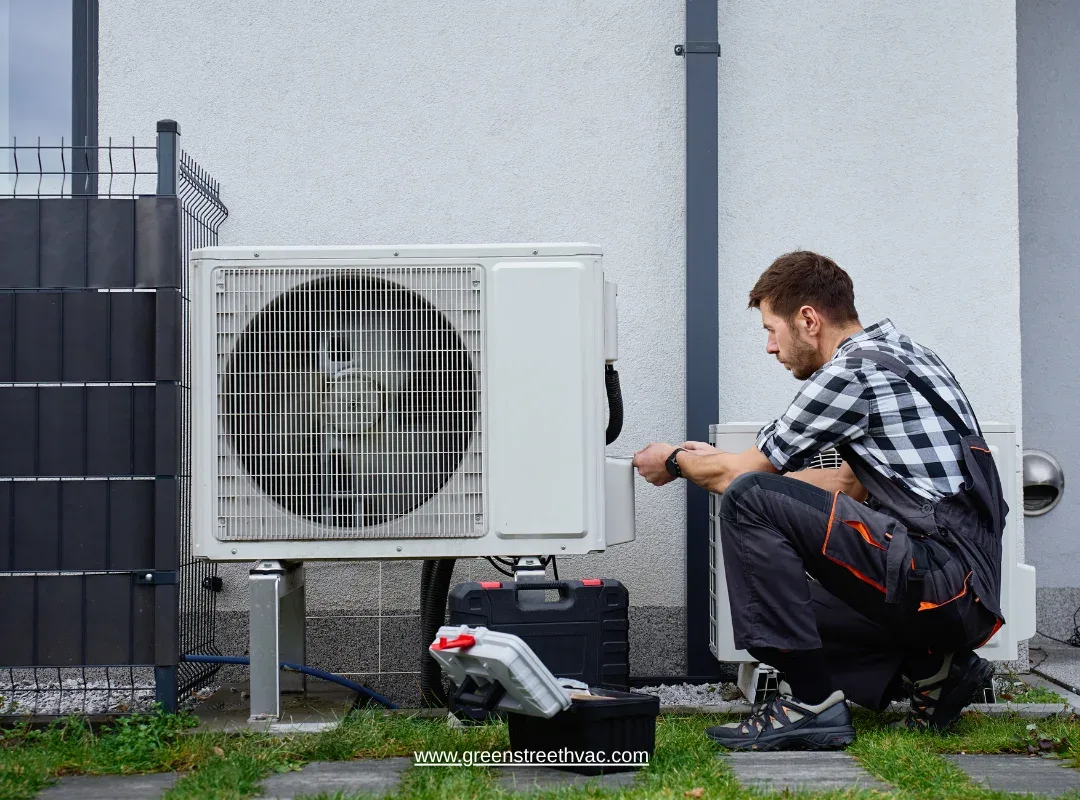
Rain is not always responsible for water near a vent. An AC unit produces condensation during normal cooling. This moisture is collected and directed away through a drain pan and condensation drain line.
If the drain line cracks, clogs, disconnects, or is improperly positioned, water can collect around the HVAC equipment. A damaged or overflowing drain pan can create a similar problem. Depending on where the ductwork and equipment are located, this moisture may eventually appear around a ceiling vent.
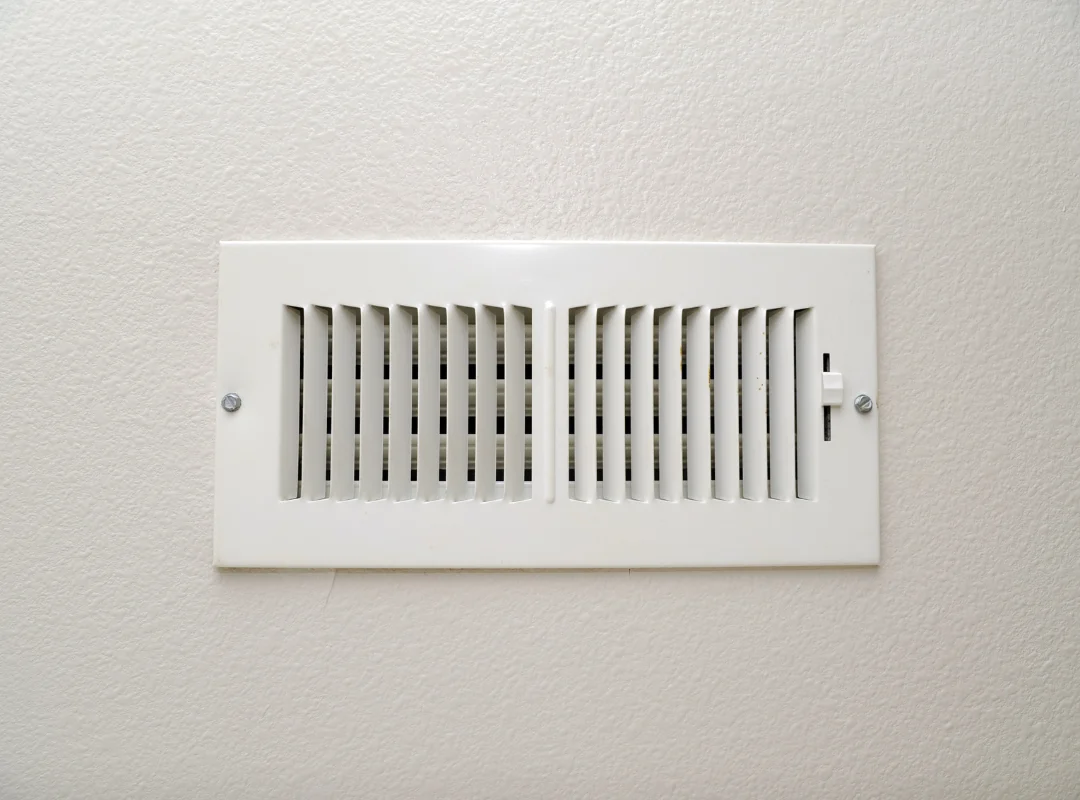
How Condensation Can Cause Moisture Around A Vent
Condensation forms when humid warm air contacts cooler surfaces. HVAC ducts develop condensation when surrounding air contains significant moisture, and the duct surface is cold. Poor insulation can make this more likely, especially in a high-humidity attic.
Moisture can also build up around duct connections and registers. If the problem continues, it may cause damp insulation or staining around the ceiling.
Moisture buildup should not be ignored simply because it does not appear to come from rain. Constant damp conditions can contribute to mold growth, deteriorate building materials, and damage insulation.
What About A Bathroom Vent Or Bathroom Fan?
A bathroom fan and bathroom vent remove humid air from your bathroom. The exhaust duct should carry that air outside rather than releasing it into the attic. If the duct terminates inside the attic, has a damaged exterior termination, or becomes disconnected, moisture can accumulate in the surrounding area.
What Do Water Stains Around A Vent Mean?
Water stains around an air vent generally indicate that moisture has reached the ceiling material. Yellow, brown, or discolored patches can develop after repeated exposure to water. A stain does not necessarily show where the water entered because moisture can travel through the ceiling and attic before becoming visible.
If the area becomes saturated, wet drywall may sag, soften, or deteriorate. Insulation can also become damp. In some situations, you may need to replace damaged insulation after the water source has been fixed.
How Attic Vents Can Let In Rain
Attic vents provide airflow through the attic, but that is not enough because their exterior components still need protection from weather.
- Damaged covers
- Deteriorated seals
- Improperly installed vent openings
All these can create opportunities for rain to enter. Checking attic ventilation after major weather can reveal water trails, damp areas, or other signs of water intrusion.
What Should You Do If Water Is Leaking From A Vent?
If an air vent is actively leaking, take serious precautions around electricity. Water that reaches electrical components can pose a serious safety hazard. If the vent is near a light fixture, wiring, or other electrical equipment, you must avoid touching wet components.
An inspection of the attic may reveal:
- Wet insulation
- Water trails
- Damaged roofing
- Loose flashing
- Moisture around ducts
The HVAC system can also be checked for problems involving the drain pan, drain line, and condensate drainage.
When Should You Call An HVAC Technician?
An HVAC technician can inspect HVAC-related causes of water, including the AC unit, ductwork, drain system, and condensation. If the problem comes from the roof, a roofing professional may need to inspect the roofing materials, flashing, and roof penetrations.
How to Reduce Future Moisture Problems
Routine HVAC and attic inspections can reveal developing moisture problems before they cause ample interior damage. Check the air filter regularly and follow the manufacturer’s maintenance recommendations for your HVAC system. Restricted flow of air can contribute to certain cooling problems and may affect condensation conditions.
Conclusion
If you are asking why your air vent is leaking water when it rains, the cause may be:
- Roof leak
- Damaged roof vent
- Vent pipe
- Deteriorated metal flashing
- Rain entering through vent openings
HVAC condensation from a drain pan or condensation drain line can produce similar symptoms when your AC is running. Because water can travel through an attic before appearing around a ceiling vent, finding the actual entry point is important for determining the right repair.
Call Green Street HVAC for Air Vent Repair & More
For HVAC-related moisture issues, call Green Street HVAC for services such as Ductwork Repair, AC Repair, HVAC Maintenance, and Duct Cleaning. Our services can fix HVAC equipment, drainage, and ductwork concerns that may contribute to water or moisture around air vents. Call us at (615) 788-4329 to schedule service.