How Air Conditioning Use Affects Your Home
Air conditioning use means running a system that pulls warm air from indoor spaces, cools it, and sends cold air back into the room. Whether it’s a window unit, a mini-split air conditioner, or a full central air conditioning system, the goal stays the same across all types of air conditioners. Let’s know more.
How an Air Conditioner Works to Cool Your Home
Understanding how an air conditioner works starts with the refrigerant cycle between your indoor and outdoor units. Indoor and outdoor units work together nonstop, moving heat from one side to the other so that indoor air stays cool while outside air carries the extra heat away.
The evaporator coil is inside the indoor unit. It takes heat from the air blowing across it, cooling that air down before a fan blows air back through your ducts or directly into your room. Meanwhile, an expansion valve regulates how much refrigerant enters the coil, controlling the pressure drop that enables the cooling process. If your airflow feels weak even with the AC system running, this piece on improving indoor airflow covers a few practical fixes worth trying.
Types of Air Conditioning Systems Used Today
Air conditioning systems come in a few different setups depending on the layout and size of your home. Window air conditioners work well for single rooms or smaller spaces, cooling ambient air in one area without needing ductwork.
Central air conditioning systems, on the other hand, cool an entire house through a network of ducts connected to a single outdoor condenser unit.
A mini split air conditioner sits somewhere in between, offering zoned cooling for specific rooms without the ductwork required by traditional central air systems.
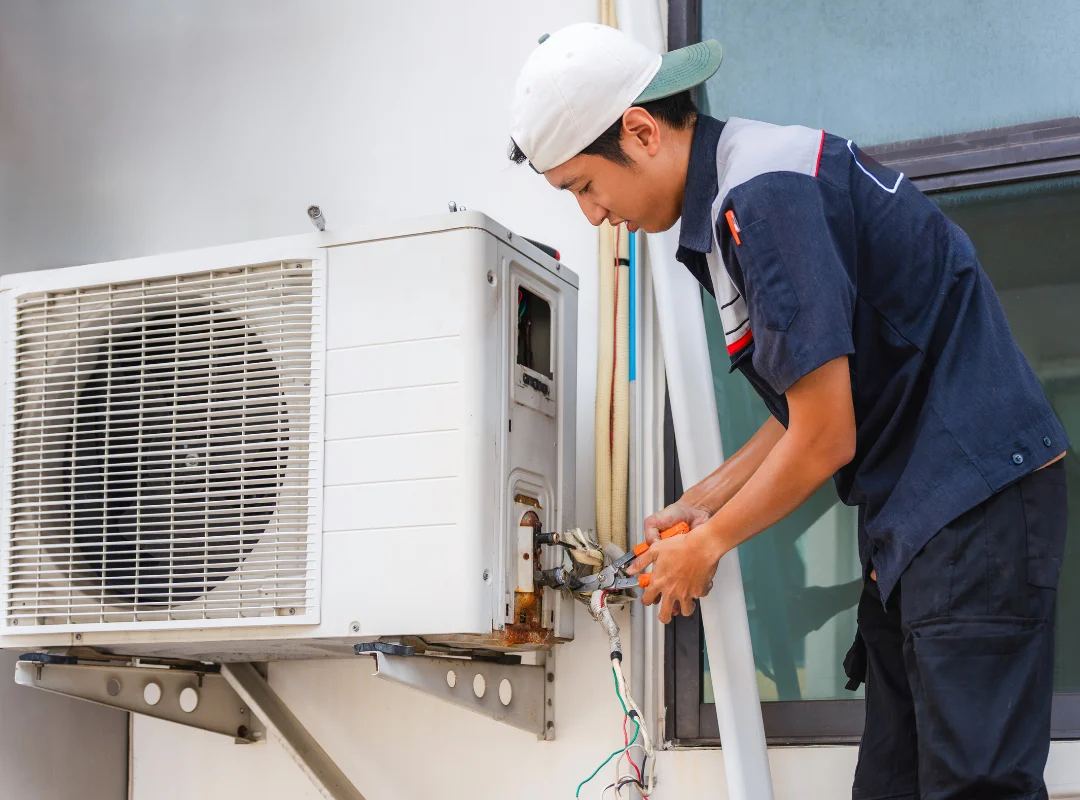
Heat pumps offer an entirely different option, since they cool in summer and reverse the cycle to heat in winter, giving you air conditioning and heating from a single outdoor unit.
Choosing the right type of air conditioning unit makes a real difference in performance. Oversized or undersized cooling units struggle to maintain a steady air temperature, which is why professional sizing and setup matter so much during installation.
If you are considering a new system, you might find this guide on the benefits of professional AC installation useful for understanding why a proper setup changes everything down the road.
Modern Air Conditioning & Energy Efficiency
Let’s get back to the topic now. Modern air conditioning technology has shifted a lot toward energy efficiency in recent years. Newer air conditioner unit models use smarter refrigerants and variable-speed compressors that use less electricity while still delivering steady cool air throughout a home.
Smart thermostats now pair with these systems too, letting you track air flow patterns and adjust settings based on how each room actually feels rather than just guessing.
Some homes now combine heat pumps with traditional central systems to balance heating and cooling costs throughout the seasons, since heat pump technology is now far more capable in colder climates than it once was.
Energy efficiency ratings like SEER2 have also become a bigger part of how you shop for new systems, since a higher-rated unit uses less power to produce the same amount of cooling.
For homeowners looking to extend the lifespan of their current setup, this blog on AC maintenance tips for a longer lifespan walks through a few habits worth adopting.
Keeping Air Conditioning Systems Running Right
Routine care keeps an air conditioning system running the way it should for years.
- Dirty filters
- Blocked outdoor units
- Low refrigerant levels
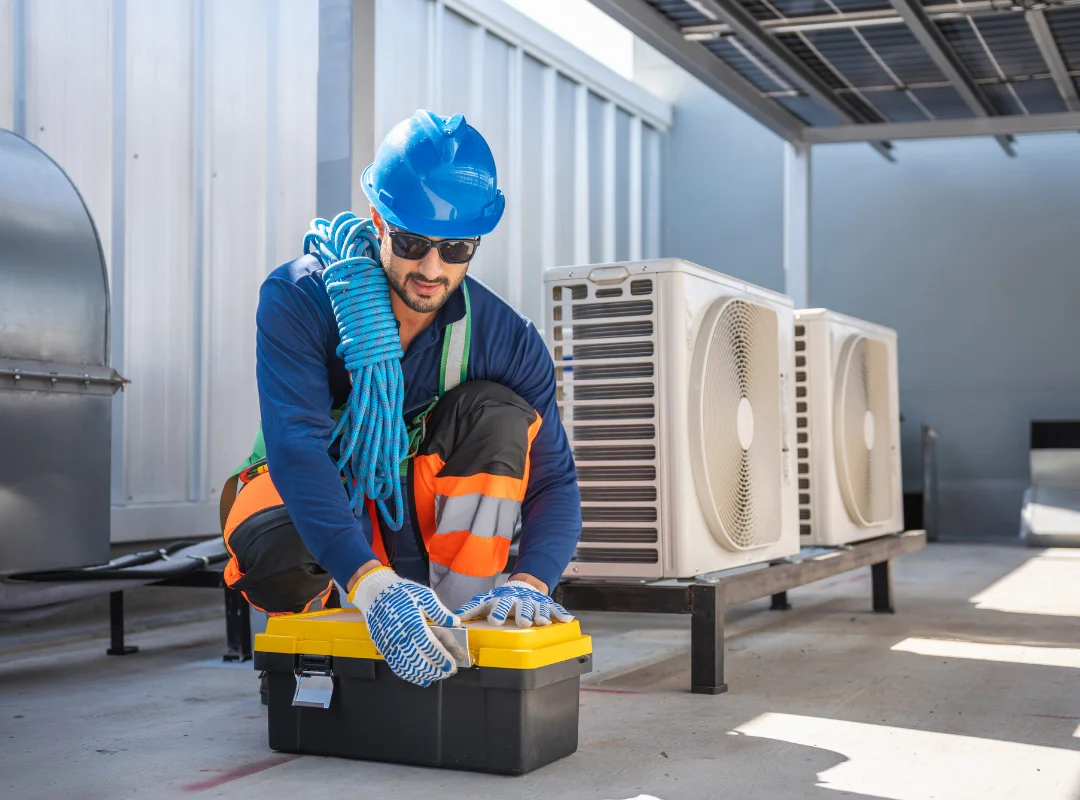
These are some of the most common issues that quietly wear down performance. A blocked outdoor unit can’t release heat properly, which forces the whole system to work harder just to keep indoor spaces at a comfortable temperature.
You should also avoid a few common mistakes that shorten your system’s lifespan, such as closing too many vents or setting the thermostat unrealistically low during heat waves. This list of things you should never do to your AC breaks down habits that cause avoidable damage.
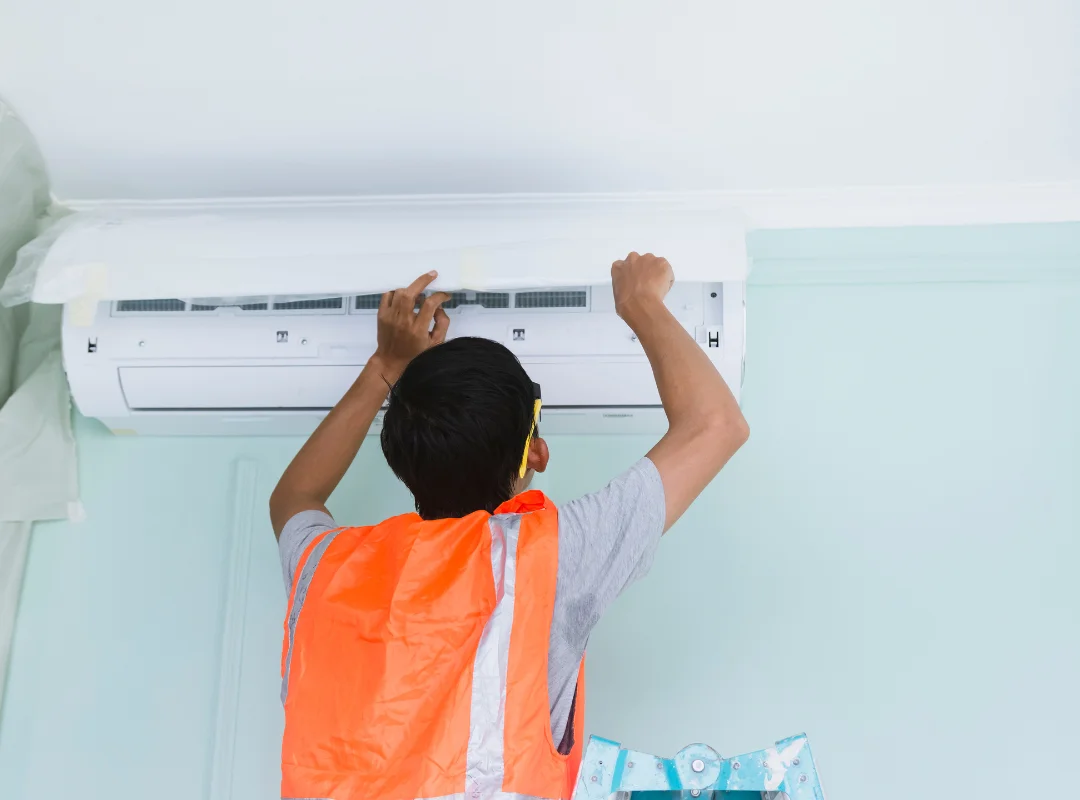
Why Proper Air Conditioner Installation Matters
Getting air conditioner installation done right from the start affects nearly everything about how an air cooling system performs afterward.
- Correct refrigerant charging
- Proper ductwork connections
- Accurate sizing
All these together play into how efficiently your AC unit cools your home and how long it lasts before you need repairs. A poorly installed AC system might technically run, but it’ll likely struggle with higher bills, uneven cooling, and a shorter working life than a properly installed unit would.
If you are planning a new install, you should look into what proper setup actually involves before hiring just anyone for the job.
Air conditioning uses nearly every part of daily comfort during warmer months, from how quickly a room cools down to how much a monthly energy bill ends up costing. Knowing the basics behind how these systems pull heat out of the air and push cool air back in makes it easier to spot problems early.
Doesn’t matter if it’s a window unit or a full central system, routine care and smart use habits go a long way toward keeping things running well through every summer.
Call Green Street HVAC for All Your Cooling Needs
The air conditioning unit isn’t keeping up with the summer heat. Or you’re thinking about upgrading to a more efficient system? Reach out to Green Street HVAC for a straightforward assessment.
We handle AC Install, AC Repair, and HVAC Preventive Maintenance for homes needing anything from a quick tune-up to a full system replacement.
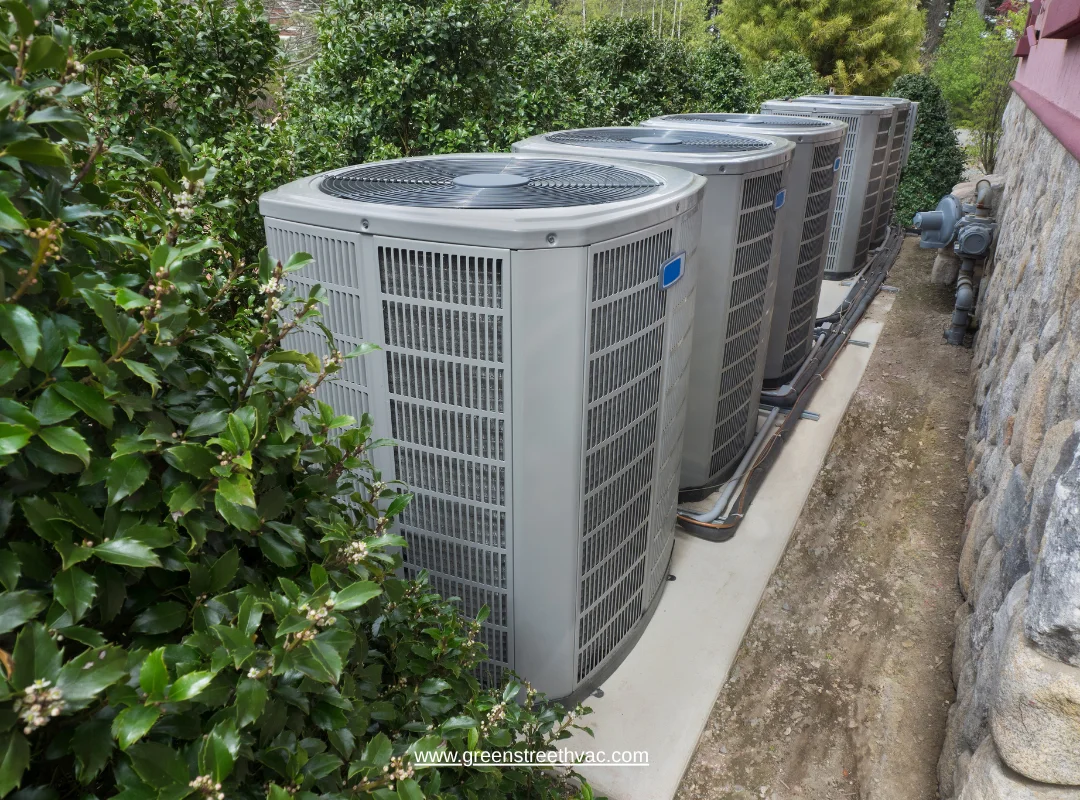
We also offer heat pump installation, Comfort Club membership plans, and Duct Cleaning for homeowners dealing with airflow or efficiency concerns.
Visit Green Street HVAC to browse their full-service list, or contact us to book a visit.
Frequently Asked Questions
Q. What is the use of an AC?
A: An air conditioner cools indoor air by pulling heat out of your room and releasing it outside, keeping your indoor spaces comfortable during hot weather.
Q. How do we use an air conditioner?
A: Most AC systems run through a thermostat, letting you set a target temperature while the unit cycles on and off to maintain it.
Q. What is the main function of AC?
A: The main function of an air conditioner is to remove heat and moisture from indoor air, lowering both humidity and temperature inside your home.
Q. What are the 4 types of air conditioning units?
A: Window units, mini-split systems, central air conditioning, and heat pumps are the four most common types used in homes today.
Q. What are the 5 main parts of AC?
A: A typical AC system includes a condenser coil, an evaporator coil, a compressor, an expansion valve, and a blower fan. If you live near Springfield, Tennessee, call Green Street HVAC to get these parts inspected together during a routine maintenance visit.