How To Schedule Rooftop HVAC Unit Maintenance
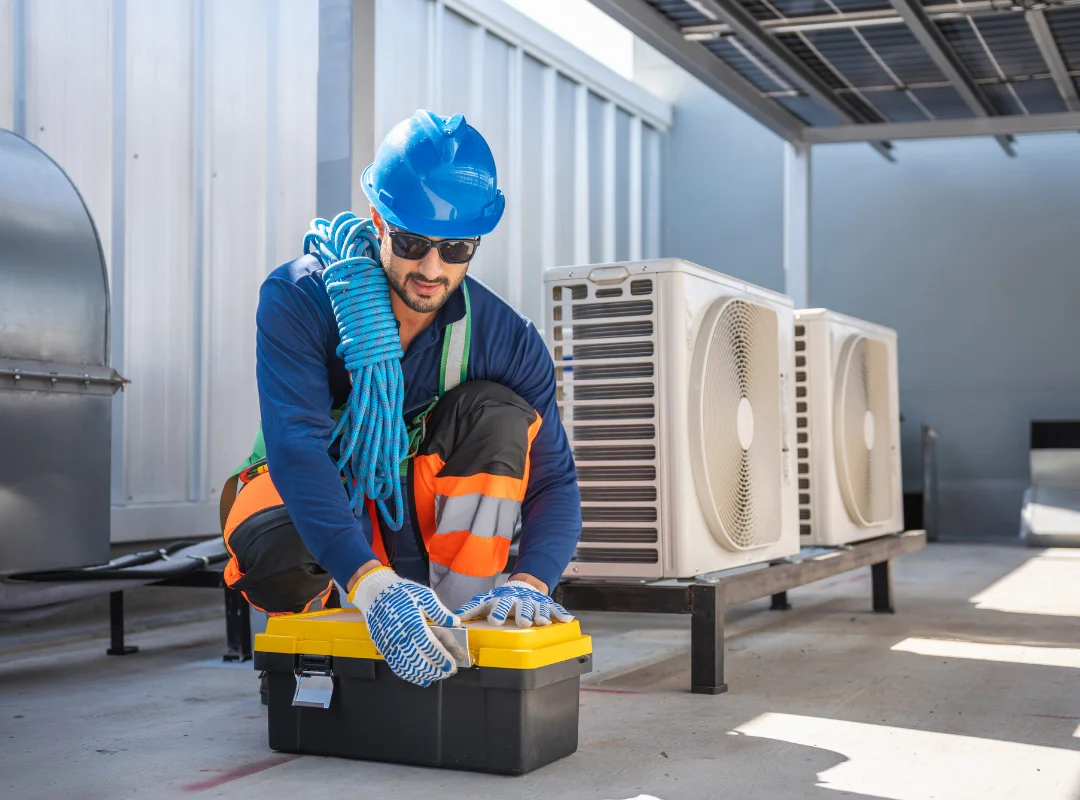
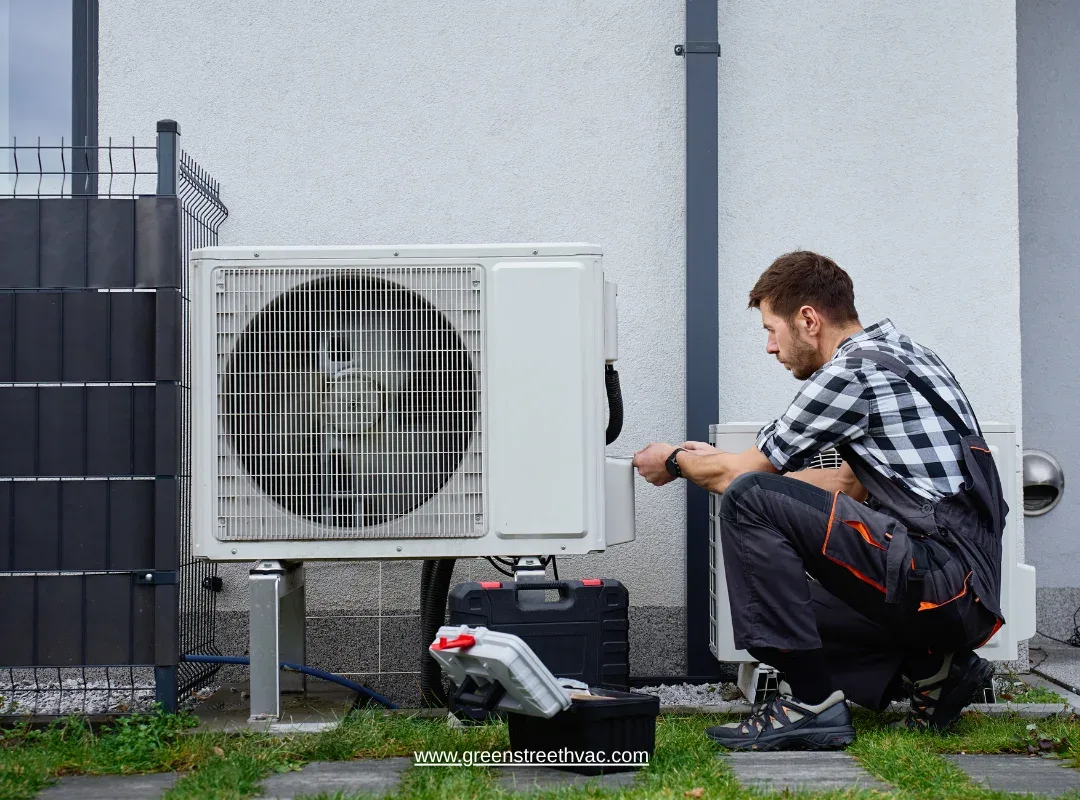
To schedule rooftop HVAC unit maintenance, you should review the manufacturer’s recommended service intervals, identify the equipment, choose a suitable service window, and arrange an inspection with an HVAC professional. Scheduling preventive maintenance before heating or cooling seasons start gives HVAC technicians time to inspect filters, electrical connections, coils, airflow, and other critical components. Let’s learn more.
Why Maintenance of Rooftop HVAC Unit Matters?
The very first step in scheduling rooftop unit maintenance is identifying the units installed on the building. Facility managers can check equipment records for previous inspections, repairs, replacement parts, and filter changes. This information gives the HVAC technician a clearer picture of the condition of the HVAC equipment.
The manufacturer’s recommendations should also be reviewed because different commercial HVAC systems have different requirements. A rooftop package HVAC unit may require different inspections from other commercial equipment, particularly when the system combines cooling and heating components in one cabinet.
Once the service interval is known, schedule the work during a period that causes as little disruption to building occupants as possible. Many businesses arrange maintenance before the heating and cooling seasons begin, while others use a regular service agreement throughout the year.
Why Rooftop Unit Maintenance Matters
Rooftop unit maintenance matters because commercial HVAC equipment operates for extended periods and is exposed to outdoor conditions. Dirt, moisture, dust, leaves, and temperature changes can affect different parts of the heating and cooling unit.
Regular routine maintenance gives HVAC technicians an opportunity to inspect the equipment and identify worn or damaged parts. A technician may discover:
- Deteriorating belt
- Dirty condenser coils
- Restricted filters
- Loose wiring
- Another issue during a scheduled visit
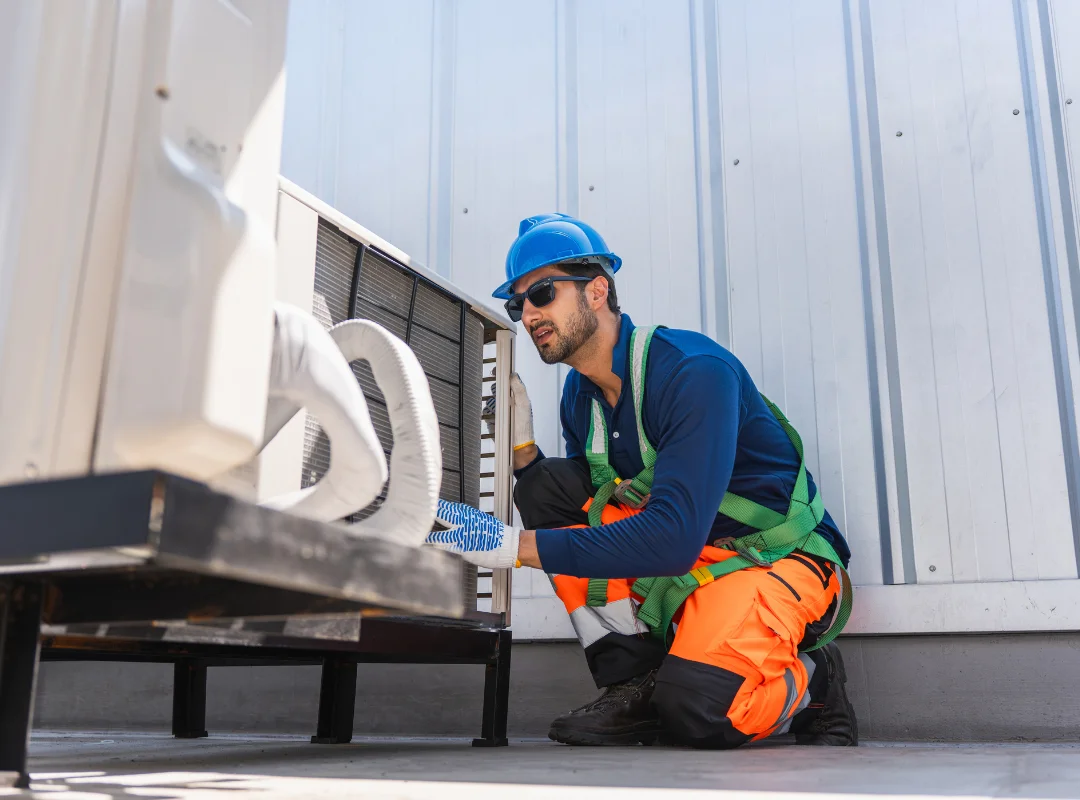
A well-maintained unit can also operate more reliably and maintain the indoor temperature. Since HVAC equipment is responsible for heating, cooling, and air circulation, its condition can also affect indoor air quality.
When Should Commercial HVAC Maintenance Be Scheduled?
The best maintenance schedule varies according to the:
- Equipment
- Building use
- Climate
- Manufacturer’s recommendations
Many commercial HVAC systems receive services twice a year, often before the main cooling and heating seasons. A building with equipment that operates nearly continuously may need more frequent inspections. Offices, Restaurants, retail facilities, warehouses, and other commercial buildings can have very different heating and cooling demands.
Seasonal scheduling also makes maintenance easier to organize. Cooling equipment can be inspected before high summer demand, while heating systems can be checked before colder weather arrives.
Regular service reduces the likelihood of discovering a major equipment problem during times when the system is working hardest.
What Does Commercial HVAC Maintenance Include?
HVAC maintenance in commercial buildings covers multiple inspection and service tasks. Technicians commonly inspect electrical connections, filters, motors, coils, controls, drainage, fans, and other equipment components.
Air filters are checked because clogged filters can restrict airflow. Replacing dirty filters provides proper air circulation and reduces strain on your thermal comfort system. The appropriate air filter type and replacement interval should follow the equipment manufacturer’s specifications.
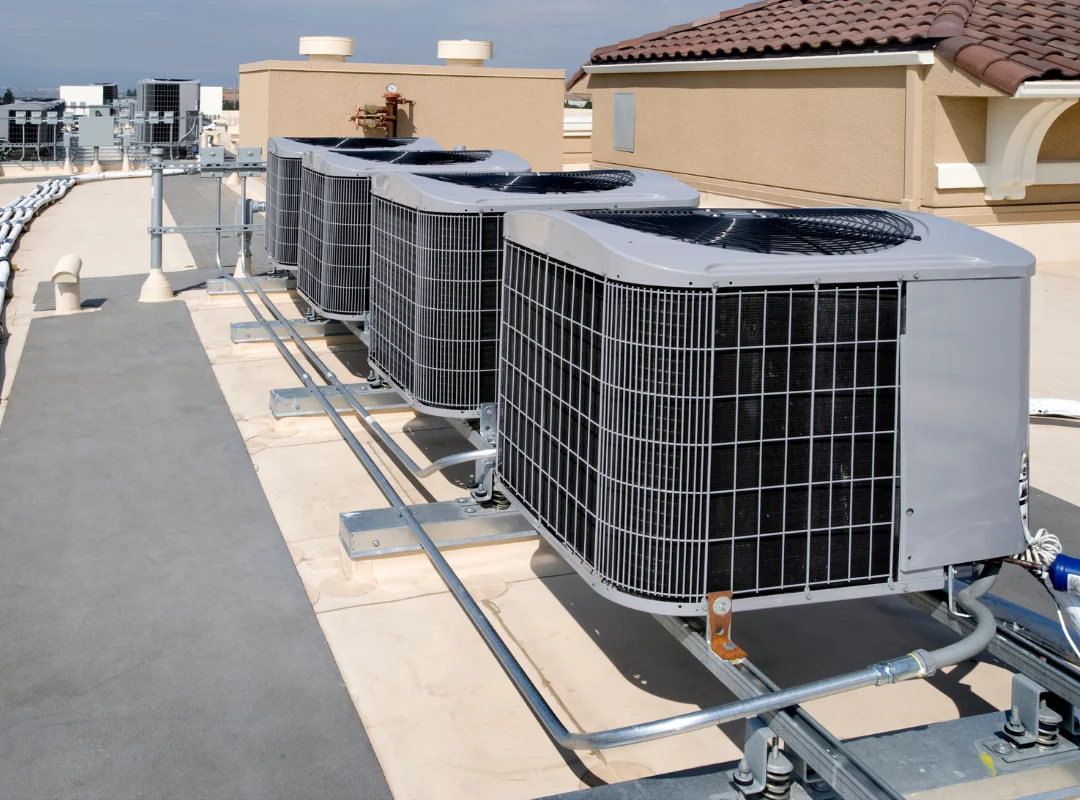
HVAC technicians may also inspect electrical components for signs of corrosion, damage, loose connections, or even abnormal wear. Electrical issues can affect your air handling and heating system operation and may create safety concerns if they are left unresolved.
How to Inspect Cooling Components & Condenser Coils
The cooling side of a rooftop system requires attention before the warmest months arrive. Technicians inspect refrigerant-related components, cooling components, fans, and coils as part of scheduled service.
Condenser coils collect debris and dirt from outdoor air. When coils become heavily contaminated, heat transfer can become more difficult, and the system may require more energy to provide the desired cooling.
How to Check Heating Systems & Heat Exchangers
Rooftop HVAC units that provide heating also require seasonal HVAC inspection. Heat exchangers are important components in many gas-fired heating systems and should be inspected for signs of damage or deterioration.
How to Inspect Electrical Connections & Blower Components
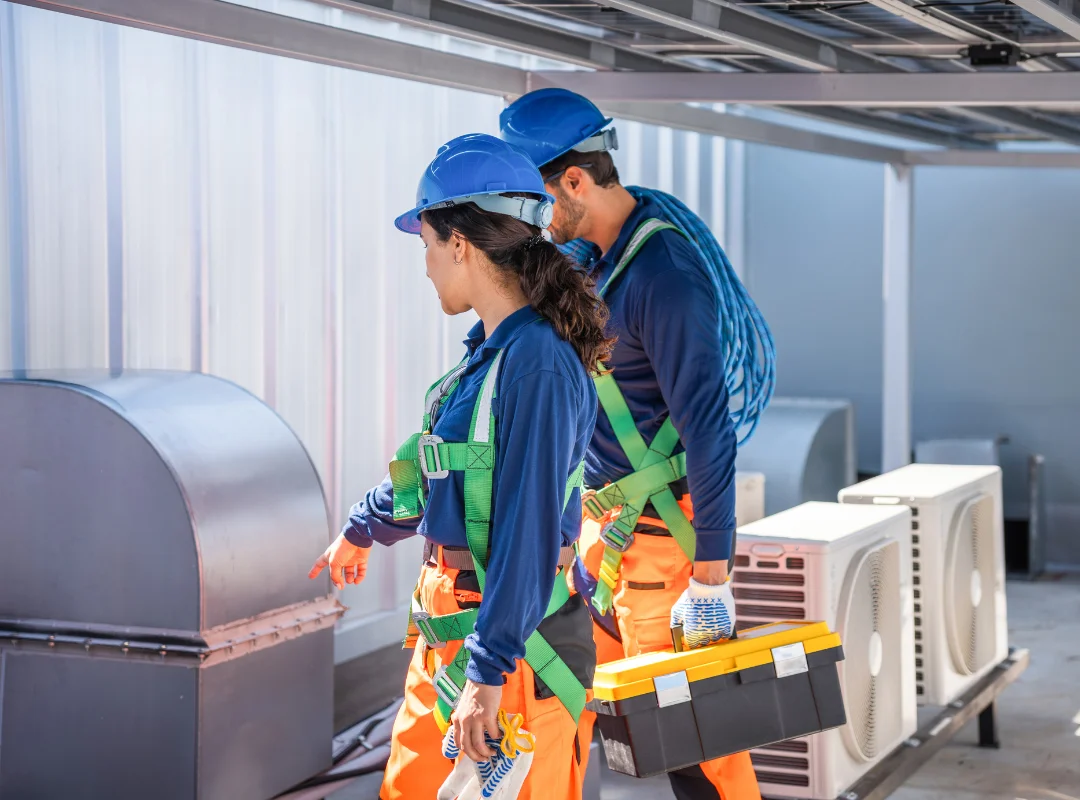
Rooftop equipment contains electrical wiring, contactors, capacitors, motors, controls, and other components that require proper inspection.
The HVAC technician can look for corrosion, loose connections, damaged wiring, and other signs of wear. Testing relevant components can also reveal electrical problems that may not be obvious during normal operation.
Inspect blower components as well because they move air through your HVAC system. Problems with motors, belts, bearings, or blower assemblies can affect airflow. Regular service can keep your heating and cooling system operating properly and maintain proper airflow throughout the building.
How Maintenance Affects Energy Efficiency
HVAC equipment accounts for a significant portion of energy use in many commercial buildings.
- Dirty coils
- Clogged air filters
- Restricted flow of air
- Malfunctioning components
All these can affect energy efficiency. Also, routine service does not guarantee a specific reduction in energy consumption. Maintaining clean coils, suitable filters, and properly operating components supports efficient operation of your HVAC system.
How Maintenance Can Extend Equipment Life
Regular inspections give HVAC technicians opportunities to identify worn components before they develop into larger equipment failures. This contributes to equipment life by keeping mechanical and electrical components in suitable operating condition.
The goal is not simply to keep an HVAC unit running. Proper maintenance also involves checking the condition of individual components and replacing parts when they reach the end of their useful service life.
How to Keep Rooftop HVAC Maintenance On Schedule
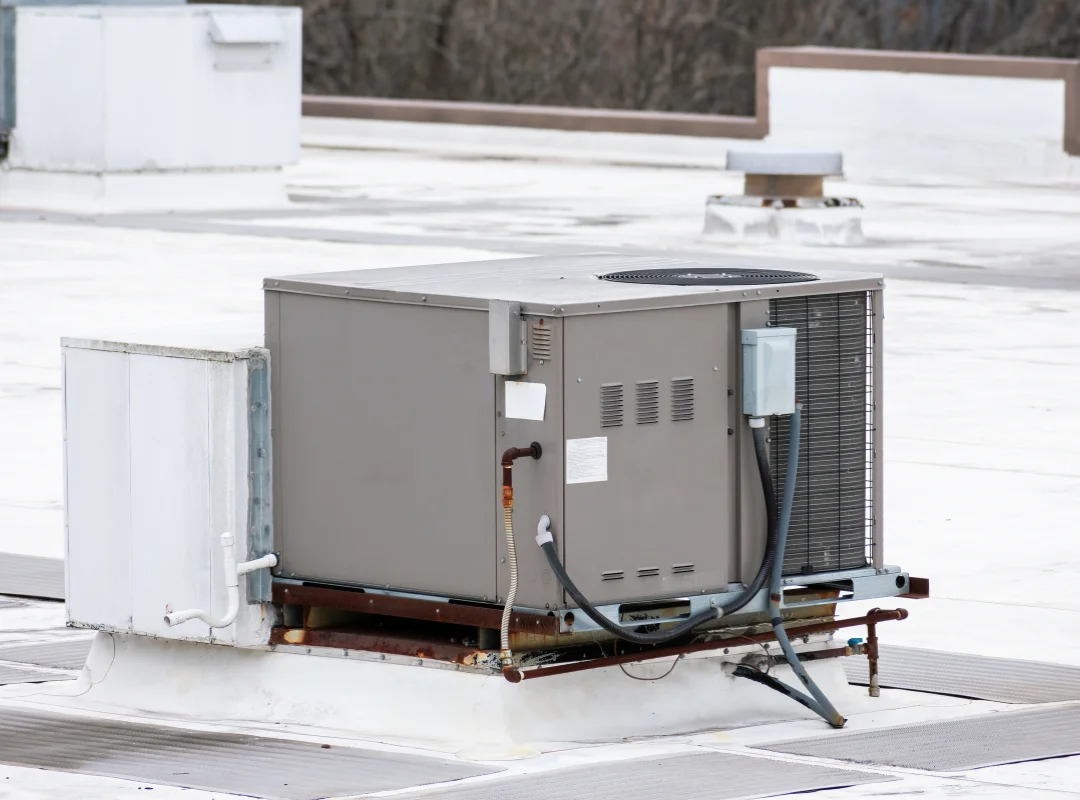
The best and simplest way to maintain a schedule is to record each inspection and establish the next service date before the current visit is completed. Facility managers coordinate HVAC service with seasonal changes, building calendars, and expected periods of high occupancy.
- Timely replacement of the filter
- Regular preventive maintenance
- Inspection of electrical components
- Condenser coils cleaning
- Checks of heating and cooling components
Conclusion
Knowing how to schedule rooftop HVAC unit maintenance starts with:
- Reviewing the manufacturer’s recommendations
- Checking service records
- Identifying seasonal needs
- Arranging inspections before periods of heavy heating or cooling use
Regular rooftop unit maintenance covers electrical connections, filters, coils, blower components, heating equipment, and other system components.
Green Street HVAC: HVAC Unit Preventative Maintenance
For residential and commercial properties that need HVAC service, call Green Street HVAC in Springfield, Tennessee, for HVAC services, HVAC preventative maintenance, AC installation, AC repair, smart home products, and more. Call us at 615-788-4329 to schedule services.