Covid-19 Response: Green Street is committed to protecting your health and safety. Learn More
What Causes an AC Unit to Blow Warm Air Instead of Cold?
Your AC system produces condensation that should be safely dispersed to the outdoors through a drainage line. However, if that drain line becomes clogged with dirt, algae, or ice, it can prevent your AC from working effectively and may even prevent your unit from operating altogether.
Multiple factors may be contributing to your AC emitting warm air, including improper thermostat settings, dirty or clogged air filters, frozen evaporator coils, low refrigerant levels, or electrical or mechanical problems.
Incorrect Thermostat Settings
Troubleshooting Setting
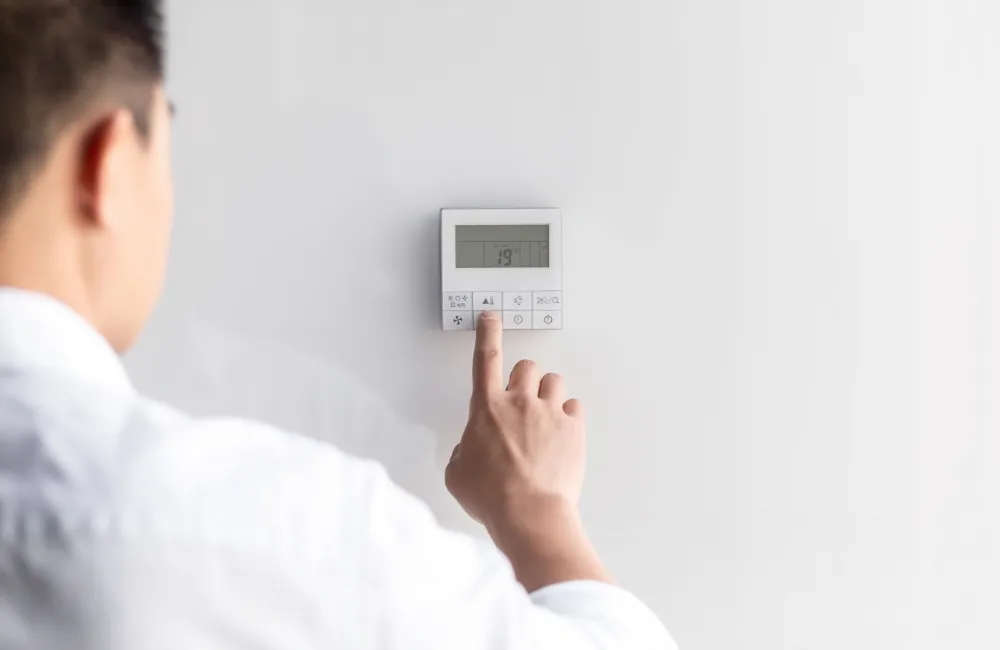
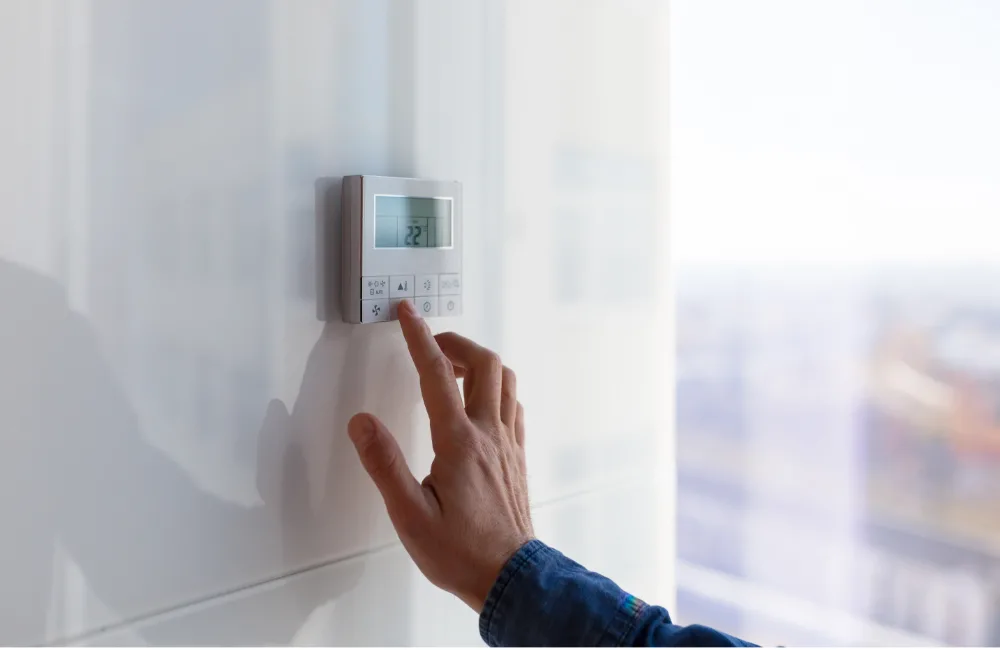
Checking your thermostat settings should be your initial step in troubleshooting. If you have a programmable thermostat, it may have accidentally been switched to another setting – an easy fix that should restore accurate temperature readings.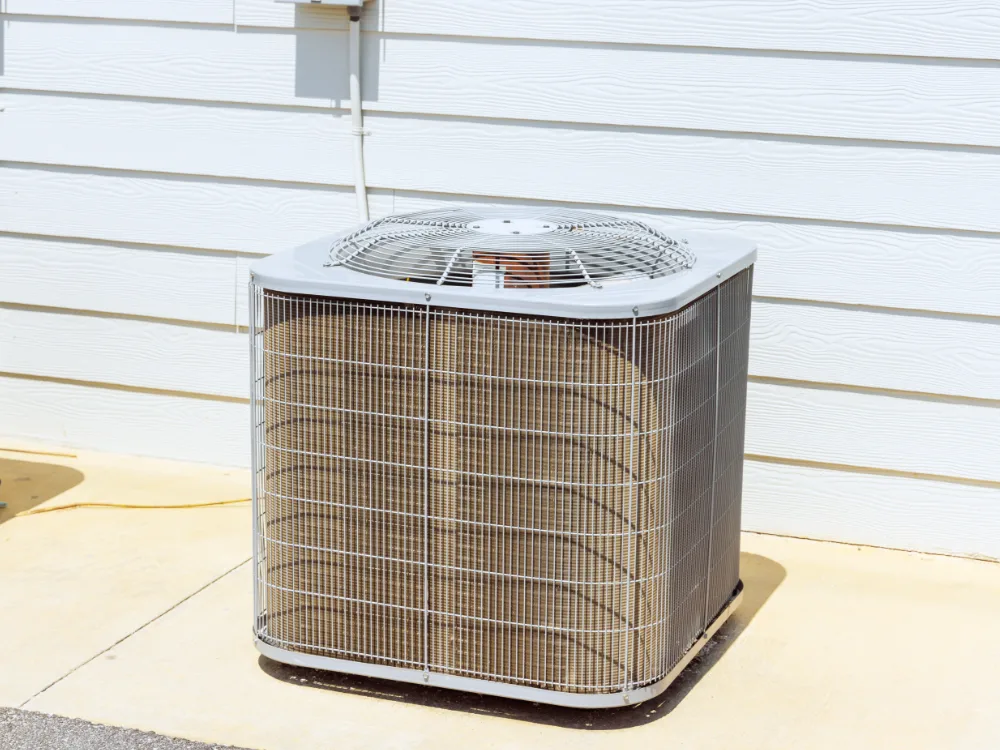
Sensor
Another possible issue could be that the thermostat’s sensor is dirty. Over time, dust, dirt, and lint may accumulate inside its cover, obscuring its sensors. Simply taking action by removing and cleaning off this cover with a soft brush could easily rectify this situation.Overloaded Circuit Breaker
If the thermostat is no longer responding as expected, its power could have been cut off by an overloaded circuit breaker that has tripped. To restore power, reset it or take other measures, such as disassembling and inspecting its wiring to check for damaged or loose connections.24 Hours a Day, 7 Days a Week.
Faulty Compressor
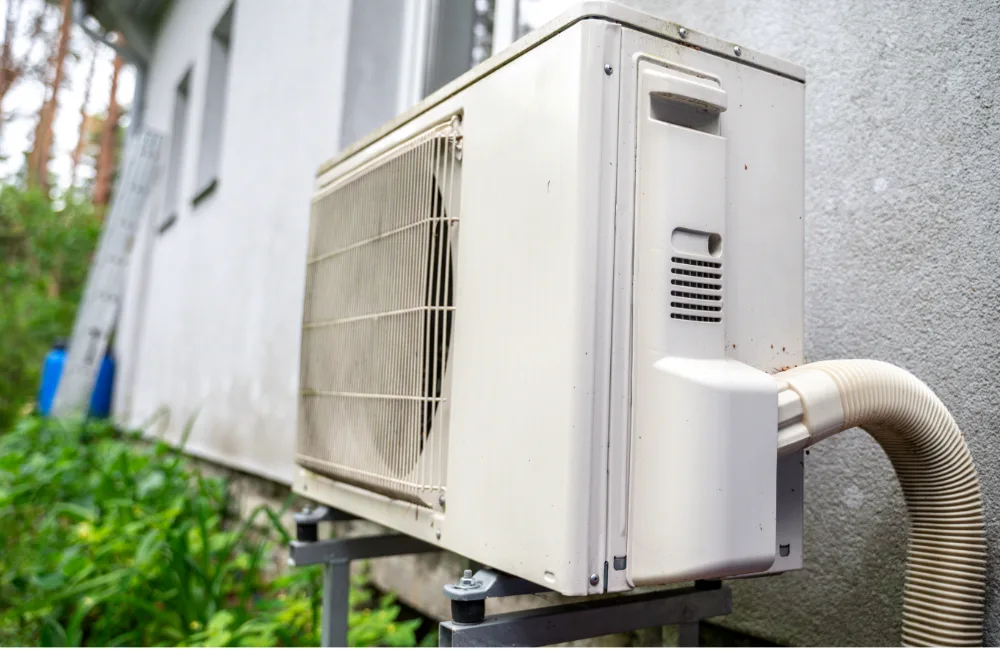
Compressors are integral parts of an air conditioning system. Their primary job is to convert refrigerant gas into a cool liquid that travels through an evaporator coil to deliver cold air throughout your home.
- If the compressor becomes compromised in any way, your AC will become inoperable and begin blowing warm air.
- Common signs of a failed compressor include loud or unusual noises, such as buzzing, rumbling, or rattling sounds.
- Should your AC start making any of these sounds, have it checked by an experienced professional immediately to prevent further issues.
Signs that your compressor may be failing include oily leakage. This could indicate a damaged seal in its center hub area. Furthermore, its surroundings must remain free from obstruction to allow proper functioning; at least two feet should remain “breathing room.”
Refrigerant Leak
Refrigerating agents such as Freon enable your AC unit to generate cool air. They circulate throughout the system, taking in heat from inside your home before dissipating it outside again. If the levels of refrigerant drop too low, the cooling unit won’t produce cool air, and it may fail.
Hissing noises may indicate your air conditioner has too little refrigerant. These noises result from liquid refrigerant escaping through leaks or cracks in its line sets. This creates pressure that forces liquid refrigerant out through leaks or cracks, causing it to evaporate quickly.
Dirty Air Filter
Your air filter may do an admirable job of protecting both the inside of your AC unit and home from dust and dirt, but it’s far from foolproof. Over time, a dirty filter restricts airflow over its evaporator coils, stopping them from producing cold air that flows through your vents.
Dirty air filters also reduce your AC’s efficiency and could increase repair bills. So, replacing or cleaning air filters and scheduling routine maintenance with an HVAC specialist are two effective strategies for mitigating this risk.
Duct Leaks
Duct leaks are one of the primary causes of AC blowing warm air instead of cold. They often occur when ductwork has been improperly installed or is damaged, allowing conditioned air to escape while unconditioned air enters, thereby decreasing HVAC efficiency and indoor comfort.
- Various signs indicate the existence of duct leaks, including rising utility bills, whistling sounds, or cold spots on walls.
2. Another indicator may include musty smells in your home and the presence of rodents, such as rats, mice, squirrels, and raccoons, which can also lead to leakage issues in the ductwork.
LOOKING TO REPAIR, REPLACE OR UPGRADE?
Our experts can walk you through every step of the way, from prospected which tailored solution would be best for you, to installing and maintaing it…
4. They have various methods available to them for finding even the most hidden leaks, such as smoke tests and pressure tests.
Conclusion
When your AC blows hot air, it’s a warning sign that something is not right. Allowing the problem to linger can lead to bigger headaches, such as system failure or sky-high energy bills. Regular maintenance and quick troubleshooting go a long way, but some issues require a professional touch to address the root cause effectively.
Get Cool Again—Call Green Street HVAC for Fast AC Repair
If your air conditioner is pushing out warm air instead of cooling you down, it’s time to call in the experts. At Green Street HVAC, we’re committed to diagnosing the problem quickly and restoring your comfort without the runaround.
Our experienced technicians provide honest repairs, efficient service, and reliable solutions that last. Don’t suffer through the heat—schedule your AC repair with Green Street HVAC today and get the cool air you deserve.
Proud To Be Your No. 1 HVAC Company

Quality
From the way we insulate our ductwork, to the running of the copper refrigeration pipe – our quality is like no other. We spend as much time as we need to insure that our jobs are done perfect. When choosing Green Street you know the job will be done right – on time – and always within your budget.

All Makes & Models
Green Street’s certified technicians are experienced and trained to service, maintain, install and repair all makes and models of commercial air conditioning & heating equipment.

Expertly Trained
Each one of our lead technicians have years of experience in all aspects of HVAC service in Nashville. It is mandatory for each technician to complete a full in house training calendar to insure that they are up to date on the latest residential air conditioning & heating equipment.
24 Hours a Day, 7 Days a Week.