How to Prepare for Air Duct Cleaning
Preparing for air duct cleaning means clearing access to vents, moving furniture away from registers and the HVAC unit, and setting aside a few hours so HVAC technicians can move through your home without any obstruction. Learn more.
What Happens During the Air Duct Cleaning Process
Air ducts carry conditioned air through nearly every room, which also means they collect pet dander, dust, and other air pollutants as air moves back and forth through your entire HVAC system. Over months, this buildup can settle into the duct system and get pulled back into your living space every time the cooling system kicks on.
Duct cleaning services generally use a method called “source removal”, where technicians physically extract dust and debris from inside the ductwork rather than just spraying deodorizers or chemicals into the vents. Source removal is considered the standard for ductwork cleaning because it pulls contaminants out of your duct system instead of masking them.
Duct cleaning teams use a truck-mounted or portable vacuum that creates continuous negative pressure (inside the ductwork). This negative pressure keeps loosened particles and dust from escaping back into your rooms in the middle of the cleaning.
While the vacuum holds that pressure, technicians use tools like “air whips” and “compressed air nozzles” to dislodge dust that is stuck to the interior walls of the ducts, sending it toward the vacuum collection point.
This combination of negative pressure and agitation tools is what separates real duct cleaning services from a surface-level wipe-down. The compressed air nozzles knock loose material free, and the vacuum system carries it out through the duct system. Technicians generally work section by section, moving from supply and return vents through to the main trunk lines.
How to Prepare for Air Duct Cleaning
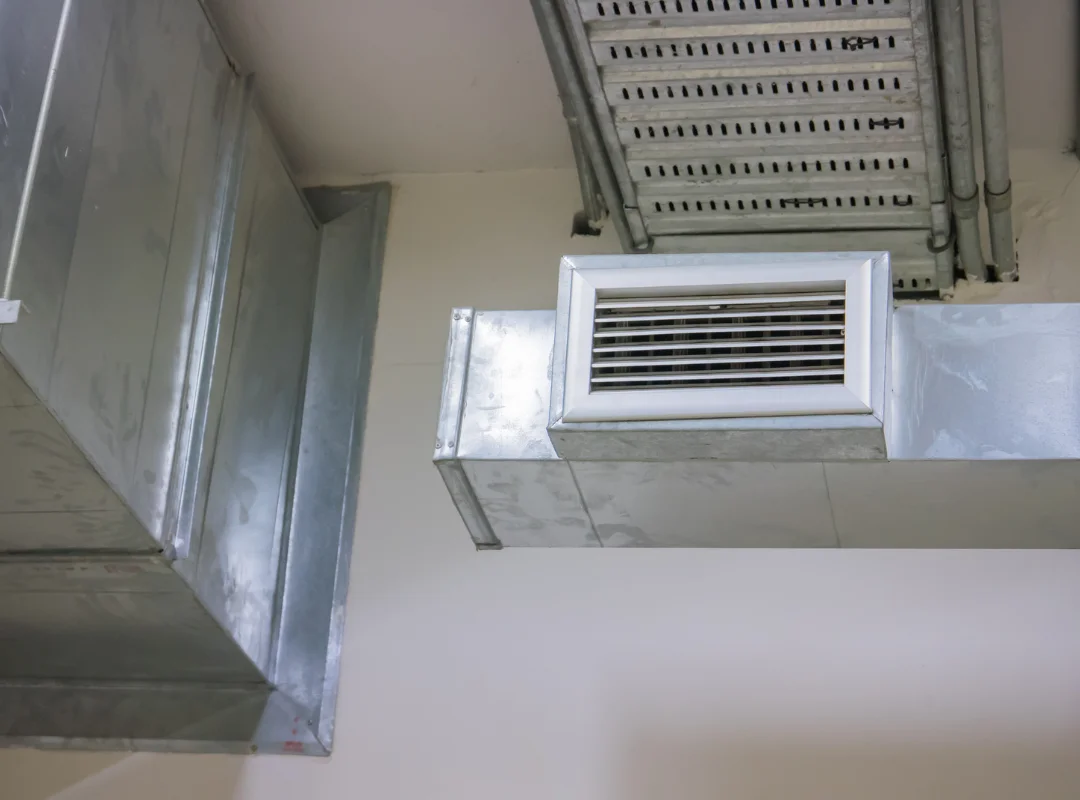
Start by clearing a space around every vent cover in your house. Move rugs, toys, furniture, and decor off floor registers and away from wall vents first. Walk through each room and pull furniture a few feet back to save time when technicians arrive.
Moving furniture away from utility rooms or larger equipment closets matters too, since that’s usually where the HVAC unit and main trunk lines sit. A crew working around a cramped closet full of stored items will move slower than one with open access to the HVAC system components.
It also helps to walk through the house and note which rooms have vents you rarely think about, such as bathrooms, closets, or a basement. These are part of the entire HVAC system and mostly get skipped in daily cleaning. Clearing paths to them means the air duct cleaning team won’t miss sections of the duct system that still need attention.
Check your air filter before the appointment, and have a replacement ready, since a fresh filter after cleaning ducts keeps loosened particles that remain in the airflow from collecting again.
Ductwork cleaning in an average single-family home is a complex process that can take a few hours depending on:
- Number of vents
- Layout of the duct system
- How accessible the HVAC unit is
What Are the Signs Your Air Ducts Need Cleaning
Poor indoor air quality shows up in multiple ways that are easy to link back to dusty ductwork once you know what to look for. These are common signs that dust has built up somewhere inside the duct system.
- Dust that resettles on furniture within a day or two of cleaning
- Musty smells when the cooling system or heat turns on
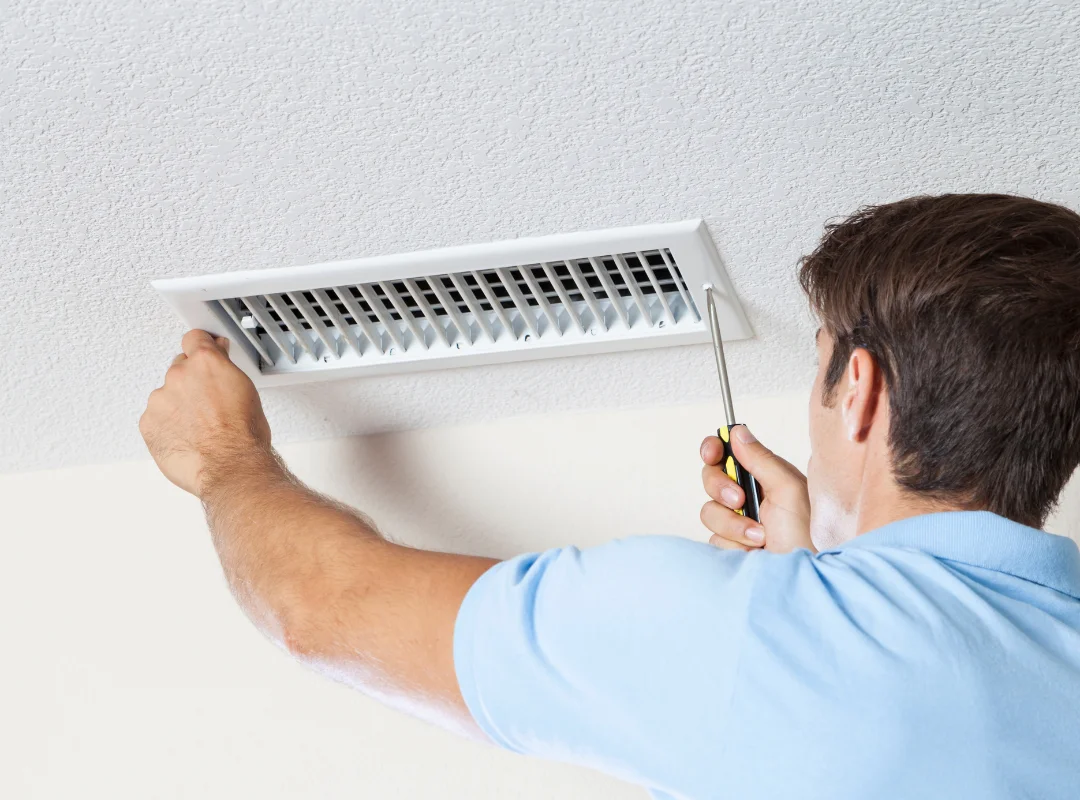
- Visible dust blowing out of vents
Household members with allergies or respiratory sensitivity may notice more sneezing or irritation indoors than outdoors, which points to very fine particles circulating through the HVAC system. These fine particles are small enough to bypass a standard air filter and get redistributed through your entire HVAC system every time it runs.
A visible layer of debris or dust around supply and return vent covers, or on the air ducts or coils (if you can see them near the unit), is another sign worth a closer look. Since the ductwork connects to nearly every corner of your house, buildup in one section tends to affect air pollutant levels throughout the whole living space.
What Technicians Do When They Arrive
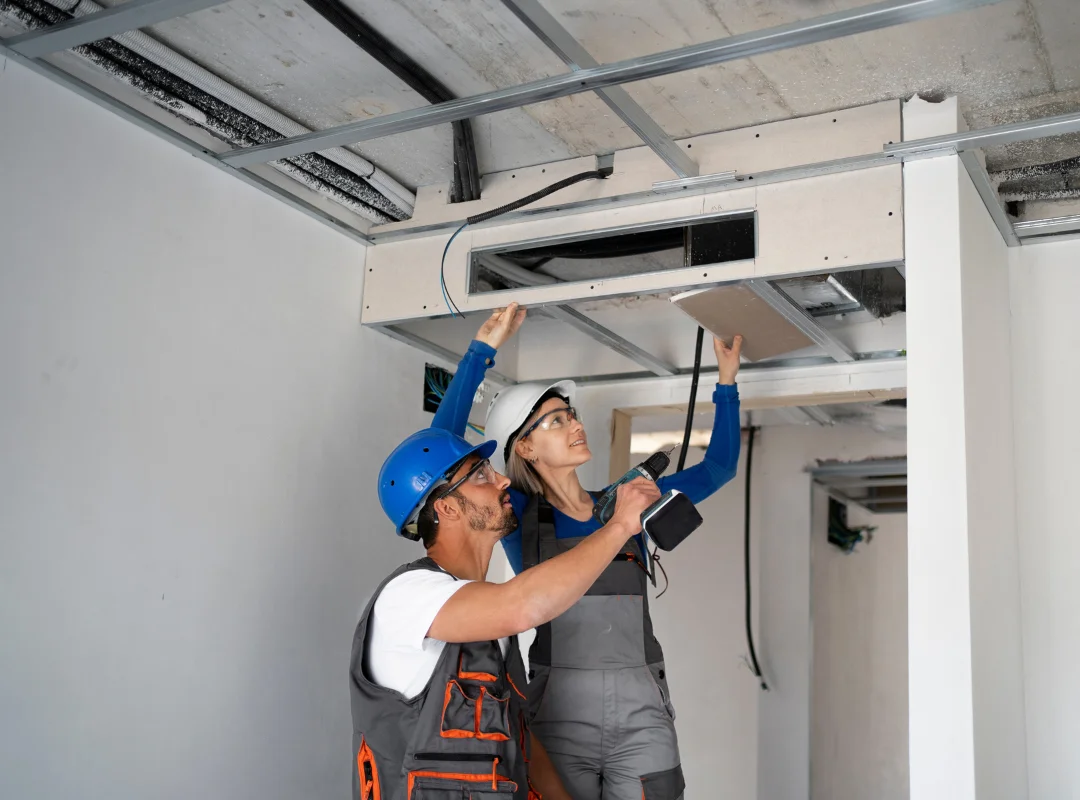
When HVAC technicians arrive, they usually start with:
- Checking access points
- An inspection of the duct system
- Condition of the air ducts and coils
- General layout before setting up equipment
From there, they connect the vacuum system to establish continuous negative pressure, remove vent covers throughout the house, and begin working section by section using compressed air nozzles.
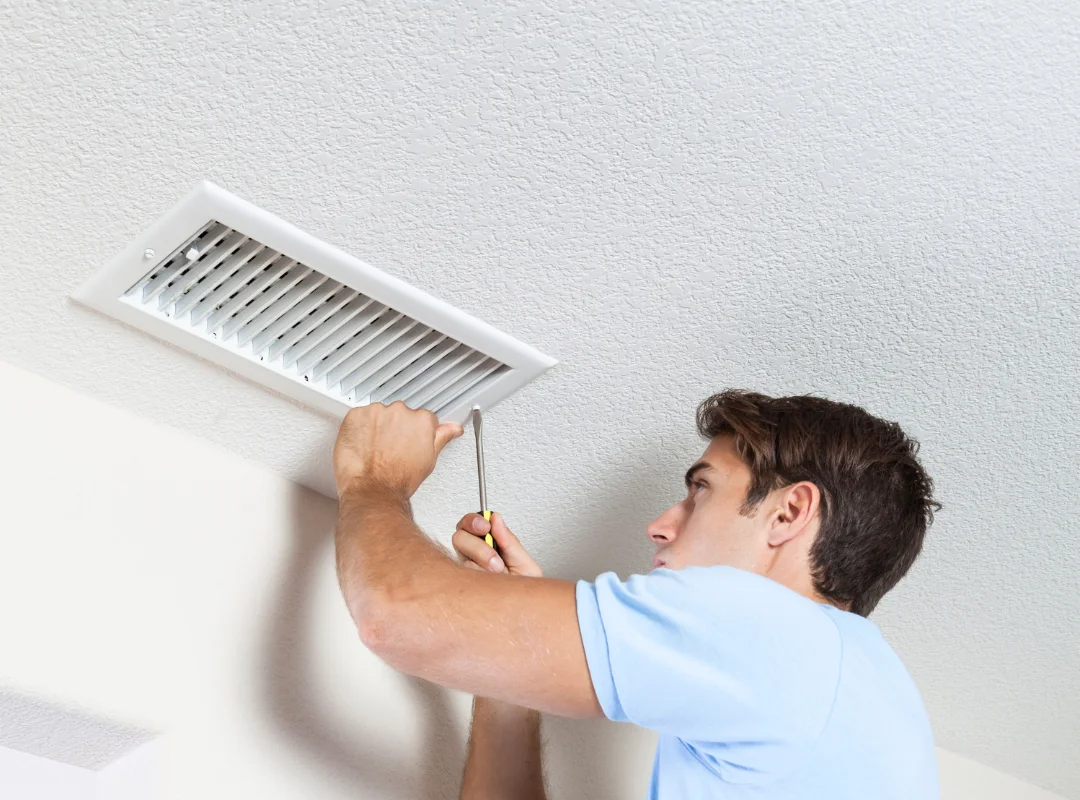
Because ductwork cleaning touches the entire system, technicians usually finish by replacing vent covers, checking that everything is reattached correctly, and walking through what they found, including the state of the air filter and any areas of the duct system that showed heavier buildup.
Conclusion
Preparing ahead of time by clearing your rooms, moving furniture, and having a fresh air filter on hand means this entire visit moves without unnecessary delays. Clean ductwork paired with routine attention to the HVAC system is one of the more direct ways to keep dust and air pollutants from building back up between visits.
Green Street HVAC: Air Duct Cleaning
If your home is due for duct cleaning or you’re noticing dust and odd smells whenever the system runs, Green Street HVAC offers Duct Cleaning, Ductwork Repair, Dryer Vent Cleaning Services, and Aeroseal Ductwork Sealing for homes with buildup throughout the duct system. Air duct cleaning with routine HVAC Maintenance keeps the HVAC system running the way it should between visits. Call our air duct cleaning team to schedule a look at your ductwork.
Frequently Asked Questions
Q. How do I prepare my house for duct cleaning?
Q. What are the signs of dirty air ducts?
Q. What is the best method for air duct cleaning?
A: “Source removal” using continuous negative pressure combined with air whips and compressed air nozzles is the standard method, since it physically pulls dust out of the ductwork.