Does Air Duct Cleaning Help With Allergies?
Air duct cleaning can help reduce allergies by reducing dust, pet dander, mold spores, and other particles within the duct system. However, it is no cure for allergies. Air duct cleaning is most beneficial when the ducts are dirty, contain debris, or have visible mold growth that could circulate throughout the home. Let’s take a closer look.
Air Duct Cleaning & Allergies
The connection between air duct cleaning and allergies comes down to what is present inside your air ducts. HVAC systems move air through supply and return ducts. If these areas contain accumulated dust, pet dander, or airborne particles, some of that material can enter the air inside your home when the system operates.
Cleaning contaminated ducts can remove some of these materials from the ductwork. This reduces the amount of particulate matter circulating through your home, particularly when the duct system has significant buildup. However, symptoms of allergy can have many sources, including carpets, bedding, pets, curtains, outdoor air, and household surfaces.
For this reason, professional air duct cleaning must be viewed as one part of maintaining cleaner indoor air, rather than a treatment for allergies themselves.
How Dirty Air Ducts Affect Indoor Air Quality
Dirty air ducts contain dust and other particles collected as air moves through the HVAC system. Dust can contain skin particles, pet dander, fibers, and other airborne debris. When the system turns on, some particles may become airborne again.
Can Air Duct Cleaning Remove Allergens?
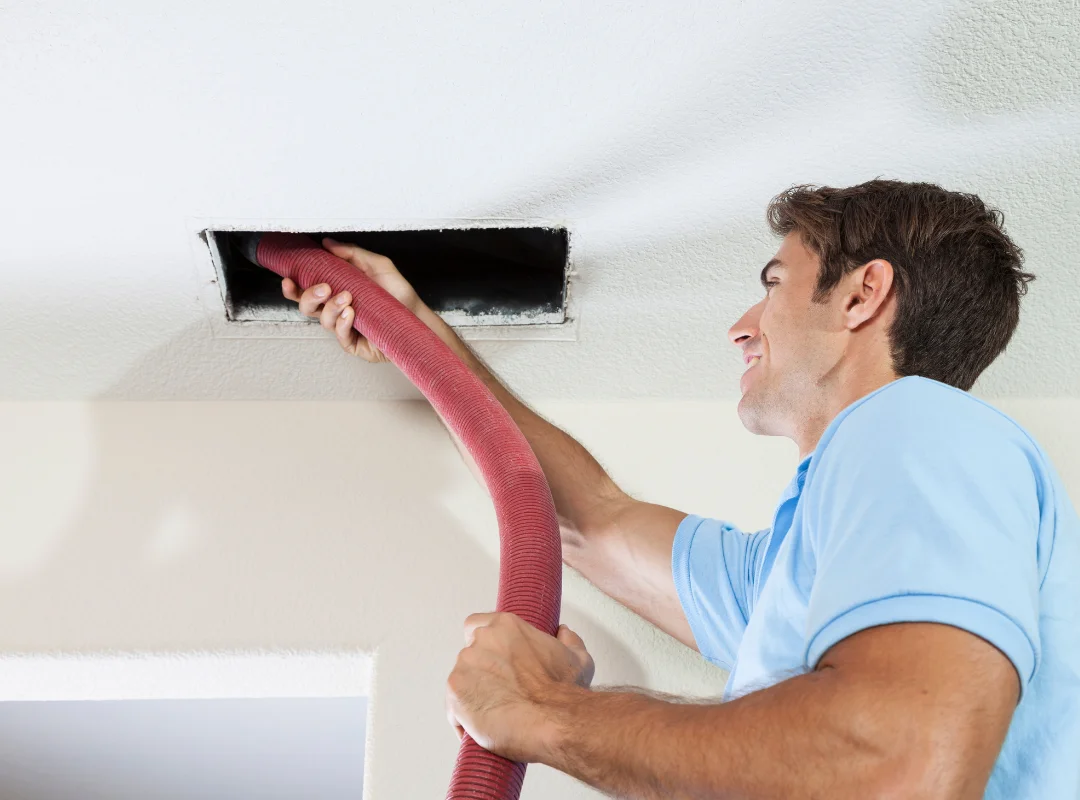
Duct cleaning removes accumulated dust and debris from accessible portions of the ductwork. Depending on the condition of the system, cleaning may also remove dust particles, pet dander, and other airborne irritants that have collected inside the ducts.
However, cleaning the ducts does not remove every allergen from a home. Dust mites, for example, are commonly found in carpets, bedding, mattresses, and upholstered furniture. Removing dust from an air duct does not eliminate these other sources.
What About Mold Spores In Air Ducts?
Mold is one situation where inspection and cleaning may be particularly important. Moisture inside an HVAC system or ductwork can create conditions where mold growth develops. If mold spores become airborne, they may circulate through the home when your HVAC system operates.
A small amount of suspected mold should not automatically be considered a major contamination problem. Visible mold growth inside ducts, however, warrants inspection to know its source and extent.
If there is substantial mold growth, simply cleaning the visible area is not enough. The source of moisture also needs attention because persistent moisture can contribute to additional growth.
Mold can develop around drain components, cooling coils, insulation, or other system components (when moisture is present). An inspection can determine which parts of the entire HVAC system require attention.
What Role Does HEPA Filtration Play?
HEPA filtration can capture very small airborne particles and is commonly used in air purifiers and some filtration equipment. A HEPA filter can be useful for reducing certain airborne particles when the equipment is designed to accommodate that type of filtration.
An air purifier can provide filtration of additional particles in your living spaces, but it does not replace cleaning contaminated ductwork. Similarly, duct cleaning does not replace regular air filter changes or proper HVAC operation.
If you or someone in your home is experiencing serious allergic reactions, combining the right filtration with regular household cleaning can reduce exposure to some airborne particles. The best air filtration setup varies according to your HVAC equipment and the specific air quality concerns in your home.
When Should You Consider Professional Air Duct Cleaning?
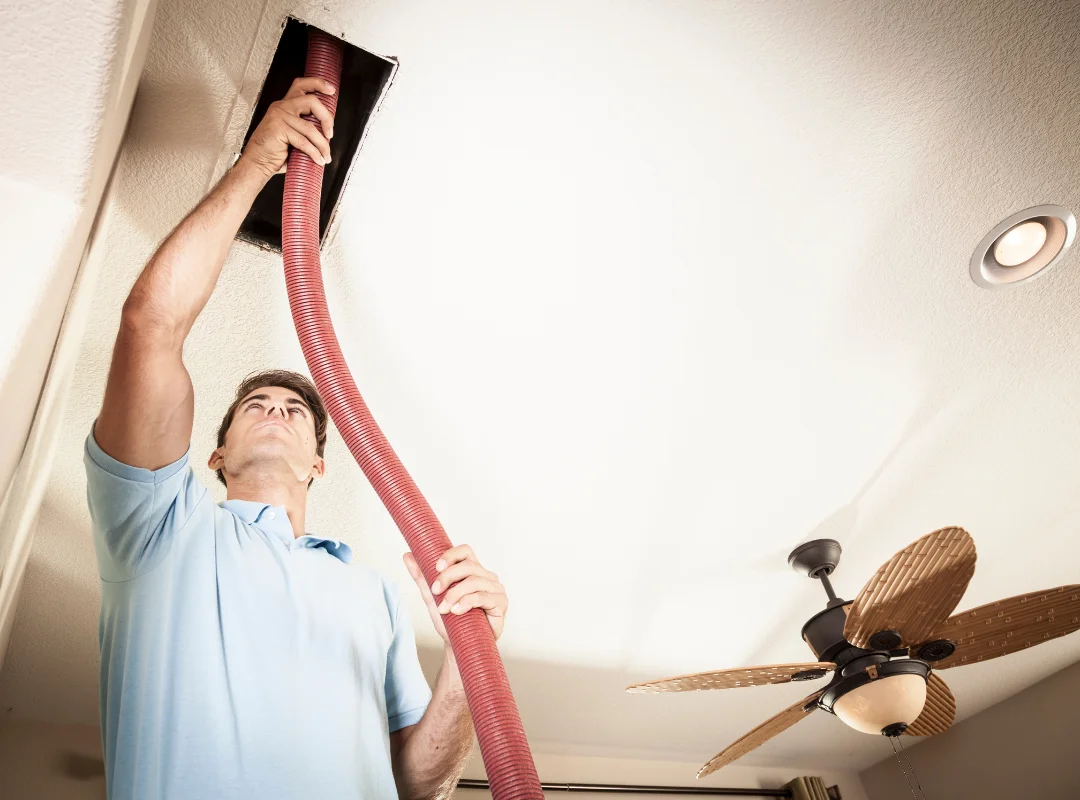
Professional air duct cleaning is worth considering when there is substantial visible debris inside the ductwork, evidence of contamination, or suspected mold growth associated with your HVAC system. You may also consider it after certain renovation projects when construction dust has entered the duct system.
Professionals can inspect the condition of the supply and return air ducts, along with accessible components of your HVAC equipment. This is important because cleaning only one section of your ductwork may not remove contamination elsewhere in the system.
The condition of these components can also influence indoor air cleanliness.
- Cooling coils
- Blower area
- Drain components
- Other system components
A thorough inspection is needed, as it can identify areas that require cleaning rather than assuming every part of the system needs the same treatment.
Can Air Duct Cleaning Cure Allergy Symptoms?
Air duct cleaning cannot cure allergies or guarantee that allergy symptoms will disappear. Allergies are reactions to specific substances, and those substances may come from many areas of the home.
For example, if someone in your home is sensitive to pet dander, they may still experience symptoms after duct cleaning if allergens remain on flooring or furniture. If someone is sensitive to dust mites, they may need to focus on bedding and upholstered surfaces rather than relying on duct cleaning alone.
What Actually Happens During Air Duct Cleaning?
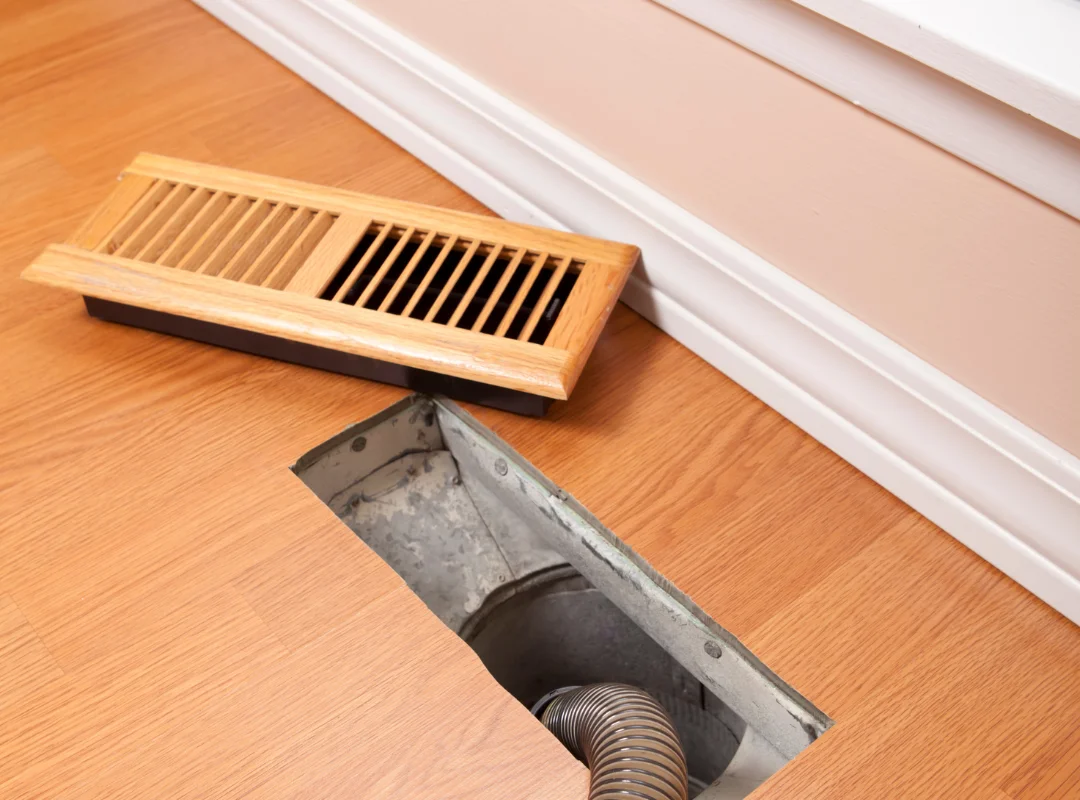
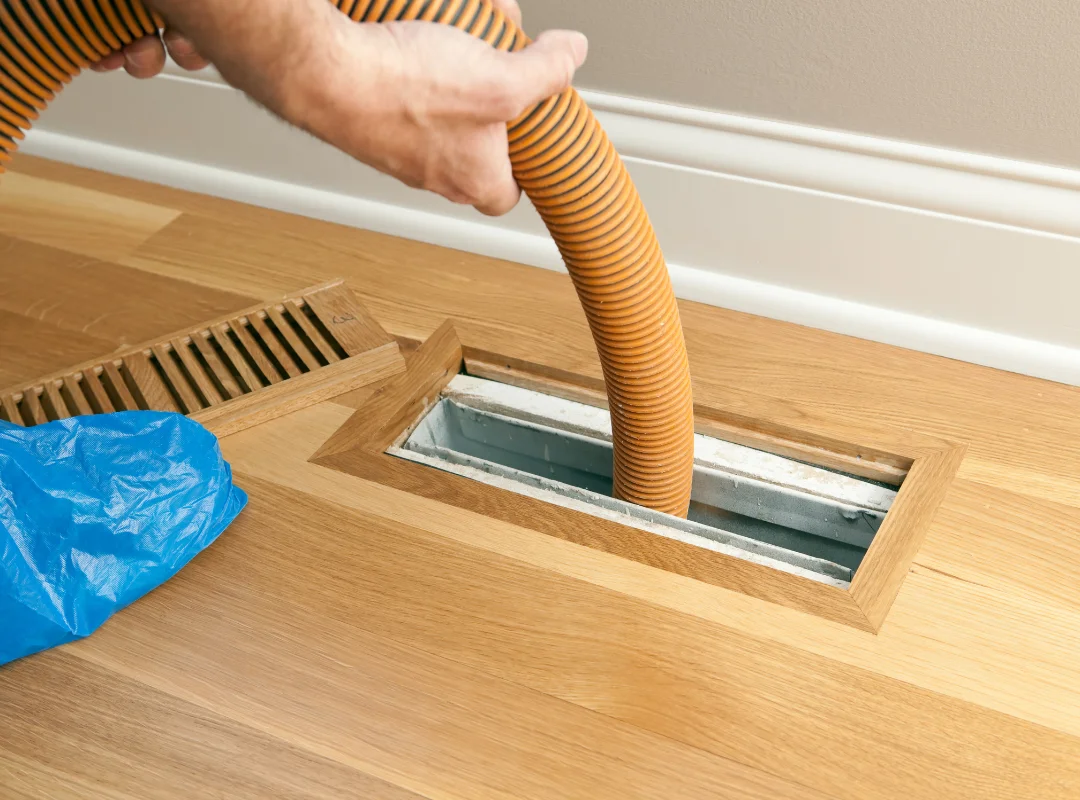
During proper cleaning, technicians inspect accessible parts of the duct system before removing debris. Depending on the system, cleaning may involve:
- Supply ducts
- Return air ducts
- Registers
- Grilles
The condition of your HVAC equipment should also be considered. Dust or debris around certain components can affect the cleanliness of the air moving through the system. Cleaning methods should be suitable for the type of ductwork and HVAC equipment installed in your home.
Other Ways to Improve Indoor Air Quality
Keeping the air filter of your home clean is one of the simplest parts of routine HVAC care. Filters should be checked as per the manufacturer’s recommendations and replaced regularly.
Regular household cleaning also reduces dust buildup. Vacuuming carpets and upholstery, washing bedding regularly, and cleaning surfaces can reduce the amount of particulate matter available to circulate indoors.
Controlling excess moisture is also important when mold spores are a concern. Inspect moist areas around HVAC equipment, bathrooms, and other parts of the home so moisture doesn’t go unnoticed.
Conclusion
Air duct cleaning helps with allergies when you reduce accumulated dust, pet dander, mold spores, and other particles inside contaminated air ducts, which may contribute to cleaner indoor air. However, it is not an allergy treatment and cannot remove allergens from every part of your home.
- Regular filter changes
- Household cleaning
- Moisture control
- Suitable filtration
All of these can also improve air quality.
Call Green Street HVAC for Air Filter Cleaning & More
For HVAC-related duct concerns, call Green Street HVAC for Duct Cleaning, HVAC Maintenance, Ductwork Repair, and HVAC Preventive Maintenance services. Call us at (615) 788-4329 to schedule service.