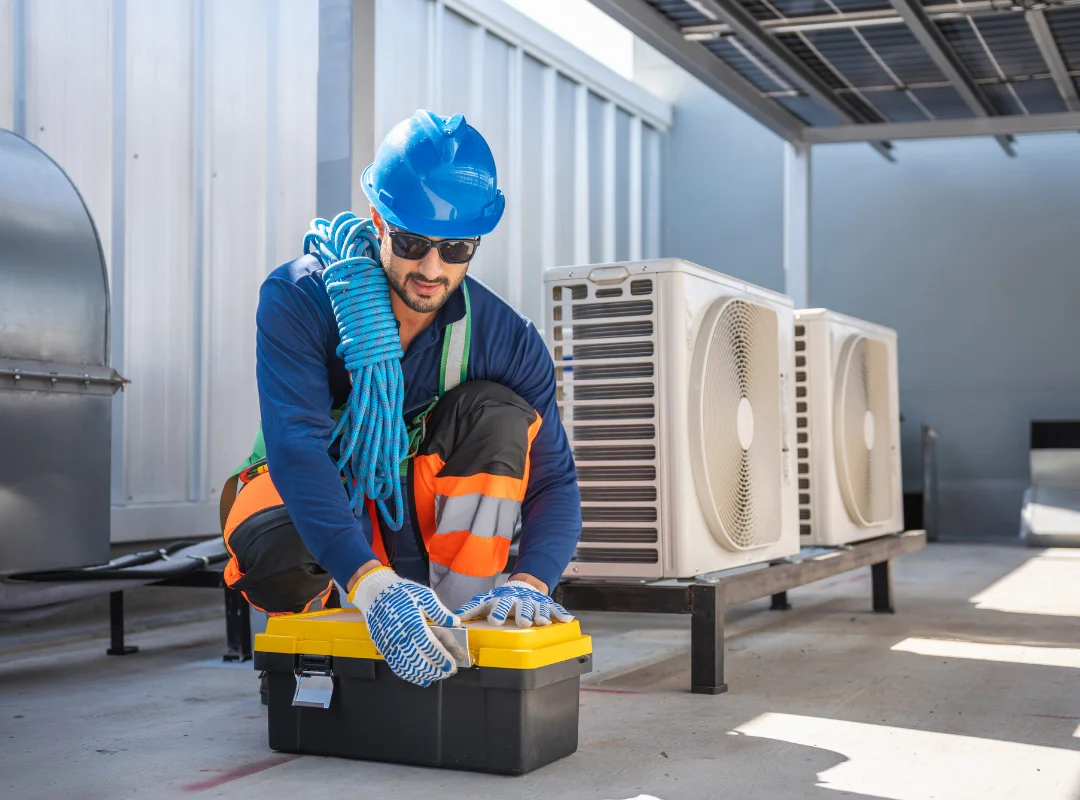
What Does the Evaporator Do in an Air Conditioner
The evaporator coil is the part of your air conditioning system that turns warm indoor air into cool, comfortable air. As cold refrigerant moves through the coil, it pulls heat and moisture out of the air passing over it, and that same air gets pushed back into your home through the air handler. Without this coil, your air conditioner would only circulate air, not cool it.
Recent Trends in Summer HVAC System Failures
Recent HVAC industry data shows that coil-related failures remain among the top reasons homeowners call for repairs each summer. Manufacturers have been shifting toward coils designed for newer, more sustainable refrigerants like R-454B as older R-410A units are phased out. This shift means that many homeowners replacing an evaporator coil today are also upgrading to systems for these newer refrigerant types.
Green Street HVAC has noted that coil corrosion and formicary damage are occurring more often in humid climates, prompting manufacturers to use coated aluminum coils that resist small leaks better than older copper designs.
What Does the Evaporator Do in an Air Conditioner
At its core, the evaporator coil acts as a heat exchanger. Inside your air conditioning unit, the coil holds liquid refrigerant at low pressure and low temperature. As indoor air blows across the coil’s fins, the refrigerant absorbs heat from that air and changes from a liquid into a low-pressure gas. This is the basic cooling process that every central air system relies on, no matter the brand or size of the unit. You can read more on what an AC evaporator is to see how this single part supports the whole cooling cycle.
Where the Evaporator Coil is Located in Your AC System
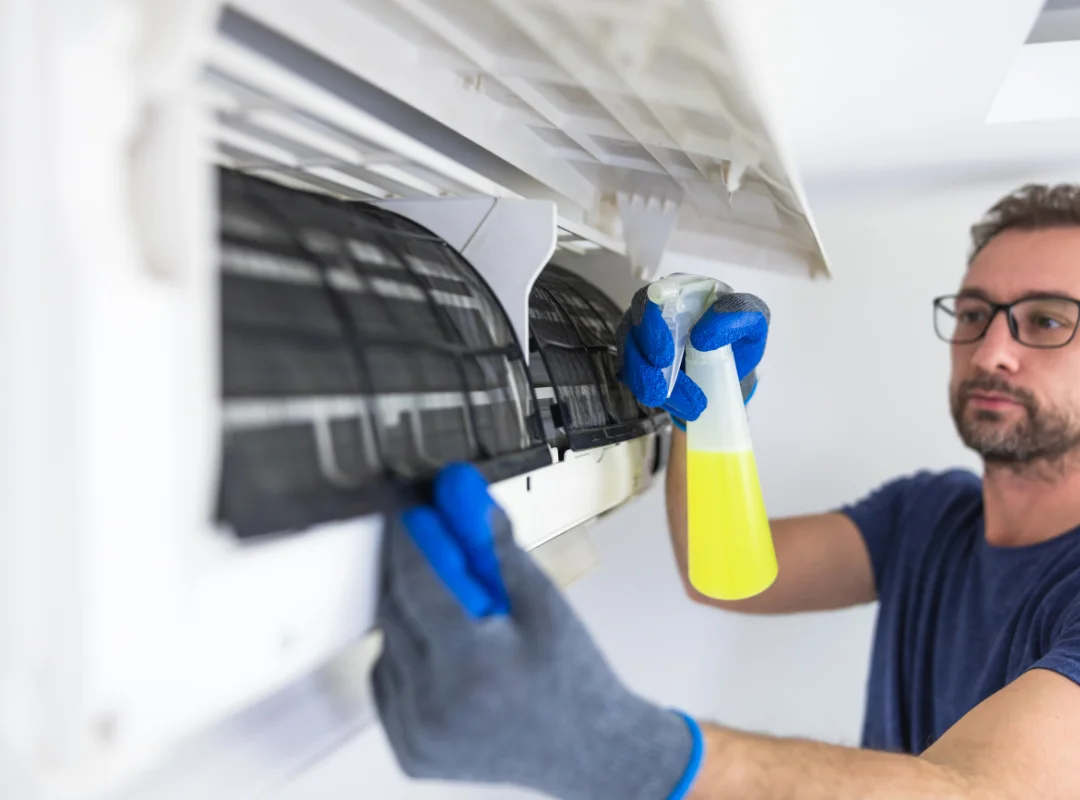
The evaporator coil is located inside the air handler or the top portion of a furnace cabinet, usually positioned right above or beside the blower fan. This placement means all the warm air returning from your rooms passes directly across the coil before it gets sent back out through the ducts. In a heat pump system, the same coil can also operate in reverse during winter, moving heat rather than pulling it out. This is one reason heat pump owners get value from both heating and cooling seasons through the same set of coils.
How Evaporator Coils Absorb Heat
Evaporator coils absorb heat through a fairly simple physical process. Refrigerant enters the coil as a cool, low-pressure liquid. As warm indoor air passes over the coil, heat transfers from the air into the refrigerant. This causes it to boil and turn into a gaseous refrigerant. This gas then travels through copper lines to the outdoor unit, where the condenser coil removes the collected heat and releases it outside. The heat absorption process repeats nonstop while your AC system runs, forming a continuous loop between the outdoor and indoor coils.
Curious about coil temperature ranges and why some systems freeze up? This piece on evaporator coil temperatures in ACs breaks down the numbers technicians look for during a service call.
Why the Evaporator Coil Plays Such a Big Role in Comfort
The evaporator coil plays a bigger role in your comfort than you realize. Beyond just cooling the air, it also pulls moisture out of your home, which is why indoor spaces feel less sticky once the air cooling system kicks on. A coil that’s working properly keeps indoor air crisp rather than damp. If levels of humidity stay high even with the AC running, it’s generally a sign the coil isn’t pulling enough heat and moisture from the air anymore, and a technician should take a look at the hvac system as a whole.
Signs of a Dirty Evaporator Coil
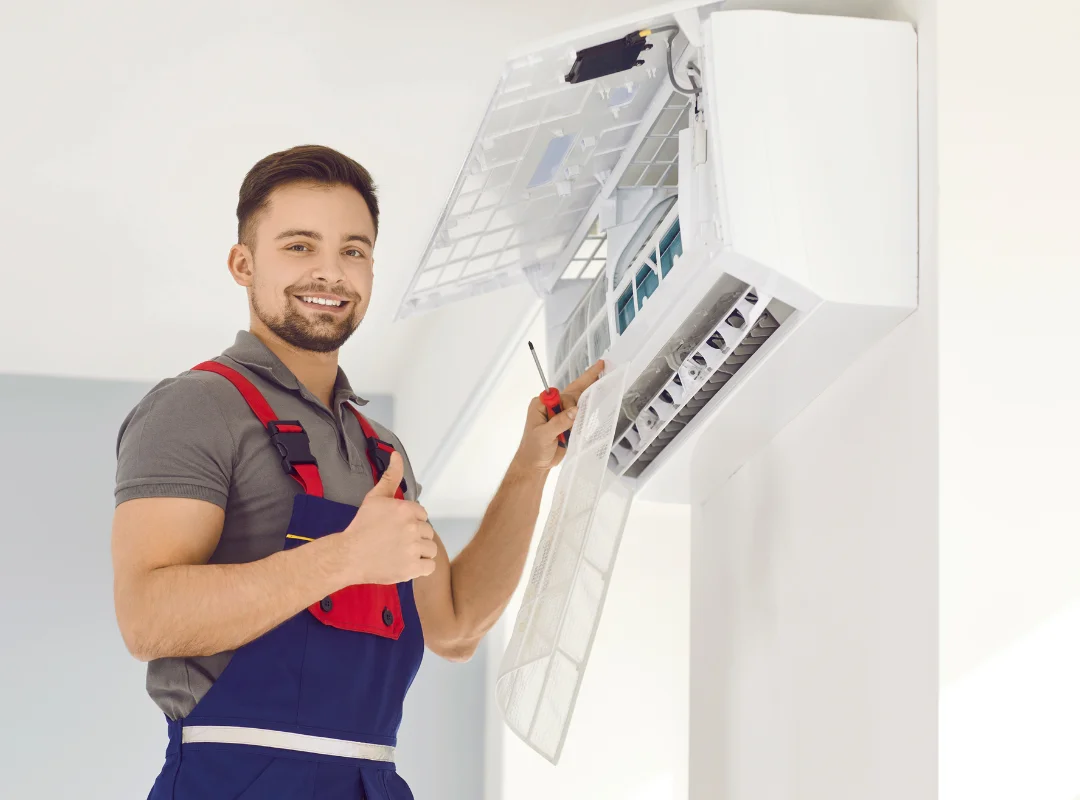
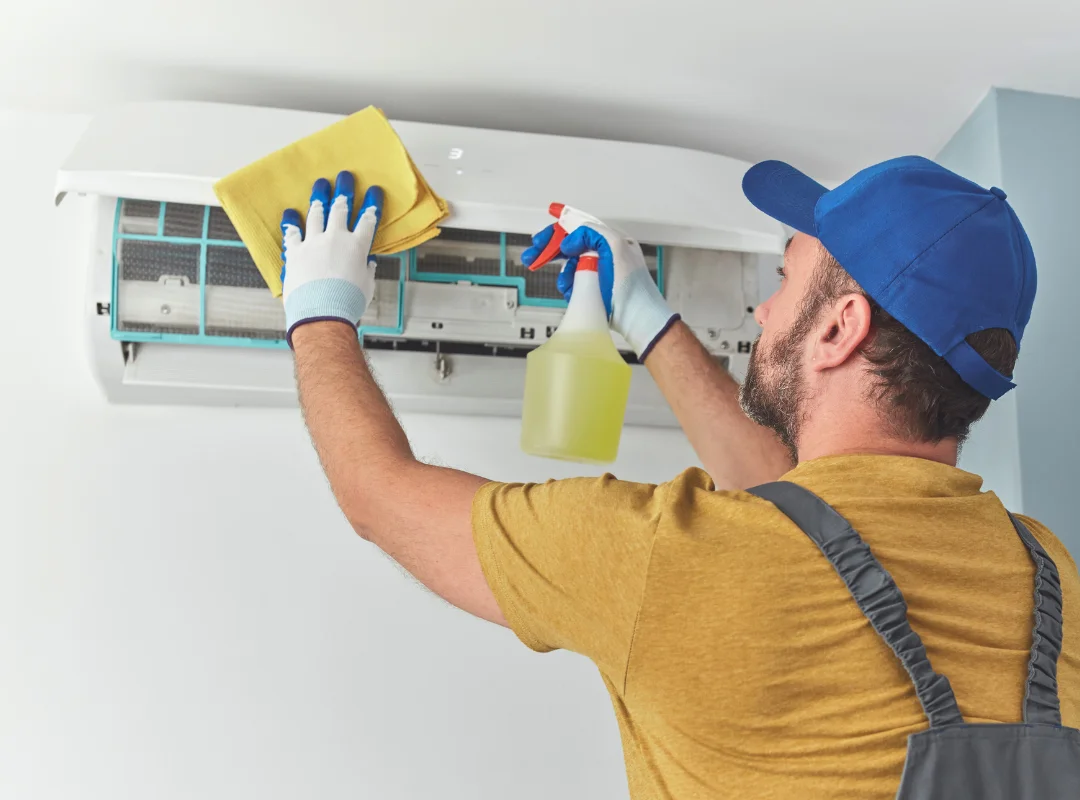
A dirty evaporator coil is one of the most common reasons for a drop in cooling performance. Pet hair, dust, and debris build up on the coil’s fins as it ages, forming a layer that blocks airflow. Homes with a clogged air filter experience faster coil buildup because more particles slip past the filter and land directly on the fins.
A dirty coil can lead to:
- Weak airflow
- Higher energy bills
- Ice forming on the coil
With all these issues piling up, your AC can eventually struggle to cool your rooms at all.
If your AC seems to run constantly without cooling much, this guide on common reasons AC isn’t cooling covers the coil issues that usually cause it.
When Evaporator Coil Replacement Becomes Necessary
Evaporator coil replacement is typically needed when a coil develops a refrigerant leak, corrodes severely, or becomes damaged. Coils are built to last many years, but factors such as poor maintenance, humidity, and low-quality refrigerant charges can shorten their lifespan.
A leaking or cracked AC evaporator coil usually shows up as reduced cooling, hissing sounds near the air handler, or ice buildup on the coil itself. In such cases, a licensed HVAC technician will check refrigerant levels, inspect the coil for leaks, and recommend a replacement if repairs aren’t feasible anymore.
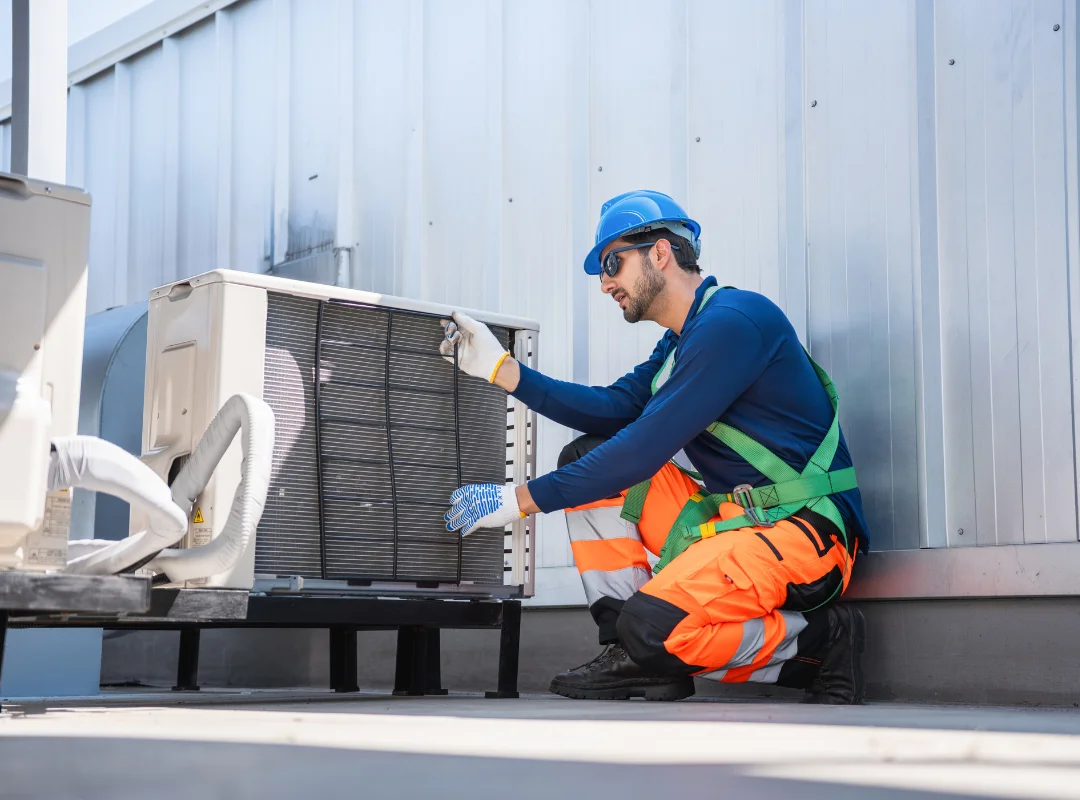
Getting this done by trained HVAC professionals matters, since proper installation directly affects how well the new coil performs; this blog on the benefits of professional AC installation explains why skilled setup makes such a difference.
The Evaporator Coil's Place in the Bigger Picture
It’s worth remembering that the evaporator coil doesn’t work alone. It’s one half of a heat exchanger pair, working alongside the condenser coil outdoors to move heat from inside your home to the outside air.
The air conditioner’s compressor keeps refrigerant cycling between these two coils, changing pressure and state along the way so the air condenses back into a liquid once it reaches the outdoor AC unit.
This back-and-forth cycle is what keeps your home cool on the hottest days and is a good reminder of how connected every part of your air cooling system really is.
Understanding what the evaporator does in an air conditioner makes it easier to spot problems early and keep your home comfortable through the warmer months. The coil’s job is straightforward on paper.
- Absorb heat
- Release it outside
- Repeat
Call Green Street HVAC for AC Coil & Cooling Service
If your cooling system feels weaker than it should, or you suspect a dirty evaporator coil is behind rising energy bills, reach out to Green Street HVAC for a closer look.
We handle AC Install, AC Repair, and HVAC Preventive Maintenance for homes needing coil inspections, refrigerant checks, or full system tune-ups. We also offer Heat Pumps service and Duct Cleaning for households dealing with airflow or humidity issues tied to a struggling coil.
Visit Green Street HVAC to see our full lineup of services, or contact us to schedule a visit today.
Frequently Asked Questions
Q. What is the purpose of an AC evaporator?
A: The evaporator coil pulls heat and moisture out of indoor air so your air conditioner can send cool, dry air back into the home.
Q. How often should an AC evaporator be replaced?
A: Most coils last 10 to 15 years, though damage, corrosion, or refrigerant leaks can call for earlier replacement.
Q. How do I know if my AC evaporator is bad?
A: Weak cooling, ice buildup on the coil, hissing sounds, or rising humidity indoors are common warning signs of a failing coil.
Q. Is it necessary to clean the AC evaporator?
A: Yes, a clean coil keeps airflow steady and keeps your AC system from working harder than it needs to for the same cooling result.
Q. What is the 3-minute rule for AC?
A: The 3-minute rule refers to waiting a few minutes after shutting off an AC before restarting it, giving pressure inside the system some time to settle. Homeowners in Springfield, Tennessee, working with Green Street HVAC are generally told this rule protects the compressor from strain during short power cycles.