Covid-19 Response: Green Street is committed to protecting your health and safety. Learn More
What Should I Check If My Furnace Isn't Responding to Thermostat Commands?
Is the Thermostat Actually Communicating With the Furnace?
It sounds obvious, but this is where most issues start. Your thermostat is the command center for your HVAC system. If it can’t communicate properly, nothing else matters. First, look at the thermostat screen. Is it blank or dim? Dead batteries are still one of the top reasons furnaces don’t respond. Even many digital thermostats and smart thermostats rely on batteries as a backup power source. Replace them even if the screen is partially working. Weak batteries can cause communication errors that aren’t obvious.
Next, double-check thermostat settings. Make sure it’s set to heat mode, not air conditioning, and that the temperature setting is higher than the actual room temperature. We’ve seen homeowners accidentally bump the set temperature down or switch modes without realizing it.
Could the Furnace Problem be Power-Related?
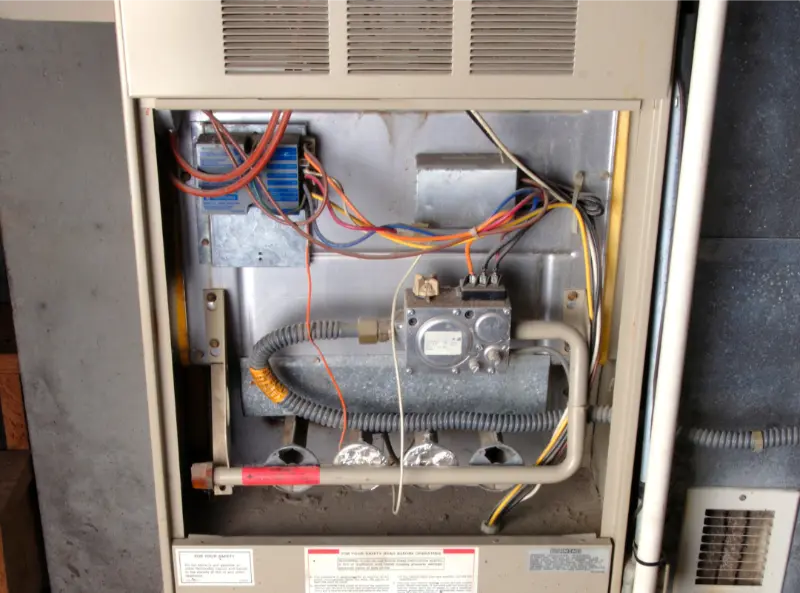
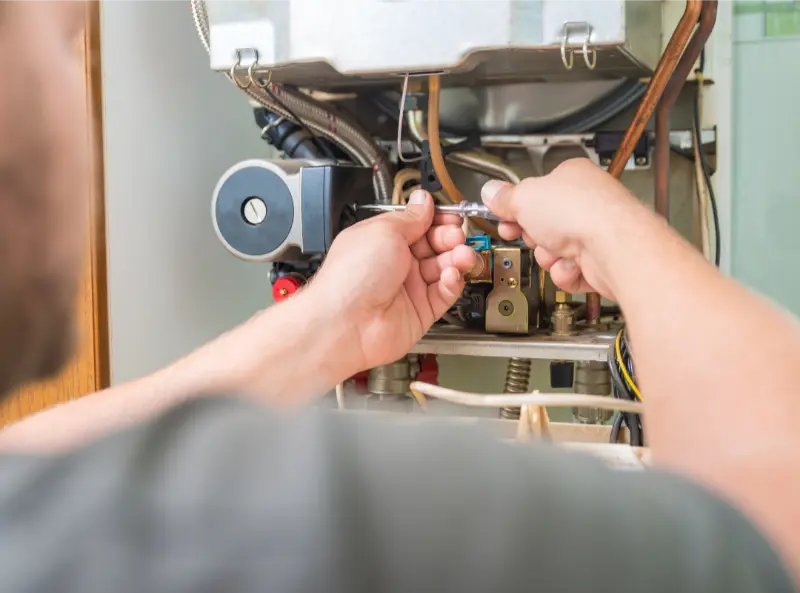
If your furnace isn’t responding at all, power is the next thing to verify. Furnaces don’t always fail dramatically. Sometimes they just quietly lose power. Head to your electrical panel and check the circuit breaker tied to the furnace. A tripped breaker doesn’t always look “off,” so flip it fully off, then back on. Also, check the furnace switch. Many units have a wall switch nearby that looks like a regular light switch. If someone accidentally turned it off, the furnace won’t respond, no matter how perfect the thermostat is.
For gas furnace systems, power is still required for internal components like the control board, blower motor, and flame sensor. No power means no heat, even if the gas supply is fine.
Is the Furnace Getting Fuel & Airflow?
This is where homeowners often overlook the basics. If you have a gas furnace, confirm the gas supply valve is open. If you’ve had recent work done or even a propane delivery, the valve may have been temporarily shut off. No gas means no heating cycle, even if everything else appears to be working properly.
Now check the air filter. A clogged air filter restricts airflow and can cause the furnace to shut down as a safety measure. This is one of the most common issues HVAC technicians find on service calls. A dirty filter can also lead to short cycling, unusual noises, cold spots, and higher energy bills. If the filter looks packed with dust, replace it. This single step can significantly impact airflow, indoor air quality, and system performance.
Is the Furnace Trying to Start but Shutting Down?
Listen to furnace noises closely. When the thermostat sends a signal, do you hear the furnace try to kick on? Maybe the fan starts, then stops, or you hear clicking without ignition. This often indicates that internal safety-related components are functioning properly.
For older gas furnaces, check the furnace pilot light. If it’s out, the furnace won’t heat. Modern systems don’t use standing pilots, but they still rely on sensors. A dirty flame sensor can prevent ignition entirely. Over time, dust buildup can interfere with accurate readings.
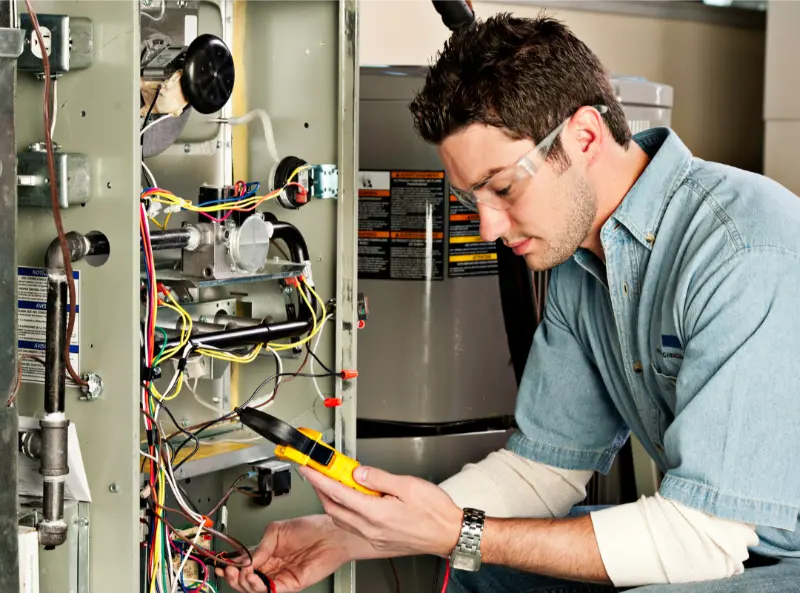
Homeowners comfortable with basic troubleshooting can gently clean a flame sensor using a soft brush or fine steel wool. Avoid compressed air here, as it can push debris into sensitive areas. If the issue persists, stop there, as repeated failed ignition attempts can cause more serious problems.
Could Wiring or Connections be the Issue?
Loose connections between the thermostat and furnace are more common than people think, especially in older homes. Over time, wiring can loosen due to vibration, temperature changes, or even renovations.
If you’re comfortable removing the thermostat faceplate, inspect the wiring. Look for loose, frayed, or disconnected wires. Even a single poor connection can prevent the thermostat and furnace from communicating. That said, don’t guess. Incorrect thermostat wiring can damage control boards or cause inconsistent heating. If anything looks questionable, this is a good point to call an HVAC technician.
Are Safety Switches or Error Codes Stopping the System?
When Is it Time to Call a Professional?
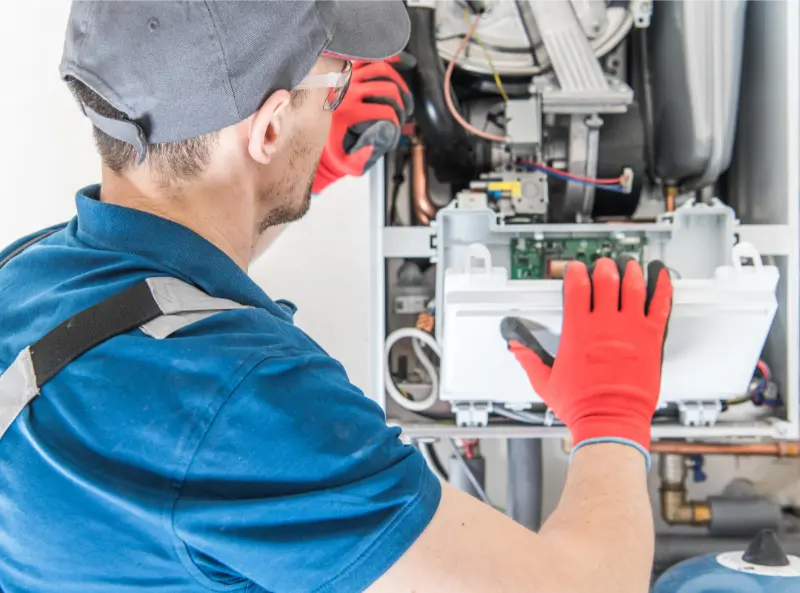
If you’ve checked thermostat batteries, settings, power supply,air filter, gas supply, and the furnace still isn’t responding, it’s time to bring in an HVAC professional. Continuing to reset or force the system can shorten its lifespan and lead to more expensive repairs later. A trained HVAC technician can diagnose communication issues, test internal components, and make sure the system is safe to operate.
For homeowners in the U.S. seeking professional help, Green Street HVAC provides expert diagnosis of heating system issues, quickly and accurately. Our team understands how thermostats and furnaces work together and focuses on solutions that improve comfort, lower energy costs, and extend equipment life.
Conclusion
Frequently Asked Questions
Here are the answers to some of the most commonly asked questions about unresponsive furnaces.
Why does my thermostat say it's heating, but the furnace won't turn on?
This usually means the thermostat is sending a signal, but the furnace isn’t responding. Common causes include a tripped breaker, a dirty air filter causing a safety shutdown, or a faulty flame sensor. Wiring or control board issues may also be involved.
Can a clogged air filter really stop my furnace from working?
Yes. A clogged filter restricts airflow, can cause overheating, and may shut the system down for safety. This is one of the most common furnace issues and is easy to prevent with regular filter changes.
Do smart thermostats cause furnace problems?
Not usually, but improper setup can. Compatibility issues, scheduling conflicts, or connection problems can prevent the furnace from responding, especially if issues started after installation.
When should I call Green Street HVAC instead of troubleshooting on my own?
If you’ve checked settings, batteries, breakers, filters, and gas supply, and the furnace still won’t run, it’s time to call. Green Street HVAC can quickly diagnose electrical, mechanical, or safety issues.
Does Green Street HVAC service gas and propane furnaces in Springfield, Tennessee?
Yes. Green Street HVAC services both gas and propane furnaces and handles thermostat and system communication issues to restore safe, reliable heating.
Call Green Street HVAC for Furnace Repair in Springfield, TN
If your furnace still isn’t responding after basic checks, it’s time to bring in a professional. Green Street HVAC offers expert furnace repair, thermostat troubleshooting, system diagnostics, and routine HVAC maintenance.
Serving homeowners in Springfield, Nashville, Clarksville, Franklin, and surrounding areas of Middle Tennessee, the technicians at our HVAC company can quickly identify electrical, mechanical, or safety-related issues.
Call 615-788-4329 to schedule furnace repair service and get your heating system back on track!
Proud To Be Your No. 1 HVAC Company

Quality
From the way we insulate our ductwork, to the running of the copper refrigeration pipe – our quality is like no other. We spend as much time as we need to insure that our jobs are done perfect. When choosing Green Street you know the job will be done right – on time – and always within your budget.
All Makes & Models
Green Street’s certified technicians are experienced and trained to service, maintain, install and repair all makes and models of commercial air conditioning & heating equipment.

Expertly Trained
Each one of our lead technicians have years of experience in all aspects of HVAC service in Nashville. It is mandatory for each technician to complete a full in house training calendar to insure that they are up to date on the latest residential air conditioning & heating equipment.
24 Hours a Day, 7 Days a Week.