
Covid-19 Response: Green Street is committed to protecting your health and safety. Learn More
Difference Between SEER Ratings and Installation Costs
When you shop for a new cooling system, you’ll notice numbers listed on different models. These are called “SEER ratings”. Many people see them but may not know what they mean or why they matter. Knowing the difference between SEER ratings and how they affect installation costs can help you make better choices when replacing or upgrading your air conditioner. SEER affects energy use, comfort, and the price you pay upfront. It also influences your monthly energy bills during the cooling season. Let’s talk more about this topic.
What Is Seasonal Energy Efficiency Ratio
The seasonal energy efficiency ratio is a measurement used to show how efficiently an air conditioner cools your home during an entire cooling season. It compares the cooling output of a system to the amount of electricity it uses.
Think of it like miles per gallon for a car. A higher number means the unit uses less power to produce the same level of cooling. In HVAC terms, that means fewer watts are used for each unit of cooling.
SEER is not measured on one hot day. It reflects performance across many conditions during the cooling months. This makes it a helpful way to compare different models of air conditioning equipment.

Energy Efficiency Ratio vs Heating Seasonal Performance
You may also hear about the energy efficiency ratio and heating seasonal performance factor. These terms relate to different functions of HVAC equipment.
The energy efficiency ratio measures cooling output at a single outdoor temperature. SEER looks at an entire season instead of one moment.
The heating seasonal performance factor applies to heating mode and is mostly used with a heat pump. This matters because modern heat pumps handle both cooling as well as heating, making them popular in many homes.
Together, these ratings give insight into how an hvac system performs year-round.
24 Hours a Day, 7 Days a Week.
Minimum SEER Rating Requirements
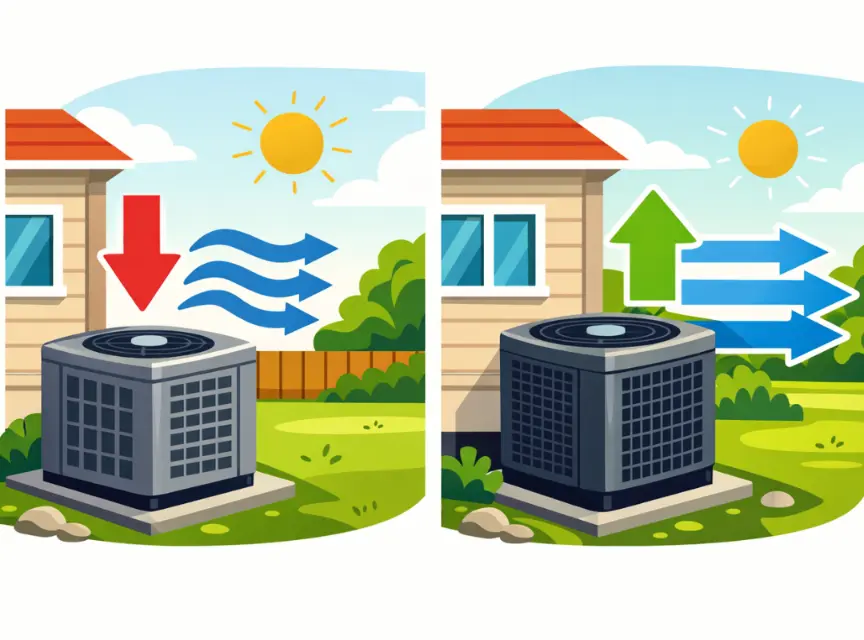
In the United States, every new air conditioning system must meet a minimum SEER rating, which is set by federal guidelines. These minimums vary by climate and region.
Older HVAC systems generally have much lower ratings. Some older units may operate at SEER 8 or 10. Today, new systems start higher, making even entry-level models more efficient than systems that were installed decades ago.
A SEER unit with a higher number means less electricity is used to deliver the same cooling level.
Why SEER Ratings Matter for Cooling Performance
SEER ratings matter because they shape how well your AC cools and how much energy it uses. A higher SEER system works smarter, stretching every watt further during those long, hot summer days.
During a typical cooling season, the difference between a standard air cooling unit and a high SEER option can be noticeable. The system cycles differently, manages temperatures inside your home better, and reduces strain on components.
This gives you more stable comfort in your home while managing energy costs in a smarter way.
Higher SEER Rating & Energy Bills
A higher SEER rating generally gives lower energy bills. Since the HVAC unit needs less power to cool your home, your monthly energy bills can drop during peak summer months.
This is important in warmer areas where air cooling systems run for extended periods. Even small efficiency gains add up when an air conditioner unit runs daily.
A higher SEER unit can help control rising cooling costs without sacrificing comfort.

High SEER & Installation Costs Explained
Now let’s talk about pricing. One of the biggest questions many homeowners ask is how SEER impacts installation.
High-efficiency systems with higher SEER ratings often come with a bigger upfront investment.
These setups use advanced components like:
- variable-speed compressors
- upgraded coils
- smarter control boards
Because of this, installation may require added setup steps, thermostat upgrades, or electrical adjustments. These factors can increase the cost of installation compared to a standard model.
So when asking about the difference between SEER ratings and how do they affect installation costs, the answer is simple: higher efficiency often means higher initial pricing.
LOOKING TO REPAIR, REPLACE OR UPGRADE?
Our experts can walk you through every step of the way, from prospected which tailored solution would be best for you, to installing and maintaing it…
Efficient System vs More Efficient System
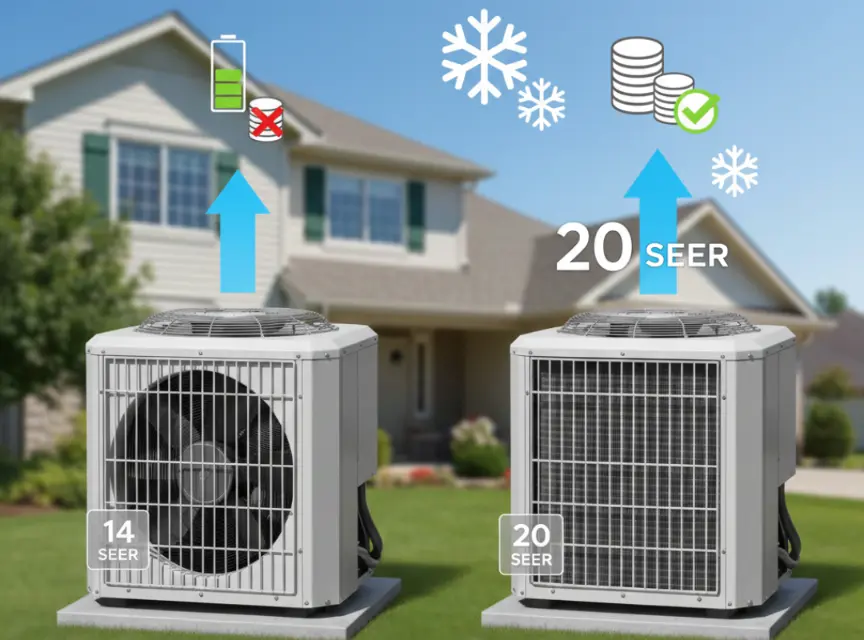
An efficient system meets current standards and performs well for most homes. A more efficient system goes beyond the basics.
Higher SEER systems use advanced technology to adjust output based on real-time demand. Instead of running at full power all day and night, they scale up or down as needed.
This design improves comfort and reduces wasted electricity. It also explains why a high-SEER option costs more than a basic system.
Heat Pump Systems & SEER Ratings
Keep in mind that a heat pump works differently from a traditional air conditioner system. It moves heat instead of generating it, making it a super popular option for both cooling and heating.Modern heat pumps generally come with higher SEER ratings and better heating seasonal performance factor values. These systems are built for efficiency in both modes.The cost of professional installation for heat pumps may vary and depends on ductwork, electrical setup, and control systems. SEER still plays a major role in cooling performance.How SEER Ratings Affect System Sizing
Choosing the right size air conditioning system matters just as much as the SEER number. A system that is too large or too small will not perform as expected.Higher SEER units generally require more precise sizing and airflow calculations. This can add time to the installation process.Proper sizing supports better cooling output and helps the air conditioning system run as engineered.Cooling Costs & Energy Use Over a Season
Air cooling expenses depend on system efficiency, patterns of usage, and outdoor temperatures. A more efficient system can manage energy use better during extended heat waves.Homes with older equipment often notice a big difference after upgrading to a newer system with improved SEER ratings.Lower energy costs during the summer months help balance the initial investment of a new system.Comparing SEER Ratings Like Miles Per Gallon
Using miles per gallon as a comparison makes SEER easier to understand. A car with higher MPG uses less fuel to travel the same distance.In the same way, a higher SEER air conditioner uses less electricity to cool the same space. The concept is simple, even if the technology behind it is advanced.Conclusion
SEER ratings help homeowners make the right decisions. The difference between SEER ratings and how they affect installation costs comes down to setup requirements, technology, and efficiency.Higher ratings usually bring lower cooling costs, improved comfort, and better energy use. They also come with higher upfront pricing due to advanced components and installation needs.By learning how SEER works, you can choose an AC system that is suitable for your home, your usage patterns, and your comfort goals.Call Green Street for Cooling Solutions in Springfield, TN
If you are planning a new air conditioning system or exploring options with a higher SEER rating, Call Green Street HVAC for professional guidance.We can easily handle AC Install, AC Repair, HVAC Maintenance, Heat Pumps, and Thermostat Repair and Installation. We also offer HVAC Preventive Maintenance through our Comfort Club to keep systems running reliably.Connect with us today to discuss energy-smart upgrades and schedule your service.Frequently Asked Questions
What does SEER mean in air conditioning?
SEER stands for “seasonal energy efficiency ratio” and measures how much cooling an air conditioning system provides relative to the electricity it uses during a cooling season.
Does a higher SEER rating always mean lower energy bills?
A higher SEER rating usually leads to lower energy bills, especially in homes where cooling systems run often during warm months.
Why do high SEER systems cost more to install?
High SEER systems use advanced components and may need additional setup steps, which increases installation costs.
Are heat pumps affected by SEER ratings?
Yes. A heat pump uses SEER for cooling efficiency and heating seasonal performance factor for heating performance.
Does Greenstreet HVAC install high SEER systems in Springfield, Tennessee?
Yes. Greenstreet HVAC provides installation and service for high-efficiency heating and cooling systems, including homes in Springfield, Tennessee.

Proud To Be Your No. 1 HVAC Company

Quality
From the way we insulate our ductwork, to the running of the copper refrigeration pipe – our quality is like no other. We spend as much time as we need to insure that our jobs are done perfect. When choosing Green Street you know the job will be done right – on time – and always within your budget.

All Makes & Models
Green Street’s certified technicians are experienced and trained to service, maintain, install and repair all makes and models of commercial air conditioning & heating equipment.

Expertly Trained
Each one of our lead technicians have years of experience in all aspects of HVAC service in Nashville. It is mandatory for each technician to complete a full in house training calendar to insure that they are up to date on the latest residential air conditioning & heating equipment.
24 Hours a Day, 7 Days a Week.