
Covid-19 Response: Green Street is committed to protecting your health and safety. Learn More
Why Is Defrost Mode Necessary on a Heat Pump
How Warm Air Moves Through Your Heating System
Most heating systems create warm air at a central unit and send it through air ducts. This air travels to different rooms through air vents and heating vents.Since heat rises, rooms on upper floors often feel warmer than those on lower levels. This natural movement can lead to temperature imbalance across the entire house. If airflow is disrupted anywhere along the path, some rooms receive less warm air, while others feel comfortable.
How a Heat Pump Works in Cold Weather
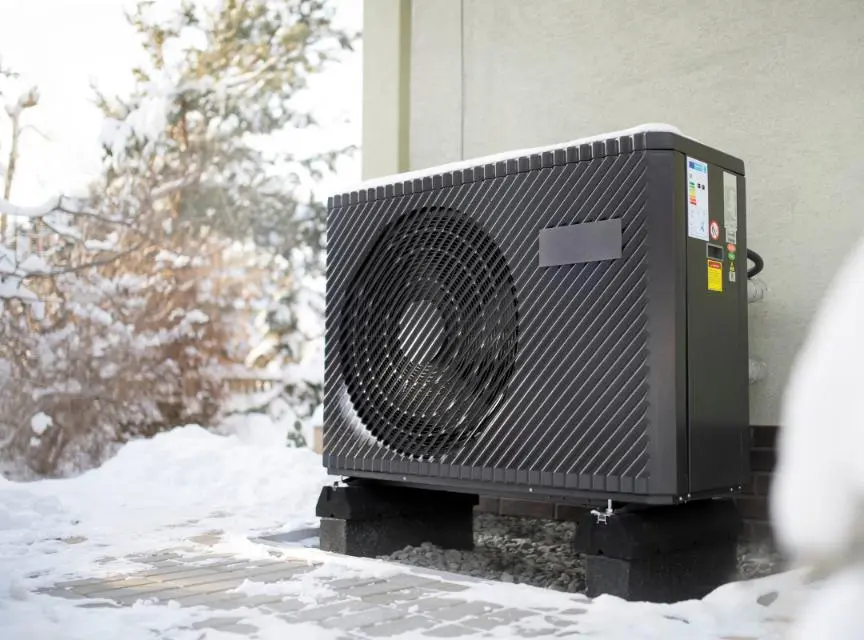
A heat pump does not create heat the way a furnace does. Instead, it pulls heat from outdoor air and moves it indoors. This process works even when outside temperatures are low.
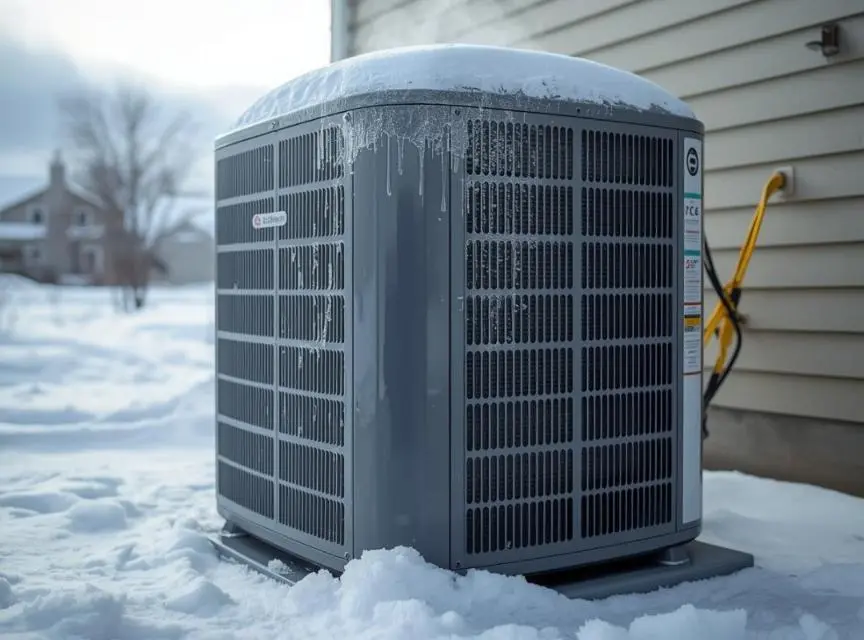
On cold days, moisture in the air clings to the outdoor coil and freezes, forming a frosty blanket. As this layer thickens, it chokes off airflow and makes it harder for your system to gather heat.
This is where the heat pump’s defrost mode becomes necessary.
What Is a Heat Pump’s Defrost Mode
The heat pump’s defrost mode is a built-in operation that removes frost from the outdoor coil. The system runs a defrost cycle to melt ice and restore proper airflow.
During this process, the heat pump temporarily switches out of heating mode and reverses operation. It sends heat to the outdoor coil to melt frost.
This happens automatically and lasts only a few minutes.
Why Frost Buildup Happens on the Outdoor Unit
Your outdoor unit is exposed to temperature changes, moisture, and cold air. When warm refrigerant meets cold metal surfaces, moisture freezes.
Frost buildup is common when temperatures hover near freezing. In colder temperatures, frost can turn into ice buildup, further blocking airflow.
Without defrost mode, ice would continue growing and restrict the heat transfer process.
24 Hours a Day, 7 Days a Week.
How the Defrost Cycle Works
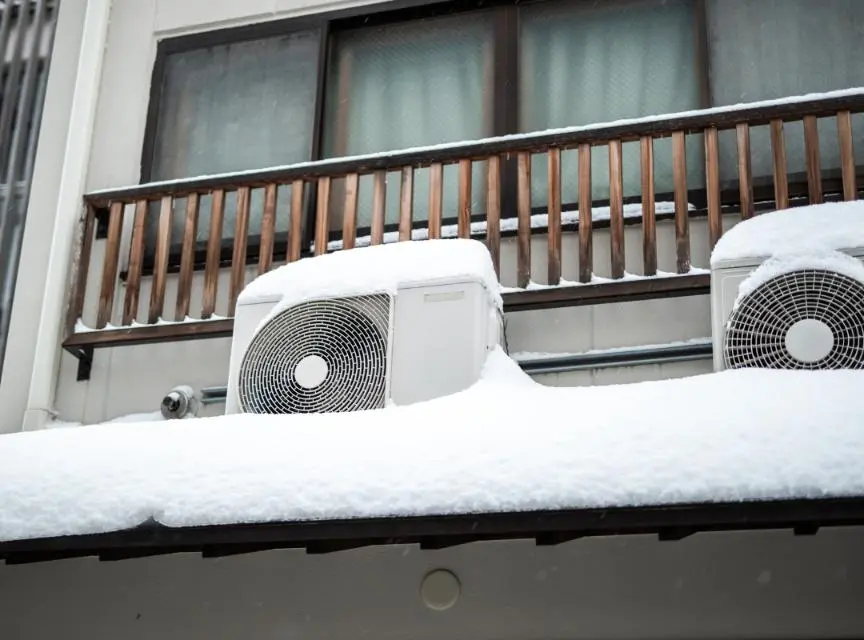
Let’s now have some info on how the defrost cycle actually works. During a defrost cycle, the system reverses operation briefly. The outdoor coil warms up, melting ice and frost.
At the same time, the indoor system may activate auxiliary heat or aux heat to maintain comfort. This avoids cold drafts while the defrost process runs.
Once the ice melts, your heat pump switches back to heating mode.
Heat Pump Fan Behavior During Defrost Mode
Remember that this pause is normal and part of the defrost design. Once the cycle ends, the fan resumes normal operation.
Emergency Heat & Auxiliary Heat Support
During defrost, the HVAC system relies on heat strips or auxiliary heat to supply indoor warmth. In some setups, emergency heat may be engaged if outdoor conditions are extreme.
These electric heating elements keep warm air flowing in your home while the heat pump clears ice from the outdoor coil.
This backup supports maintaining comfort during cold spells.
Heat Pump Efficiency During Defrost Mode
The heat pump’s efficiency temporarily drops during defrost because the system uses extra energy to melt all the ice. This is expected and short-lived. And once all the frost is cleared, efficiency returns to normal. Without defrost mode, ice buildup would lower performance.
In short, brief efficiency dips protect the overall operation of your heating system.
Demand Defrost vs Timed Defrost
Older HVAC systems often use timed defrost, which runs at set intervals. Demand defrost uses sensors to detect frost levels and activates only when needed.
Many modern heat pumps rely on demand defrost. This approach reduces defrost cycles that are unnecessary and limits extra energy consumption.
Demand-based operation gives you better comfort and keeps your system balanced.
Frequent Defrost Cycles & What They Mean
Frequent defrost cycles may happen during humid or freezing conditions. Moisture in the air accelerates frost formation.
However, excessive cycling could signal problems with the airflow, sensor issues, or refrigerant concerns. In these cases, system inspection from professionals is highly recommended.
Normal winter operation includes periodic defrost activity.
LOOKING TO REPAIR, REPLACE OR UPGRADE?
Our experts can walk you through every step of the way, from prospected which tailored solution would be best for you, to installing and maintaing it…
Cold Air During Defrost Mode
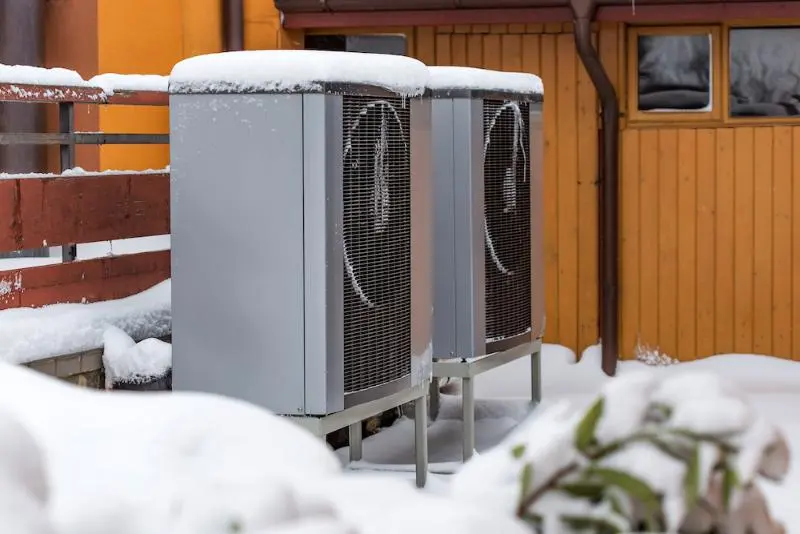
Some homeowners notice cold air from vents during defrost. This happens because the system pauses normal heating briefly.
Auxiliary heating generally limits this effect, but airflow may feel cooler for a short time.
This does not indicate any kind of failure. It just shows that your system is protecting itself.
Why Defrost Mode Protects the Heating System
Defrost mode helps protect the entire heating system. Ice-covered coils strain compressors and reduce airflow.
Clearing frost helps components operate within designed limits and avoids wear. Without defrost capability, the performance of your heat pump would decline rapidly in winter conditions.
Defrost Control & System Intelligence
The defrost control board manages temperature sensing, timing, and system switching. It also monitors outdoor conditions and decides when defrost is needed.
This automated process allows your heating system to respond to real-time conditions without user input.
Relationship Between Air Conditioning & Defrost Mode
Though defrost is a winter function, it relies on the same reversing technology that is used in air conditioning. The system simply switches the direction of refrigerant flow. This shared design allows heat pumps to heat and cool properly throughout the year.
Conclusion
Understanding why defrost mode is necessary on a heat pump helps homeowners feel confident during winter operation. Frost and ice naturally form on outdoor coils during cold conditions.
The heat pump’s defrost mode clears buildup, protects components, and restores airflow. While efficiency dips briefly, defrost mode supports stable heating during cold winter weather.
Defrost cycles are a normal and essential part of how your home heat pumps deliver consistent comfort.
Call Green Street HVAC for Heat Pump Service & Support
If your system shows signs of frequent defrost cycles or performance concerns, Call Green Street HVAC for professional help.
We provide Heat Pumps, HVAC Maintenance, Furnace Repair, and Thermostat Repair and Installation to support reliable heating.
We also offer HVAC Preventive Maintenance through our Comfort Club to keep systems running properly during winter. Call us today to schedule service or a system evaluation.
Frequently Asked Questions
Is defrost mode normal on a heat pump?
Yes. Defrost mode is a standard function that removes frost from the outdoor coil during cold winter weather.
How long does a defrost cycle last?
Most defrost cycles last only a few minutes before the system returns to heating mode.
Does defrost mode increase energy use?
Energy use rises briefly during defrost, then returns to normal operation quickly afterward.
Why does my heat pump blow cooler air during defrost?
The system pauses heating briefly while ice melts. Auxiliary heat often limits discomfort.
Does Greenstreet HVAC service heat pump defrost issues in Springfield, Tennessee?
Yes. The Greenstreet HVAC team provides heat pump service and diagnostics in Springfield, Tennessee, and all the nearby areas.

Proud To Be Your No. 1 HVAC Company

Quality
From the way we insulate our ductwork, to the running of the copper refrigeration pipe – our quality is like no other. We spend as much time as we need to insure that our jobs are done perfect. When choosing Green Street you know the job will be done right – on time – and always within your budget.

All Makes & Models
Green Street’s certified technicians are experienced and trained to service, maintain, install and repair all makes and models of commercial air conditioning & heating equipment.

Expertly Trained
Each one of our lead technicians have years of experience in all aspects of HVAC service in Nashville. It is mandatory for each technician to complete a full in house training calendar to insure that they are up to date on the latest residential air conditioning & heating equipment.
24 Hours a Day, 7 Days a Week.