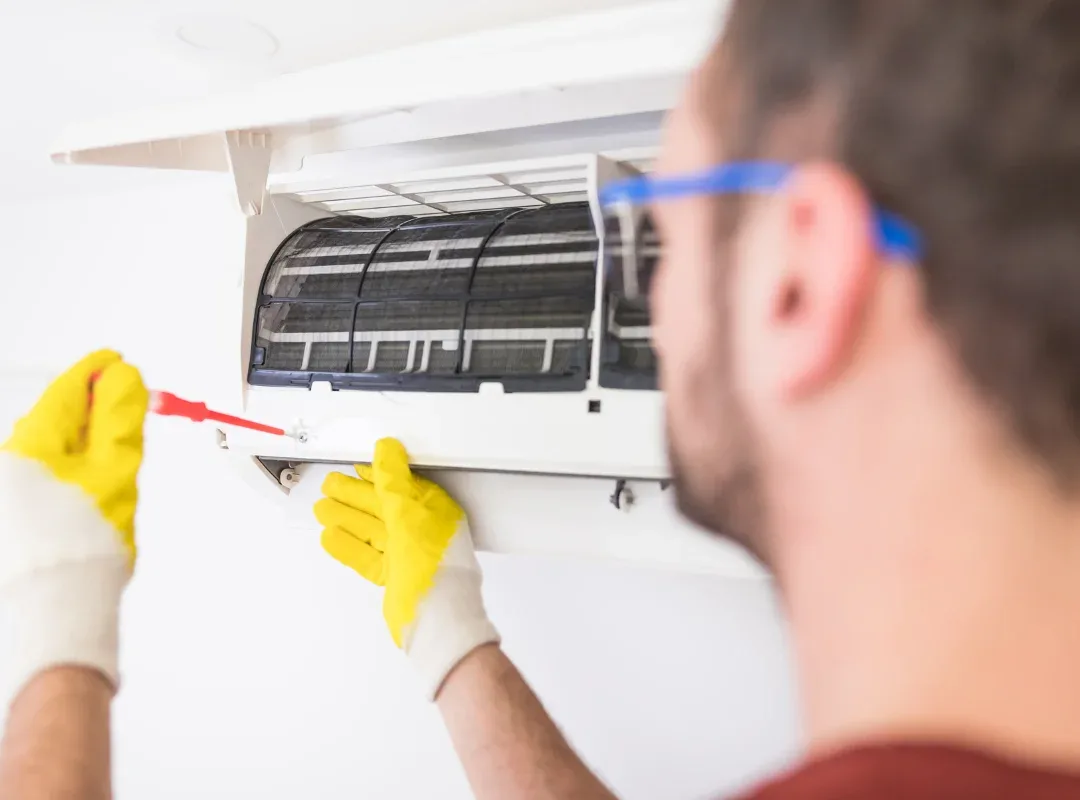
Why Is Water Pooling Around My Indoor Air Conditioning Unit?

Your air conditioner often shows warning signs before it stops cooling. One of the most noticeable is water pooling around the indoor unit. While some homeowners ignore it, standing water is not normal and usually indicates a problem within the system. Addressing it early can help prevent costly repairs and protect your AC’s performance. Here are the most common causes and what they mean for your system.

A Clogged Condensate Drain Line

A clogged condensate drain line is one of the most common causes of water pooling around an air conditioner. As your AC cools the air, condensation drains through this line. When dirt, dust, or mold creates a blockage, the water backs up and overflows from the drain pan, causing leaks around the indoor unit.

If left untreated, a clogged drain line can lead to water damage, mold growth, and damage to AC components. Prompt cleaning can usually resolve the issue before it becomes a larger problem.

AC Repair & HVAC Services Green Street HVAC Nashville

A Dirty Air Filter Restricts Airflow & Starts a Chain Reaction

A dirty air filter may look harmless, but it can cause a ripple effect inside your AC unit. When the air filter blocks airflow, the evaporator coils get too cold. The coils then freeze. As the ice melts, water forms, spills over the condensate pan, and creates a puddle under the unit.

Restricted airflow also forces the blower to work harder, which strains it and leads to other issues. You may feel warm air blowing from the vents, notice odd smells, or hear the blower struggling.
Dirty air filtering through the system brings in more dust, pushing even more junk into the drain line. Cleaning or replacing the air filter on time keeps the AC system breathing normally. It stops unnecessary freezing and protects the entire system from stress.

Air Conditioner Repair & Maintenance Services

Frozen Evaporator Coils Lead to Heavy Leaks

A frozen evaporator coil or frozen coils never end well. When coils freeze, the ice layer thickens over time. Once the system shuts off, the ice melts into a large amount of water all at once. That sudden flow overwhelms the condensate tray, spills across the pan, and lands on your floor.

Frozen coils usually come from:

  • Low refrigerant levels
  • A dirty air filter
  • A failing blower
  • Low refrigerant or a refrigerant leak

If you spot frost or the system feels cold to the touch, shut off the power. A frozen coil left running can damage the compressor, and that repair will never be cheap. Calling an HVAC professional at this stage stops further damage and keeps your system safe.

Low Refrigerant or a Refrigerant Leak

Your AC unit cannot cool the air without enough refrigerant. When there is a refrigerant leak, pressure drops inside the system. This makes the evaporator coils colder than they should be. As a result, the coils freeze. When the system warms back up, the melting ice becomes leaking water around the unit.

Low refrigerant also reduces cooling capacity. Your home feels warmer, the system runs longer, and humidity rises. You may even see water pooling under the air handler as the condensate pan tries to handle more moisture than usual.

Leaks require professional tools. An HVAC expert can locate the leak, repair the damaged spot, and recharge the system. Ignoring this issue leads to weak cooling and long-term water damage.

Call Us Today

24 Hours a Day, 7 Days a Week.

A Broken Condensate Pump Causes Backups & Overflow

Some homes need a condensate pump to move water up or across the room to a drain. When the condensate pump fails, clogs internally, or loses power, all the water backs up. It overflows from the pan and spills around the unit.
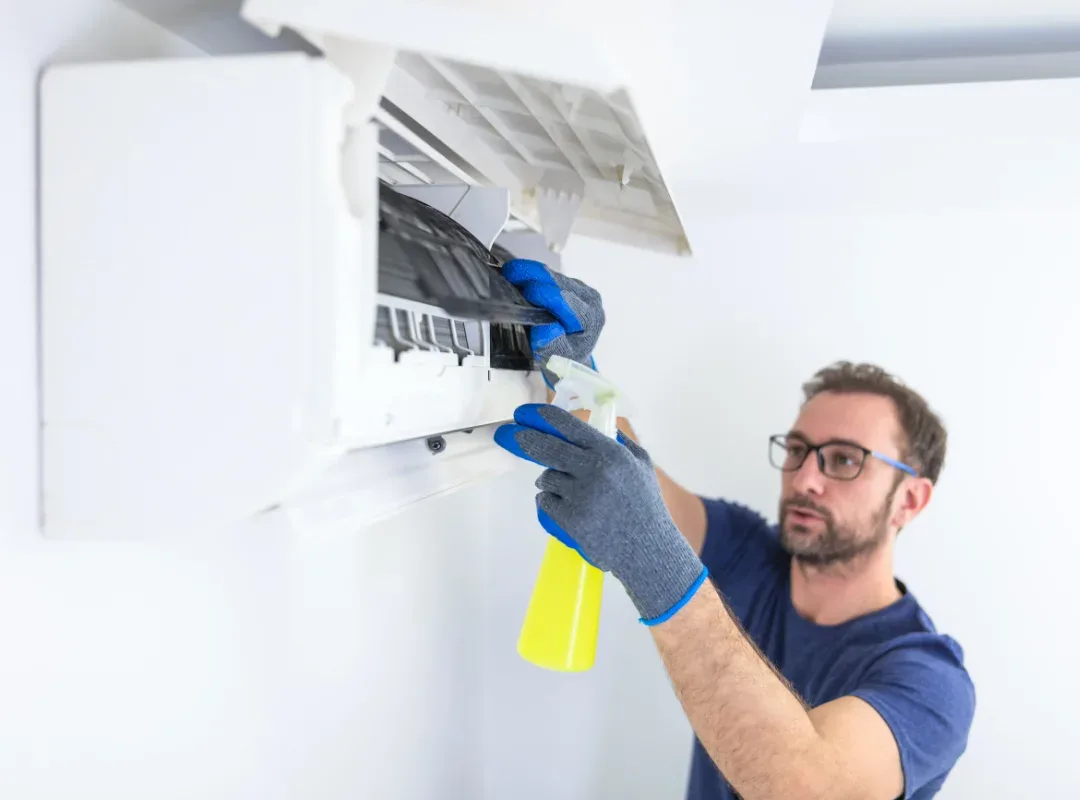
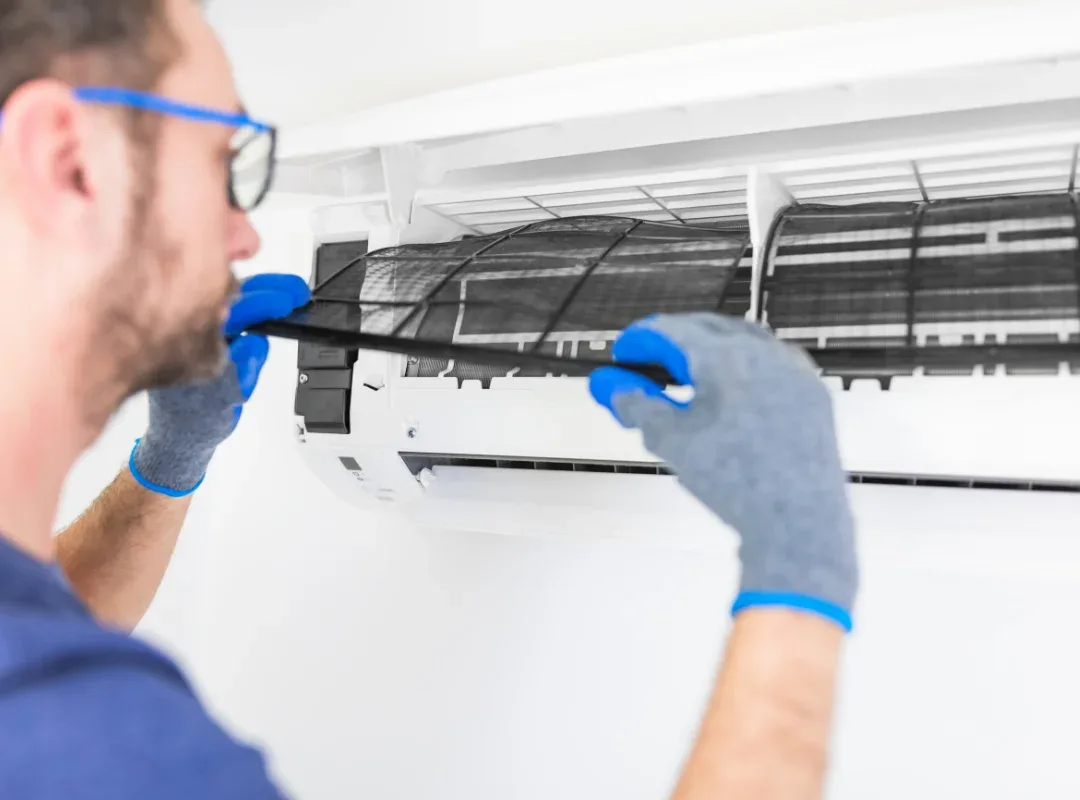
Duct Cleaning Service & AC Installation Green Street HVAC
Heat Pump Repair & AC Service in Nashville

A broken condensate pump often produces warning signs:

  • A humming sound with no water movement
  • Water rising inside the pump reservoir
  • Water leaking from the bottom of the air handler
  • Random shut-offs caused by the float switch

If you use a central air setup in a basement or an area without a gravity drain, the pump becomes critical. A quick repair or replacement saves the system from further water damage.

A Clogged Condensate Trap Stops Normal Water Flow

The condensate trap prevents air from flowing backward into the system. Dirt, sludge, and algae often collect inside it. When the trap becomes clogged, the system stops draining correctly. Water then rises inside the pan until it spills over.Many homeowners never check the condensate trap because it sits inside the PVC pipe assembly. Routine AC cleaning keeps the trap clear and lets the condensate flow without resistance.

When to Contact an HVAC Professional

You can clear minor clogs or replace a filter, but larger problems require trained hands. If you see any of the following signs, it is time to contact an HVAC professional. 

  • Repeated leaks
  • Frozen evaporator
  • A failing condensate pump
  • Low refrigerant
  • A blocked drain that keeps returning

A technician inspects the coils, drain lines, pump, and refrigerant levels. They check the blower, the air handler, and the pipe connections. This helps prevent further damage and keeps the entire system running smoothly.

Final Thoughts

Seeing water pooling around your indoor air conditioning unit never means that something normal is going on. Something inside the unit is either blocked, frozen, broken, or leaking. Your AC unit depends on clear airflow, steady refrigerant levels, and a clean drainage path to manage moisture. 

When any part fails, the water ends up on your floor instead of in the drain line. Do not wait for the problem to grow. With the right attention and timely repairs, your system will cool better, run smoother, and stay free from unnecessary water trouble.

Green Street HVAC Keeps Your Home Cozy & Dry

Noticing water pooling around your indoor AC can be frustrating, but Green Street HVAC has you covered. Our team inspects clogged condensate drain lines, frozen evaporator coils, and faulty condensate pumps to find the root cause fast. We handle AC repairs, HVAC maintenance, and system checks so your air handler stays dry and your home stays comfortable. 

Contact Green Street HVAC today to schedule your consultation!

LOOKING TO REPAIR, REPLACE OR UPGRADE?

Our experts can walk you through every step of the way, from prospected which tailored solution would be best for you, to installing and maintaing it…

Frequently Asked Questions

Below, we’ve addressed some commonly asked questions about water pooling around an AC unit. 

A: Some water near the outdoor unit is normal. Water around the indoor unit usually means a drain or cooling issue.

A: Wait 3 minutes before restarting the AC after shutting it off to protect the compressor.

A: Turn it off, replace a dirty filter, and check for a clogged drain line. Call a technician if it continues.

A: Usually caused by a clogged drain line, cracked drain pan, or frozen coil. Fix it quickly to prevent damage.

A: Yes. Green Street HVAC offers AC service, AC repair, and seasonal maintenance in Springfield, TN. 

Call Us Today

24 Hours a Day, 7 Days a Week.

Why Choose Us

Proud To Be Your No. 1 HVAC Company

Quality

From the way we insulate our ductwork, to the running of the copper refrigeration pipe – our quality is like no other. We spend as much time as we need to insure that our jobs are done perfect. When choosing Green Street you know the job will be done right – on time – and always within your budget.

All Makes & Models

Green Street’s certified technicians are experienced and trained to service, maintain, install and repair all makes and models of commercial air conditioning & heating equipment.

Expertly Trained

Each one of our lead technicians have years of experience in all aspects of HVAC service in Nashville. It is mandatory for each technician to complete a full in house training calendar to insure that they are up to date on the latest residential air conditioning & heating equipment.

Call Us Today

24 Hours a Day, 7 Days a Week.