Covid-19 Response: Green Street is committed to protecting your health and safety. Learn More
How Often Should Air Filters Be Replaced in High Pollen Areas?
If you live in a high pollen area, you should generally change your air filter every 30 to 60 days, and sometimes every 2 to 4 weeks (during heavy pollen season). The right schedule varies based on the household conditions, filter type, pets, and how much your HVAC system runs. Regular filter replacement matters because a clean air filter can capture pollen, pet dander, dust, and other airborne particles before they circulate through your home.
Why High Pollen Areas Require More Frequent Filter Changes
Pollen can enter your home through open windows and doors, clothing, shoes, and normal household activities. Once inside, these tiny particles circulate through the air conditioning system and become part of the indoor air. An HVAC air filter captures these particles as air passes through the system.
In an area with heavy seasonal pollen, the air filter may collect particles much faster than it would during a low-pollen period. As the air filter becomes loaded with pollen, dust, and other indoor pollutants, airflow becomes restricted. This makes the cooling system work harder to move air throughout the home.
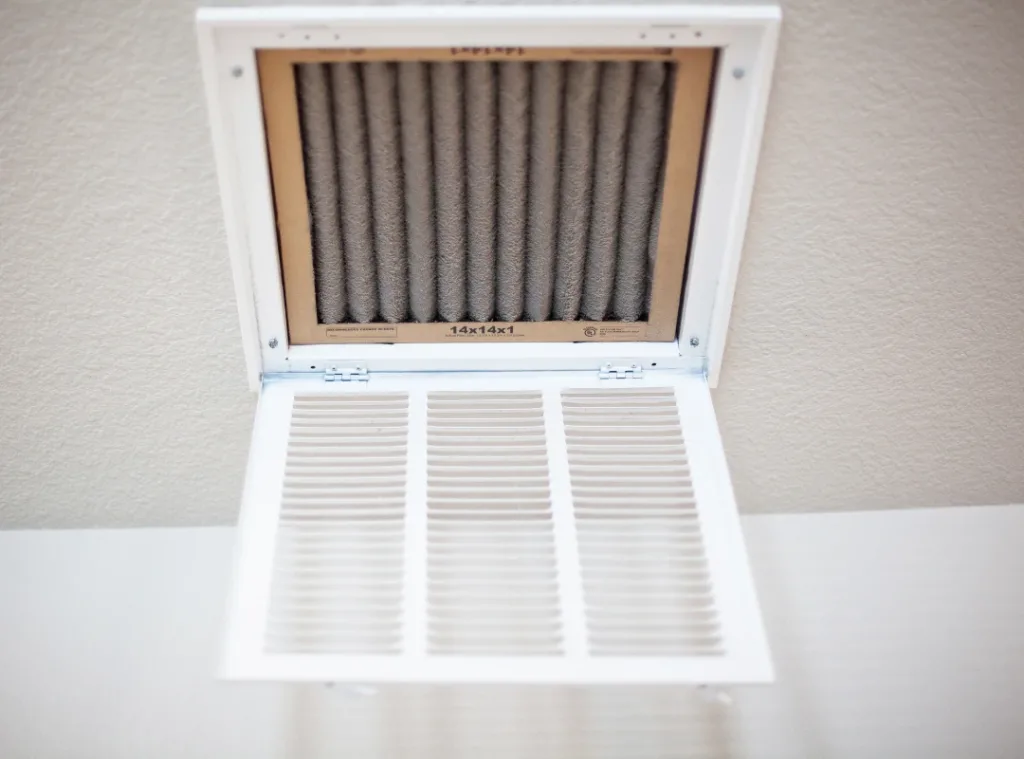
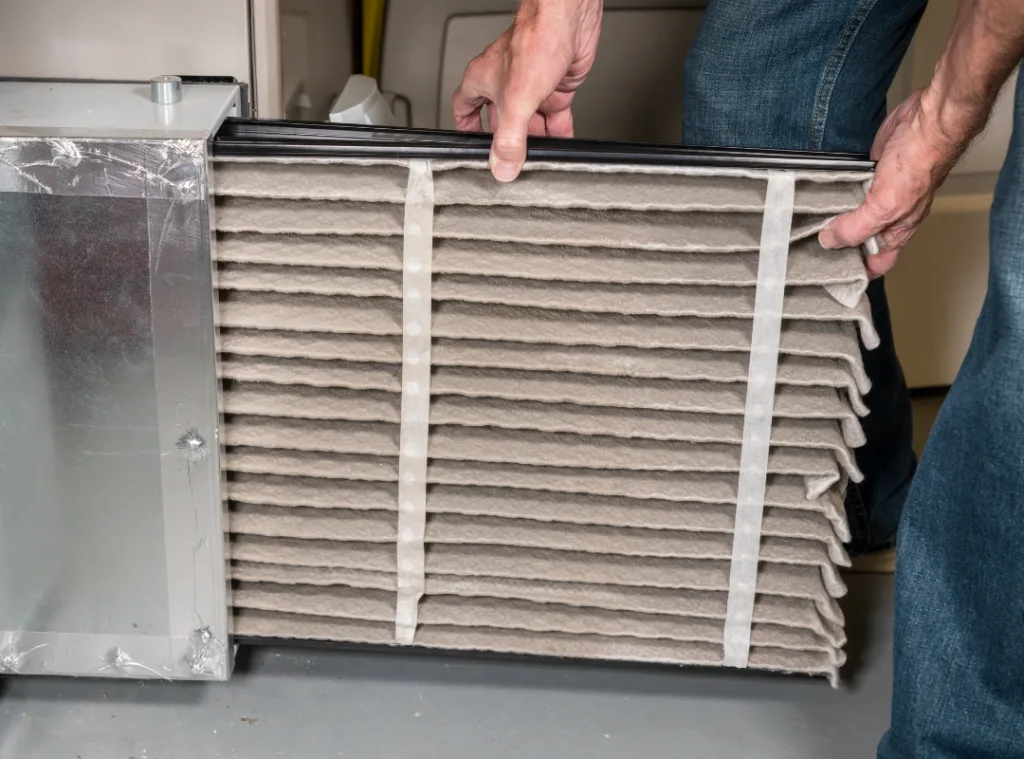
If your home has high pollen levels, checking the filter every few weeks is a practical habit. A visual inspection shows when the filter has accumulated a noticeable layer of dust or debris. If it looks heavily coated, replacing it may be appropriate even if the filter has not reached its usual replacement interval.
How Often Should Air Filters Be Replaced in High Pollen Areas?
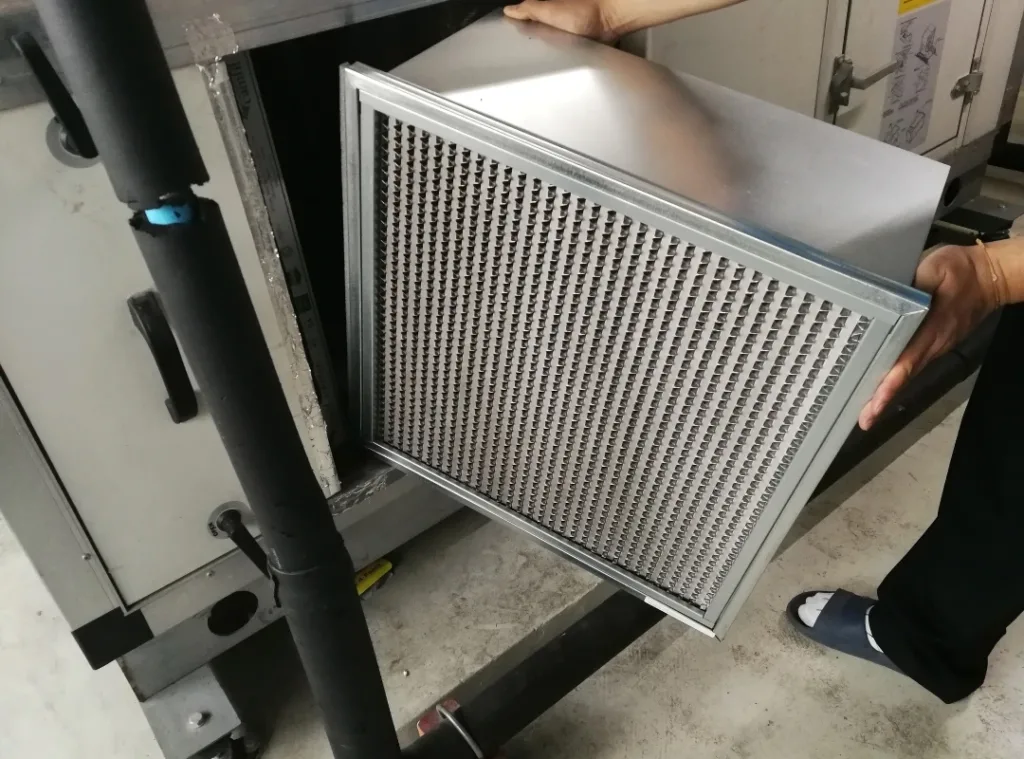
The answer is usually every 30 to 60 days for standard filters, but homes with significant pollen exposure may require replacement every 2 to 4 weeks. If you have pets, you have to do more frequent changes because pet dander adds another source of particles to the filter.
A home with one occupant and limited HVAC use may go longer between changes. A busy household with several occupants, pets, frequent door opening, or continuous air conditioning use needs a shorter schedule. The condition of the air filter is generally more useful than relying only on a calendar.
During months of peak pollen, inspect the filter every two to four weeks. If the air filter is visibly dirty or your home develops more noticeable dust, allergy symptoms, or stale indoor air, a replacement may be appropriate.
24 Hours a Day, 7 Days a Week.
Does Filter Type Affect Replacement Frequency?
Yes. The filter type has a major role in how frequently it should be changed.
- Basic fiberglass filters generally have lower particle-capturing ability and may have shorter recommended service intervals.
- Pleated filters can capture smaller particles and are available in different efficiency levels.
HEPA filters, or high-efficiency particulate air filters, capture very small airborne particles. True HEPA filtration can be useful in settings where fine particle removal is a priority, but not every residential HVAC system is designed to use a true HEPA filter. A filter should match the equipment manufacturer’s specifications so airflow is not restricted.
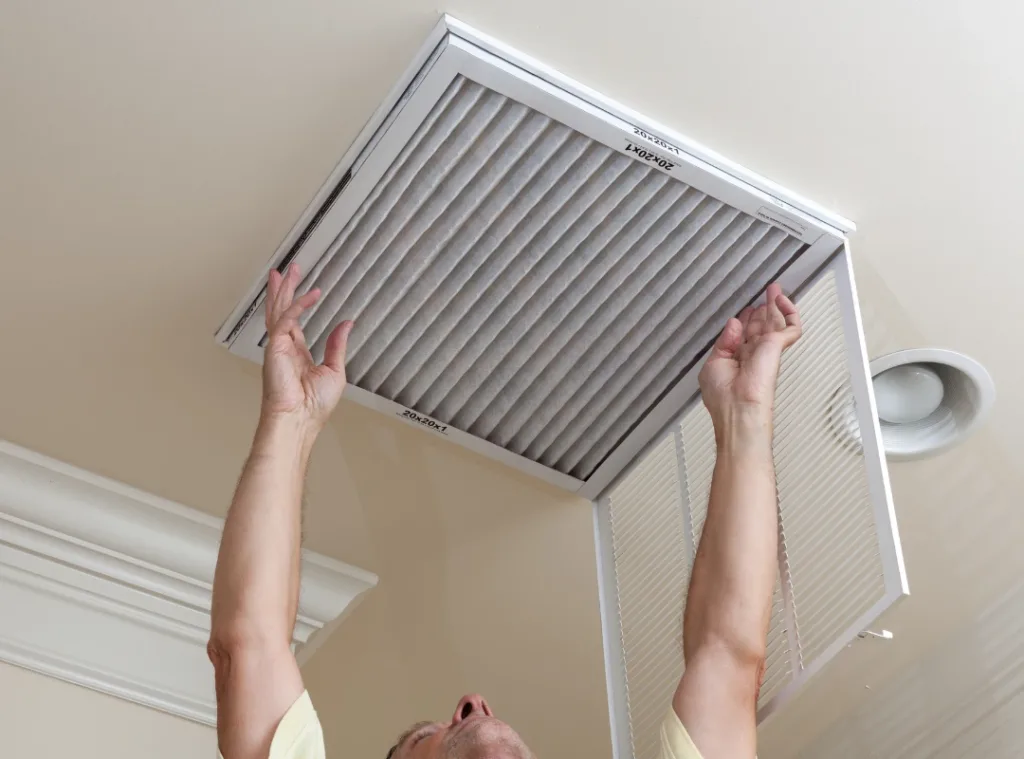
Filter ratings are described using minimum efficiency reporting values, commonly known as “MERV” ratings. A higher rating generally means the filter can capture smaller particles, but a higher-rated filter can also create greater airflow resistance in systems that are not designed for it.
Checking the HVAC manufacturer’s recommendations is important before changing to a different filter rating.
How Air Filters Affect Indoor Air Quality
The condition of an HVAC filter has a direct connection with indoor air quality because the filter is one part of the home’s air filtration process. A clean air filter can capture many particles before they circulate repeatedly through living spaces.
It is important to recognize that an HVAC filter does not remove every indoor contaminant.
- Smoke
- Cooking particles
- Household chemicals
- Mold-related particles
All of these can also affect air quality.
Good filtration works alongside source control, ventilation, and regular HVAC care. And for homes with poor indoor air quality, additional filtration equipment may be considered.
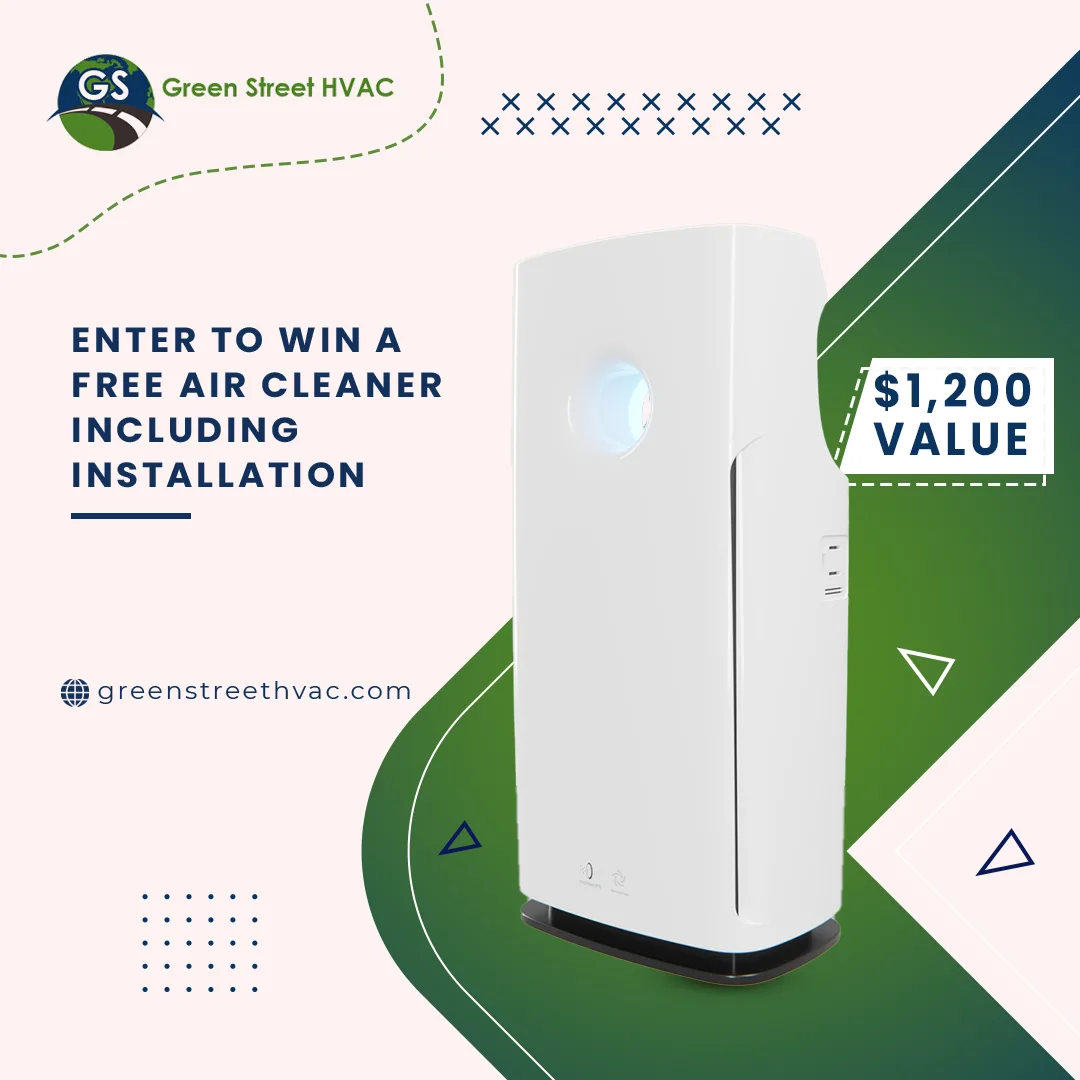
Standalone air purifiers can provide another layer of particle filtration in rooms where people spend more time. However, an air purifier does not replace the need for a properly maintained HVAC filter.
Can Air Filters Remove Pollen & Other Allergens?
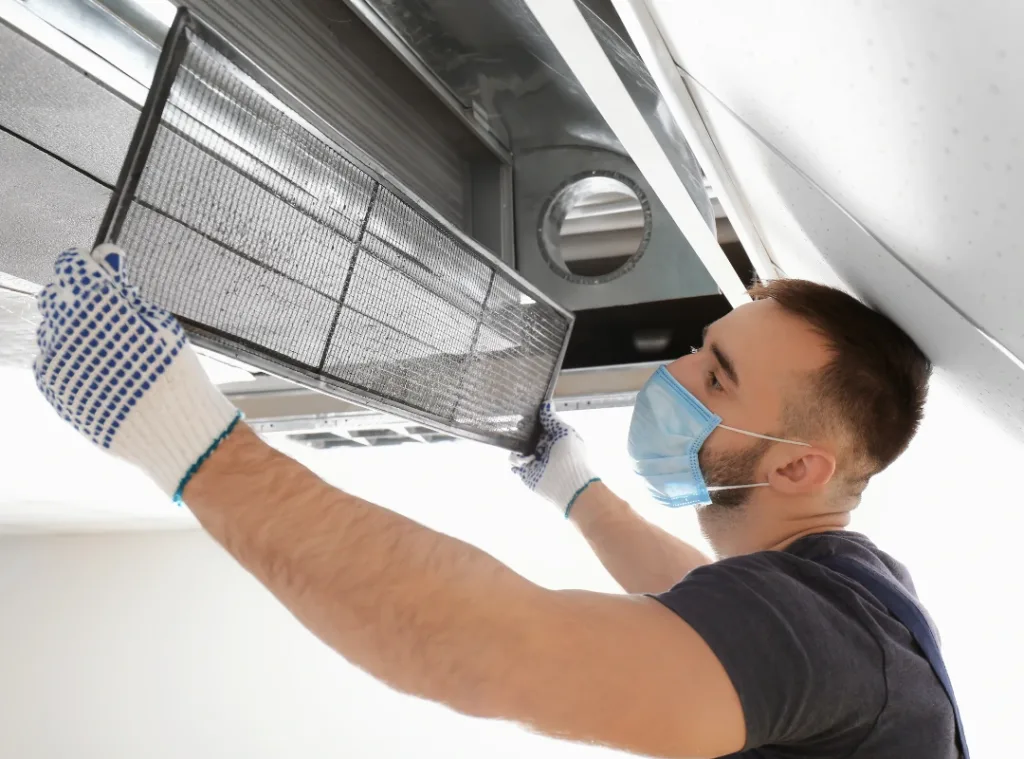
A properly selected air filter can capture a significant portion of airborne pollen as air moves through the HVAC system. The amount captured depends on the filter’s rating, construction, condition, and the characteristics of the HVAC equipment.
Wildfire smoke presents another filtration challenge. Smoke contains very small particles, and standard HVAC filters may not capture all of them. Filtration needs can therefore change based on seasonal pollen levels and other outdoor air conditions.
Can You Wash an Air Filter?
Most disposable HVAC filters should not be washed. They are designed for one-time use and should be replaced when dirty. Washing a disposable air filter can damage its structure and reduce its ability to capture particles.
Some HVAC systems use filters that are reusable and are designed for washing. These filters can be cleaned according to the manufacturer’s instructions and must be completely dry before you reinstall them. Never assume a filter is washable simply because it appears sturdy.
The safest choice is to check the label or equipment manual to know if the filter is disposable or reusable. Using the wrong type can affect airflow and filtration.
LOOKING TO REPAIR, REPLACE OR UPGRADE?
Our experts can walk you through every step of the way, from prospected which tailored solution would be best for you, to installing and maintaing it…
Conclusion
In high pollen areas, replacing an air filter every 30 to 60 days is a common starting point, while pollen exposure may call for replacement every 2 to 4 weeks. Homes with pets, frequent HVAC use, or noticeable dust may need even more frequent checks.
- Pay attention to the filter’s condition.
- Use the correct filter type.
- Follow the HVAC manufacturer’s recommendations.
These steps can support cleaner indoor air and consistent system airflow.
Green Street HVAC: HVAC Air Filter Replacement
For questions about HVAC maintenance, AC Repair, AC Install, Duct Cleaning, or Thermostat Repair and Installation, call Green Street HVAC. These services can address parts of the home’s cooling, filtration, and airflow system that relate to indoor comfort and air circulation. Call us now at 615-788-4329 to schedule service.
FAQs
1. How Often Should a Pollen Filter Be Replaced?
In high-pollen areas, a pollen air filter may need to be replaced every 2 to 4 weeks (during peak pollen season). Check the filter regularly for visible buildup.
2. Do Air Filters Get Rid of Pollen?
Air filters can capture pollen particles as air passes through them. Their particle-capturing ability varies based on the type and rating of the air filter.
3. How Do I Know If My Pollen Filter Needs Changing?
Look for visible pollen, dust, or debris buildup. Increased household dust and reduced airflow can also indicate that the filter needs replacement.
4. What Are the Signs of a Bad Pollen Filter?
Common signs include reduced airflow, increased dust, heavy debris buildup, and a noticeable decline in indoor air quality.
5. What Are Signs of a Clogged Air Filter?
Most residential HVAC installations can be completed within a single day, although larger or more complex projects may take longer. Before starting, we’ll explain the process and provide a timeline so you know exactly what to expect.
6. Can You Wash a Pollen Filter?
Disposable pollen filters generally should not be washed. Reusable air filters can be cleaned only according to the instructions by the manufacturer.
Proud To Be Your No. 1 HVAC Company
Quality
From the way we insulate our ductwork, to the running of the copper refrigeration pipe – our quality is like no other. We spend as much time as we need to insure that our jobs are done perfect. When choosing Green Street you know the job will be done right – on time – and always within your budget.
All Makes & Models
Green Street’s certified technicians are experienced and trained to service, maintain, install and repair all makes and models of commercial air conditioning & heating equipment.

Expertly Trained
Each one of our lead technicians have years of experience in all aspects of HVAC service in Nashville. It is mandatory for each technician to complete a full in house training calendar to insure that they are up to date on the latest residential air conditioning & heating equipment.
24 Hours a Day, 7 Days a Week.