Can You Vent a Dryer Into a Garage?
If your laundry room shares a wall with an attached garage, you might be wondering: Can you vent a dryer into a garage? After all, it seems like a quick and easy solution, right?
Properly routing your dryer vent system optimizes airflow for your appliance by using ducts. Plus, it helps minimize the risk of fire and moisture damage. However, the exact setup of your ductwork (the system of ducts or tubes for airflow) can significantly affect the efficiency and safety of your home.
That’s where this guide comes in. To help you navigate your options, we’ve organized everything you need to know about discharging exhaust air into a garage. By the end of this guide, you’ll be able to make a better decision for your household. So, keep reading!
Can You Vent an Electric Dryer Into a Garage?
Yes, technically, you can vent an electric dryer into a garage, but it is highly discouraged by building experts. If you absolutely must vent inside, you can only do this with an electric dryer, and you must use an indoor vent filter to catch the lint. Before choosing this setup, it helps to review all dryer venting options and what you should know to avoid long-term issues.
While it seems simple, this setup directs all laundry water vapor into your garage, raising humidity and potentially causing condensation on cool surfaces. Just one load can produce nearly a gallon of water vapor.
During colder months, hot, humid air from your dryer will quickly condense on your garage’s cool surfaces, such as walls, windows, and cars, resulting in persistent moisture.

Is It Safe to Install a Gas Dryer in the Garage?
Here is a strict rule: never vent a gas dryer into a garage. Why? Gas dryers produce carbon monoxide during combustion. If you vent a gas unit inside an attached garage, that deadly, odorless gas can easily seep back into your living space.
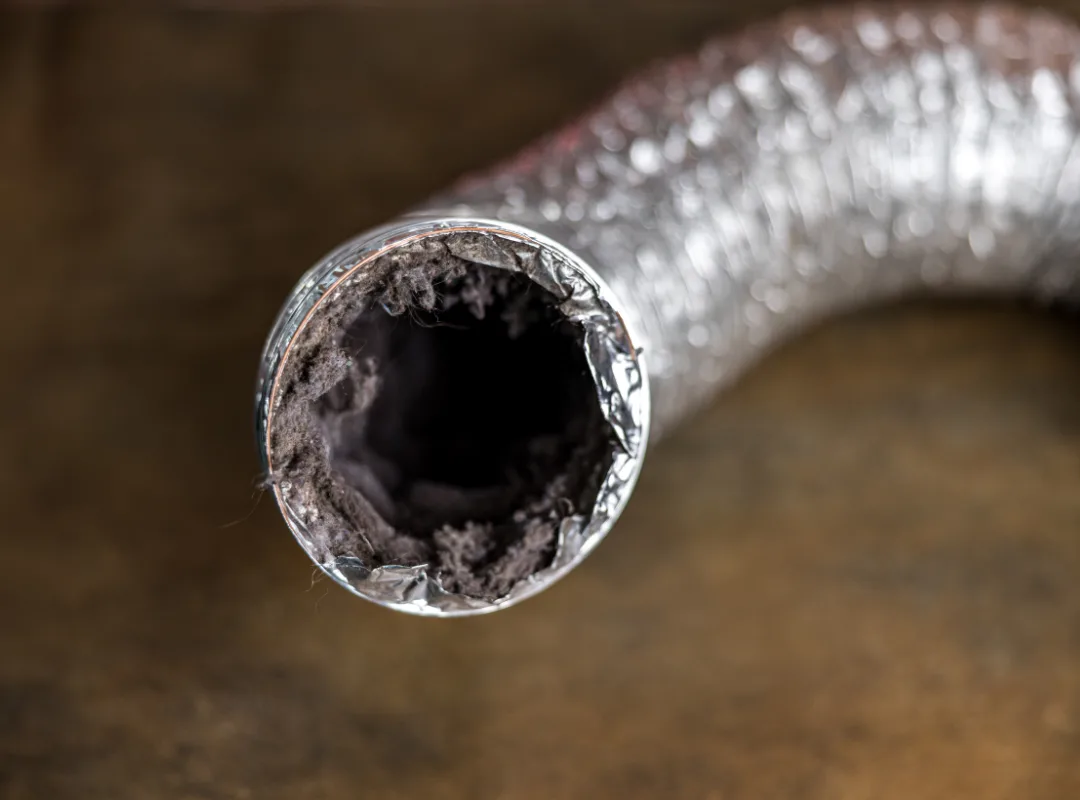
Additionally, gas models run hot and can increase fire risk when vented inside. Improper venting and lint buildup are responsible for nearly 30% of dryer fires. Building codes strictly prohibit venting gas dryers indoors. Homeowners should understand why you need regular dryer vent inspections to reduce these risks.
The exhaust path for a gas unit must route directly to an exterior wall, the ground, or the roof. There are no exceptions waiting to be made here.
Better Alternatives for Your Dryer Vent
Ideally, every house should discharge dryer exhaust to the exterior. Running your ductwork to an exterior wall is the gold standard for efficiency and safety. This pushes all the lint, heat, and moisture completely out of the house. Keeping those ducts clean is just as important, and learning about the advantages of air duct cleaning can help maintain long-term performance.
If an exterior wall isn’t feasible, what are the alternatives?
Roof Venting
You can route the duct up through the attic—the space found directly below the roof of your house. Make sure the pipes in the attic are properly insulated (covered with materials to prevent heat loss or moisture condensation) so the moist air doesn’t freeze or condense before it reaches the exit.
Heat Pump Dryers
If installing a proper vent is impossible, consider a ventless heat pump dryer. A heat pump dryer is a type of clothes dryer that doesn’t require venting to the outdoors. They pull air from the room, heat it, and condense the water into a tank. They are highly efficient and completely eliminate the need for an exhaust duct.
If you are forced to use the garage temporarily, you must keep the space well-ventilated. Leave the garage door open during the dryer cycle to let the moist air escape. Also, consider running a dehumidifier to remove excess moisture.

Keep Your System Maintained with Green Street HVAC
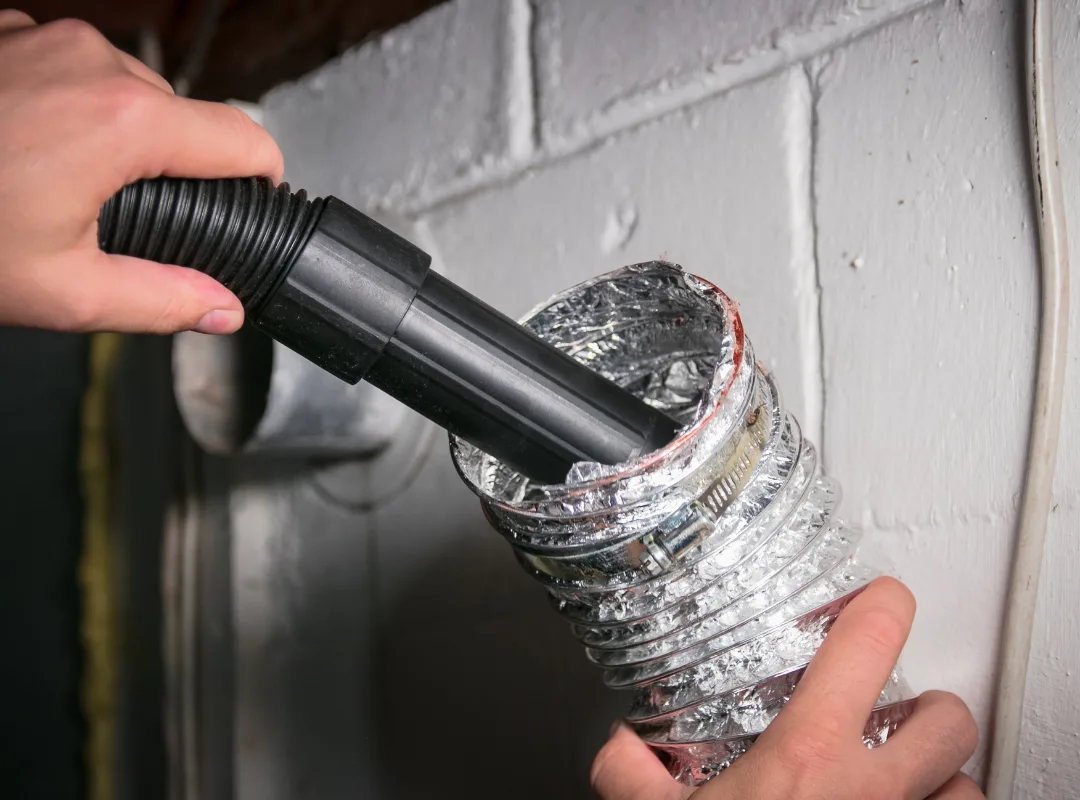
How you vent your appliance impacts your home’s safety, efficiency, and comfort. Cleaning a dryer venting system can pose serious risks and create a mess. For issues like poor airflow, mold, or humidity, seek professional advice from Green Street HVAC.
Contact Green Street HVAC at 615-788-4329 or visit us at 15 North Walnut Street, Springfield, TN 37172. Upgrade your home’s ventilation and enjoy safer, more comfortable living!
Frequently Asked Questions (FAQs)
1. Can you vent a dryer into a garage in Nashville homes?
While it is physically possible for an electric dryer, Green Street HVAC strongly advises against it. Venting a dryer into a garage introduces excessive moisture and lint into the space. This can lead to mold growth and code violations in Nashville. Venting to the true exterior is always the safest option.
2. Why is my garage so wet when my clothes dryer runs?
When you vent inside, your clothes dryer is pumping all the water vapor from your wet laundry directly into the garage. In colder weather, this hot, humid air will immediately condense on cooler surfaces, such as windows and walls. Over time, this persistent condensation leads to structural damage.
3. Is it safe to vent a gas dryer into my attached garage?
Absolutely not. Gas dryers emit carbon monoxide, which is a deadly, odorless gas. Venting a gas appliance into an attached garage is a massive safety concern, a severe fire hazard, and a direct violation of building codes. The exhaust must be discharged to the exterior.
4. How can I fix my dryer vent routing in Franklin?
If your current setup discharges into the garage or attic (the space under the roof), you need a professional to reroute it. At Green Street HVAC in Franklin, we can install a properly insulated (protected to prevent heat loss) straight duct that exits through an exterior wall or roof. This ensures proper airflow and keeps your Franklin home safe from fire hazards.
5. Does lint buildup really cause fires in Hendersonville homes?
Yes, it definitely does. Lint is extremely flammable. If your duct or filter is clogged with lint buildup, the heat from the dryer cannot escape. This trapped heat can easily ignite the lint. Regular cleaning and proper exterior venting are the best ways to protect your Hendersonville home from dryer fires.