What Is an Air Conditioner Coil
An air conditioner depends on several components to cool indoor spaces, and one of the most important parts is its coil. Knowing what an air conditioner coil is helps you better understand how cooling systems operate and why regular professional maintenance matters. Let’s walk through it.
What Is an Air Conditioner Coil In An HVAC System
Coils are responsible for moving heat in and out of a building, allowing an air conditioning system to create a cooler indoor environment during hot summer weather.
When you discuss an air conditioner coil, the term usually refers to the two main coils in an HVAC system.
- The evaporator coil
- The condenser coil
Both of these components work together during the air cooling process.
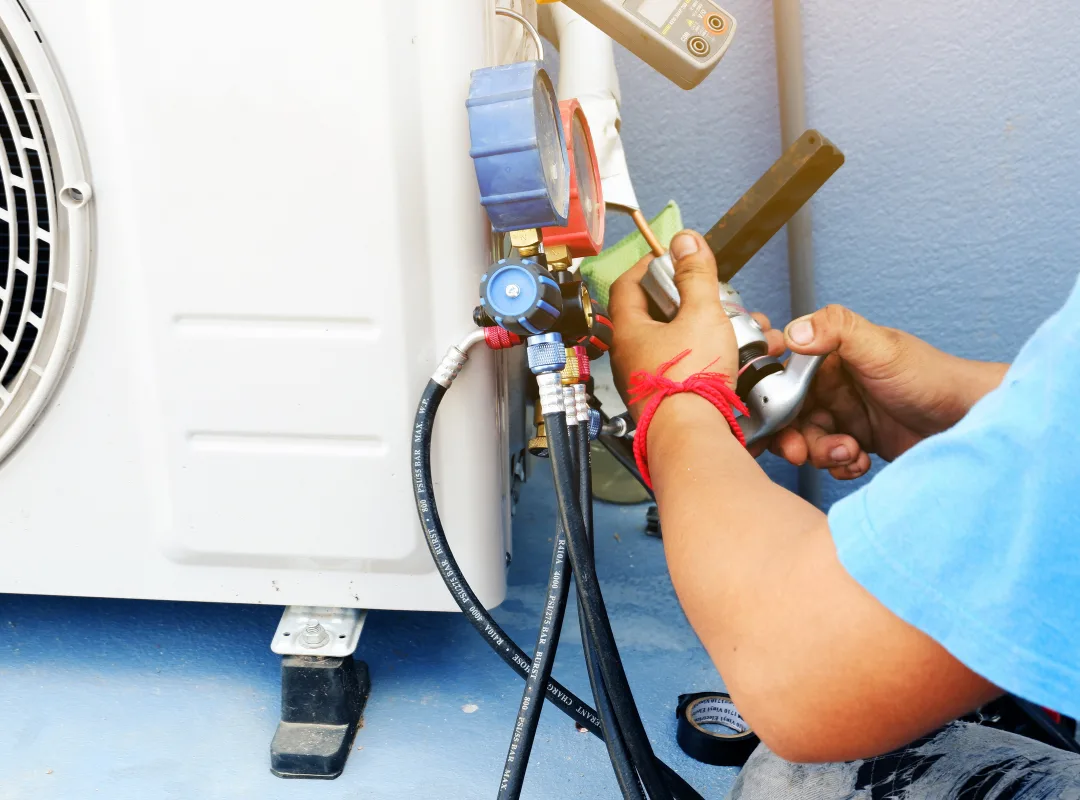
The evaporator coil is usually installed inside the home near the air handler or furnace section of the HVAC system. And the condenser coil is located in the outdoor unit.
Together, these air conditioner coils support the cooling cycle by moving heat from indoor areas of your home or office to the outside environment.
Both HVAC coils are important for proper cooling performance. If either coil becomes damaged or dirty, the entire air conditioning unit may struggle to cool your space properly.
How the Evaporator Coil Works
The AC evaporator coil plays a main role inside any cooling system. The evaporator coil located inside the indoor section of the system makes refrigerant circulate through metal tubing. As warm air moves across the coil, the refrigerant inside the tubing becomes cold and absorbs heat from the air. This process is one of the ways an air conditioning system cools a home. During operation, the refrigerant absorbs heat from indoor rooms and transfers that heat outside through the cooling cycle.
Many people ask how the AC evaporator coil works inside a home. The answer is tied to heat exchange. This is how it works:
- The refrigerant inside the coil collects heat from the air
- This cools the airflow before it circulates back into your home or commercial space
The indoor coil also helps manage humidity levels inside your home. As warm indoor airflow passes across the coil, moisture collects on the surface and drains away through the system.
The Condenser Coil In An Air Conditioning Unit
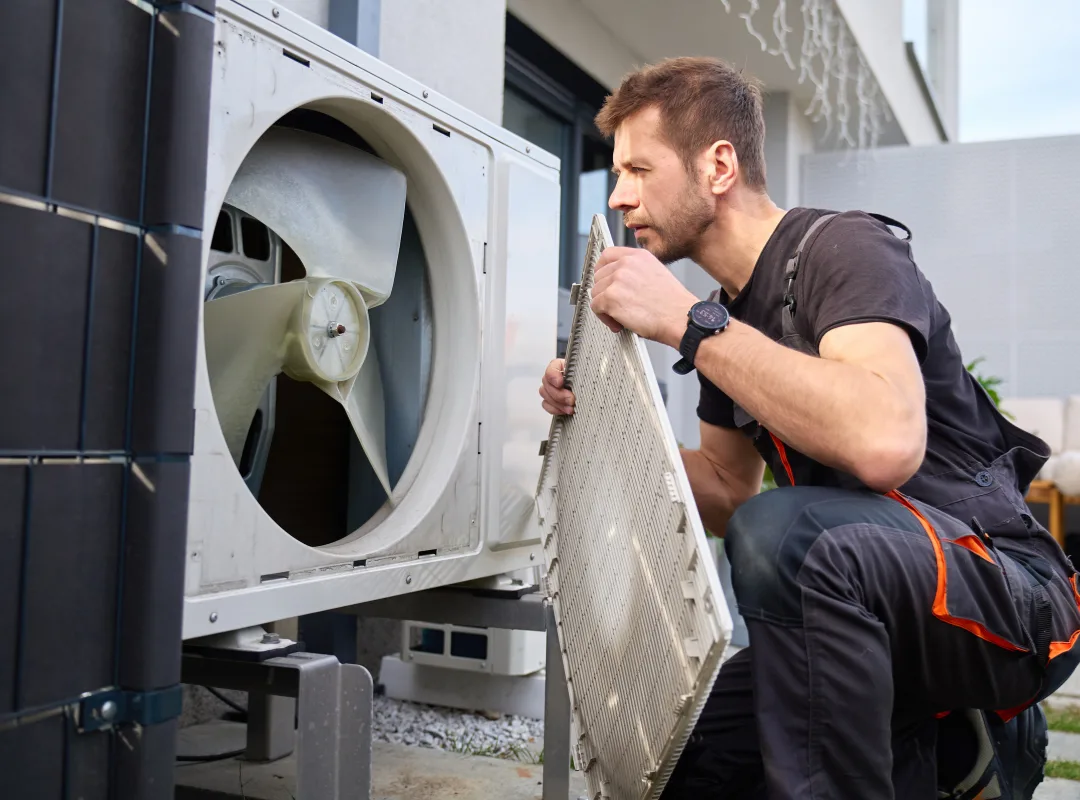
While the evaporator coil handles indoor cooling, the condenser coil handles heat release outside your home. This coil is installed in the outdoor unit of your central air conditioning system.
After the refrigerant travels through the indoor section and gathers heat, it moves to the outdoor portion of your cooling system. The outdoor condenser coils then release the heat that is collected into the outdoor air. This cycle repeats while the cooling system operates.
The movement of heat between the indoor and outdoor sections is called heat exchange. Without proper heat transfer, the cooling process becomes less reliable and may increase strain on the equipment.
The condenser coil works alongside compressors and fans for cooling performance. Clean coils allow heat to move out of the system more easily, helping the unit maintain comfortable indoor conditions.
Why Air Conditioner Coils Matter
Remember that the condition of AC coils can influence:
- Cooling performance
- Airflow
- Energy usage
Dirty or damaged coils can make an air conditioning unit work harder. A dirty evaporator coil restricts airflow, reducing cooling output. Dirt buildup can also interfere with efficient heat transfer, making the cooling cycle less consistent.
When coils become blocked with debris and dust, your HVAC system may run longer to cool indoor areas, which can contribute to higher energy bills.
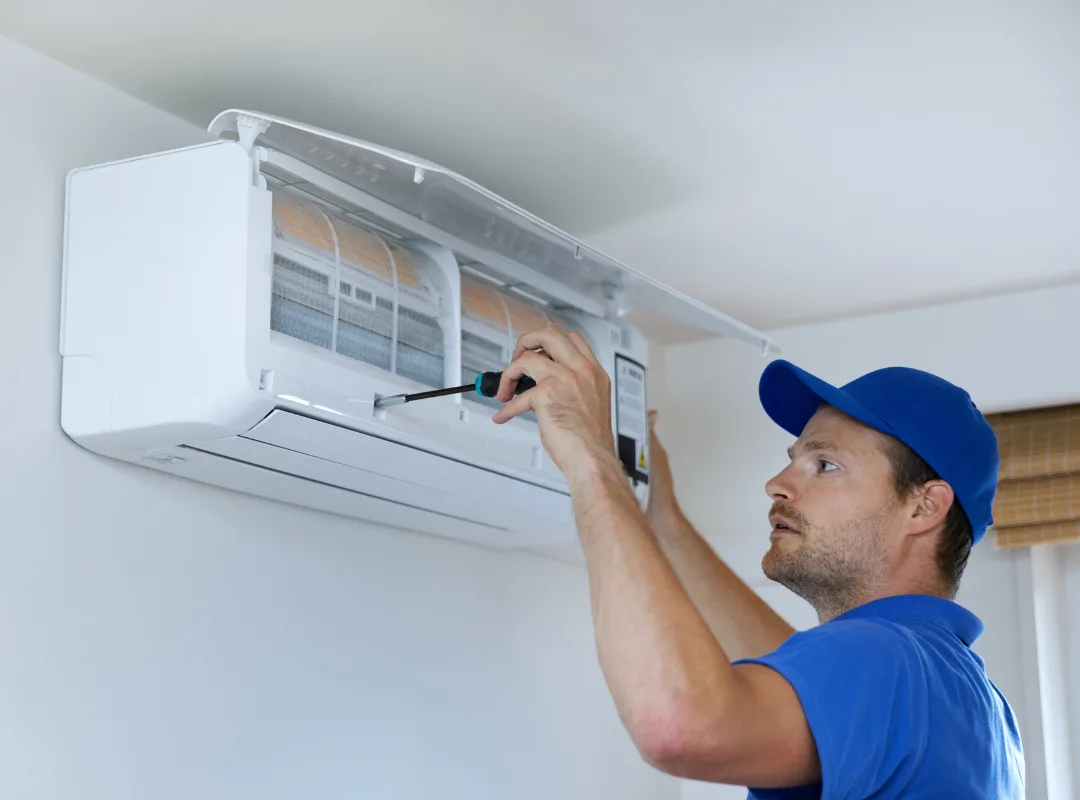
Regular inspection and cleaning of air conditioner coils by professionals keeps the cooling process operating perfectly. You should schedule seasonal maintenance to inspect both indoor and outdoor coil components.
Difference Between HVAC Coils & Heat Pump Coils
Many homeowners wonder how heat pump equipment compares to standard cooling systems. A heat pump system uses coils similar to those that are found in traditional cooling equipment.
Both systems include indoor and outdoor coils that move heat between indoor and outdoor environments. The real difference is that a heat pump can reverse the cooling cycle to provide heating during colder months.
Like a standard air conditioning system, a heat pump system relies on proper airflow and clean coils for the best performance. Dirty or damaged HVAC coils can affect both cooling and heating functions.
Signs of Coil Problems in an Air Conditioning System
Problems involving the AC evaporator components or outdoor coils can cause less comfort inside your home.
All these together may point to issues involving the coil system.
- Reduced airflow
- Uneven cooling
- Frozen coils
- Rising energy bills
A dirty evaporator coil can sometimes lead to ice buildup, and the main culprit is the restricted airflow. Outdoor coil problems may reduce the ability of the system to release heat properly. In either case, your cooling equipment may struggle to maintain comfortable indoor temperatures.
Inspections by HVAC professionals in your area will identify damaged or clogged coils before more serious issues develop. Some systems may require cleaning, while others may need just evaporator coil replacement if damage becomes severe.
When Evaporator Coil Replacement May Be Needed
In some cases, cleaning alone may not solve air cooling problems. There are lots of things involved, such as corrosion, leaks, or damaged tubing, and they may require evaporator coil replacement.
Refrigerant leaks inside the AC evaporator coil can affect cooling performance and place extra strain on the system.
Replacing the indoor coil may restore proper cooling operation if the existing component can no longer function properly.
HVAC technicians inspect the system to determine if repairs or replacement services are needed.
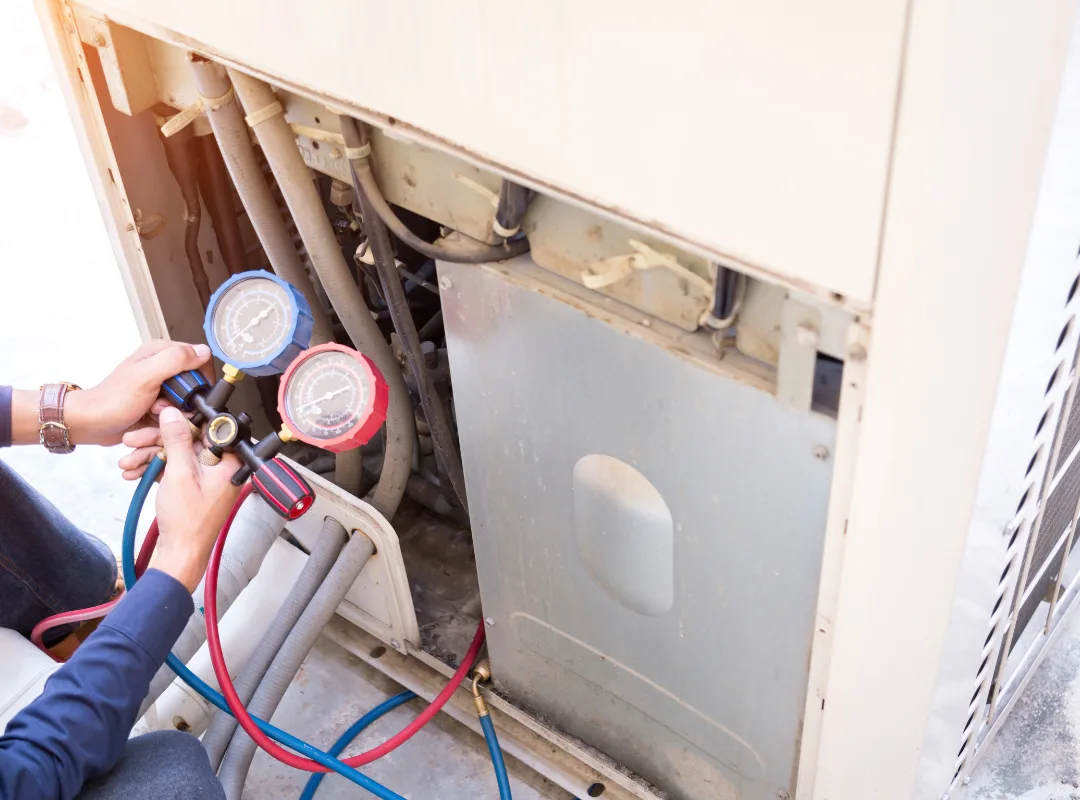
Proper HVAC installation and maintenance give the best performance of both indoor and outdoor cooling components. Keeping coils clean and maintaining good airflow may help reduce unnecessary strain on the system.
Wrapping Up
Knowing what an air conditioner coil is helps you learn how cooling systems manage indoor comfort during warm weather. The condenser coil and evaporator coil work together to move heat through the cooling cycle.
As the refrigerant absorbs heat from indoor airflow, your home cooling system transfers that heat outside through the outdoor unit. Clean and properly functioning air conditioner coils give the best cooling performance, airflow, and indoor comfort.
Remember that regular maintenance and inspections from professionals can help identify issues involving HVAC coils, airflow restrictions, or damaged components before cooling performance declines.
Call Green Street HVAC for Air Conditioner Coil Services
Experiencing cooling issues with your air conditioning unit in Springfield, Tennessee? Contact Green Street HVAC for professional service.
We provide AC Repair, HVAC Maintenance, Heat Pumps, Duct Cleaning, and AC Installation services for residential and commercial properties.
Coil inspections, airflow evaluations, and cooling system maintenance keep your air conditioning system operating properly during hot weather.
Call our AC repair experts today to schedule service with Green Street HVAC.
Frequently Asked Questions
The evaporator coil is the indoor component that cools air by allowing refrigerant to absorb heat from the indoor airflow inside your AC system.
The evaporator coil, located in the indoor section of your air-cooling system, is usually installed near the furnace or air handler.
The condenser coil releases collected heat into the outdoor air through the outdoor unit during the cooling cycle.
Yes, dirty AC coils can reduce airflow and cooling performance, causing your air conditioning system to run longer and increasing energy bills.
Yes, Green Street HVAC provides AC Repair, HVAC Maintenance, and AC installation services in Springfield, Tennessee, and all the nearby areas.