Covid-19 Response: Green Street is committed to protecting your health and safety. Learn More
Best Backup Heating Options for Heat Pumps
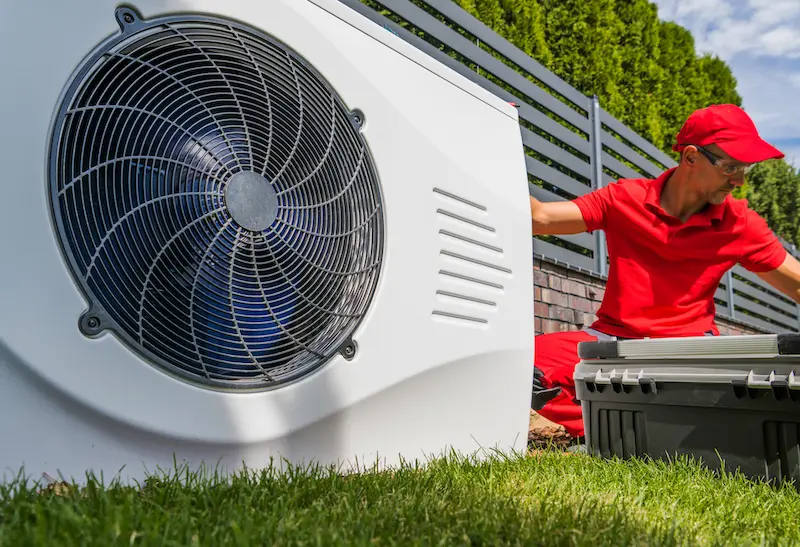
Heat pumps are a favorite in today’s homes, offering both cooling and heating in one sleek package. Yet, when winter’s chill sets in, even the most advanced systems can be pushed to their limits. That’s why many homeowners seek out the best backup heating options for their heat pumps. Since heat pumps draw warmth from the outdoor air, they can struggle to keep your home warm and cozy when temperatures plunge. In these moments, a reliable backup heating system becomes essential. Let’s talk more about this topic.
How Heat Pump Efficiency Changes in Cold Weather
Heat pump efficiency depends heavily on outdoor conditions. In mild weather, these systems operate with very low power use. During cold weather, the heating system must work harder to extract heat.
As outdoor temperatures drop, available heat decreases. This leads to longer run times and reduced output. In cold climate areas, this shift is more noticeable, making a backup heating option necessary for comfort.
An electric heat pump can still operate in cold conditions, but output declines as temperatures drop further.
Why Backup Heat Is Part of a Complete Heating System
A modern heating system generally includes a backup heating system that supports your heat pump during extreme winter conditions. This setup helps manage the heating load when outdoor air no longer provides sufficient heat.
A backup system also becomes useful during :
- Power outages
- Maintenance needs
- Unexpected performance limits
Many systems switch to backup mode automatically when needed.
24 Hours a Day, 7 Days a Week.
Electric Resistance as a Backup Heat Source
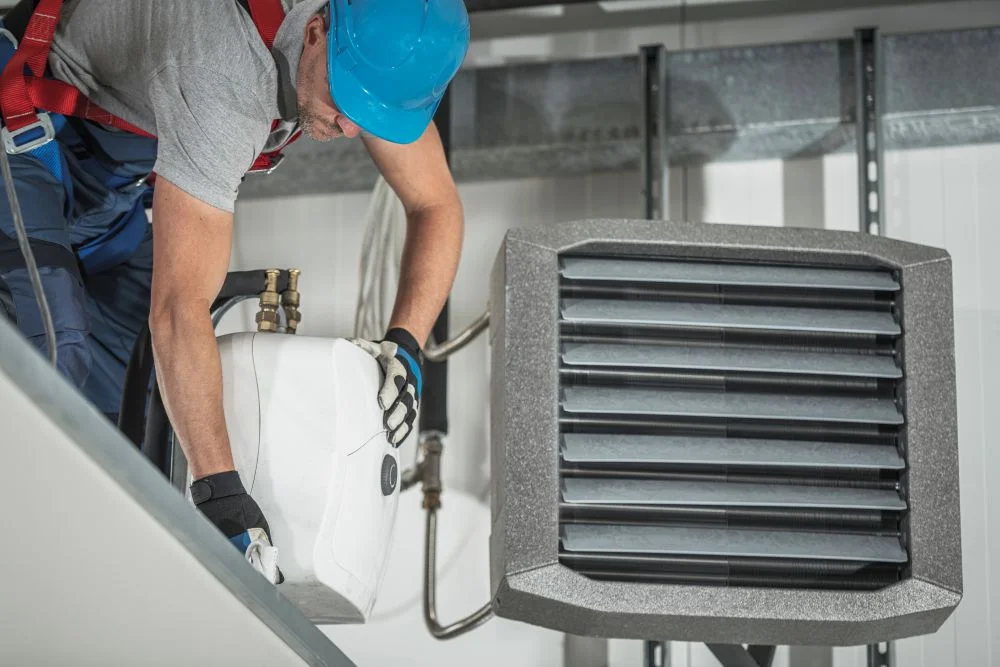
One common backup heat source is electric resistance heat. This method uses heating elements to generate warmth directly.
Electric resistance is generally built into the air handler during heat pump installation. It activates when outdoor conditions drop below a set point.
While this method produces quick heat, it uses more electricity than the heat pump. Still, it remains a reasonable backup heating system due to its simple design and its compatibility with many homes.
Electric Furnaces for Supplemental Heat
Electric furnaces provide homeowners with another form of supplemental heat. These systems use electric elements to deliver steady warmth during colder days.
Electric furnaces work well in areas without access to fuel lines. They also pair easily with an existing electric heat pump.
Though electricity use is higher, this option maintains comfort when cold conditions exceed the heat pump’s limits.
Gas Furnace Backup Heating Option
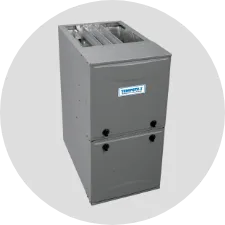
A gas furnace is one of the most popular options for backup heat. Homes with natural gas access generally choose this option for strong heat output.
Gas furnaces handle high demand during severe cold months. They perform well when the outdoor temperature drops below the level at which heat pumps operate efficiently.
This option suits homes that already rely on natural gas for other appliances.

Dual Fuel Systems Explained
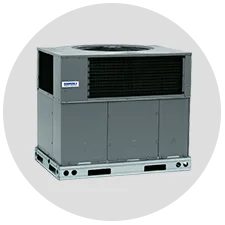
Dual fuel systems combine a heat pump with a gas furnace. The heat pump handles mild conditions, while the gas furnace activates during harsh, colder weather.
This setup offers flexibility and strong performance in cold-weather conditions. The system also switches automatically based on outdoor readings.
Dual-fuel systems provide comfort without relying on a single heating method.
LOOKING TO REPAIR, REPLACE OR UPGRADE?
Our experts can walk you through every step of the way, from prospected which tailored solution would be best for you, to installing and maintaing it…
Using an Existing Gas Furnace as Backup
Some people already have an existing gas furnace in place. In these cases, the furnace can serve as a great backup heating system without major structural changes.A Gas Furnace has less installation complexity and allows you to retain familiar equipment. The furnace handles extreme conditions while the heat pump manages regular heating needs.Wood Stove as a Backup Heating Device
A wood stove offers a non-electric backup heating option for your home. It works independently from the main HVAC setup and can be really helpful during power outages.Wood stoves give you strong heat output and suit rural or off-grid homes. They require manual operation and proper ventilation, but they offer reliability when other heating systems are unavailable.This method is less common in urban settings but remains useful in certain environments, such as rural areas.Backup Heat During Power Outages
Power loss affects most electric heating systems. During power outages, a backup heating method that does not rely on electricity can actually maintain comfort.Gas furnaces with standing pilots or wood stoves can continue operating in these situations. Planning for outages gives you indoor comfort during winter storms.Heating Load & System Sizing
The heating load of a home determines how much heat is needed during cold conditions. Proper sizing helps the backup heating system perform as expected.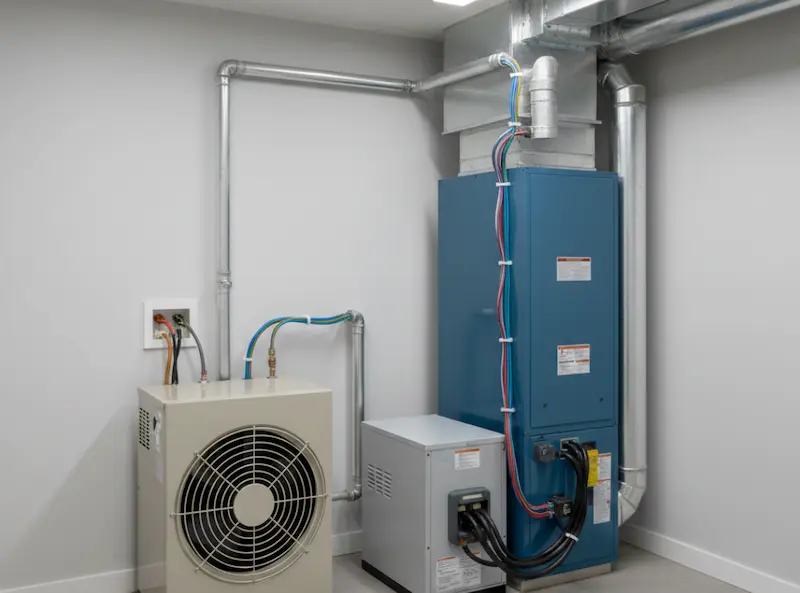
Cold Climate Heat Considerations
Homes in cold climate regions need stronger backup solutions. Cold climate heat strategies generally combine heat pumps with fuel-based systems. This setup gives you comfort when outdoor conditions push systems beyond standard performance levels.
Choosing the Best Backup Heating Option
Choosing the best backup heating option comes down to a few key factors:
- Availability of the fuel
- Climate
- Existing equipment
Residential properties with gas availability generally benefit from furnace-based heating systems.
Electric-only homes may rely on electric furnaces or on electric resistance heating. In rural areas, wood stoves remain a practical choice.
Each option supports the main heat pump in different ways.
Conclusion
Heat pumps provide reliable comfort in many conditions, but colder temperatures affect system performance. Knowing the best backup heating options for heat pumps helps you plan for the demands of chilly winter months.
From electric resistance to dual-fuel systems, each solution supports comfort as outdoor temperatures drop. A setup that is well-planned balances energy efficiency with reliable warmth.
Picking the right backup approach helps your heating system perform confidently through changing weather.
Call Green Street HVAC for Backup Heating Solutions
If you are planning a heat pump installation or upgrading a backup heating system, Call Green Street HVAC for professional support. Our team provides Heat Pumps, Furnace Repair, Furnace Installation, HVAC Maintenance, and Thermostat Repair and Installation. We also offer HVAC Preventive Maintenance through our Comfort Club.
Call us today to discuss reliable heating options for your home.
Frequently Asked Questions
Why do heat pumps need backup heat?
A heat pump can lose output during cold weather, making backup heat valuable when outdoor temperatures drop.
What is the most common backup heating system?
Electric resistance and gas furnaces are common backup heating system choices for residential homes and sometimes for small commercial properties as well.
Are dual-fuel systems good for cold climates?
Yes. Dual fuel systems combine a heat pump and a gas furnace to handle cold-weather heat demands.
Can I use my existing gas furnace as backup heat?
Yes. An existing gas furnace can serve as a backup heat source for a heat pump.
Does Greenstreet HVAC install backup heating systems in Springfield, Tennessee?
Yes. Greenstreet HVAC provides heat pump and backup heating services in Springfield, Tennessee, and nearby areas.

Proud To Be Your No. 1 HVAC Company

Quality
From the way we insulate our ductwork, to the running of the copper refrigeration pipe – our quality is like no other. We spend as much time as we need to insure that our jobs are done perfect. When choosing Green Street you know the job will be done right – on time – and always within your budget.

All Makes & Models
Green Street’s certified technicians are experienced and trained to service, maintain, install and repair all makes and models of commercial air conditioning & heating equipment.

Expertly Trained
Each one of our lead technicians have years of experience in all aspects of HVAC service in Nashville. It is mandatory for each technician to complete a full in house training calendar to insure that they are up to date on the latest residential air conditioning & heating equipment.
24 Hours a Day, 7 Days a Week.