Are Indoor Dryer Vents Safe?
When you set up your laundry room, figuring out the exhaust path for your dryer might not be your first thought. But where that hot air and water vapor go is a huge deal. Properly routing your dryer vent system optimizes air flow and prevents moisture problems. However, you might find yourself in a situation where external venting isn’t easily accessible.
So, are indoor dryer vents safe? The short answer is: it depends on your setup, the type of dryer, and how much maintenance you’re willing to commit to. We have broken down everything you need to know about venting your clothes dryer indoors. By the end of this guide, you’ll be able to decide on the best setup for your household.
What is a Dryer Vent System?
Every time you run a dryer cycle, the machine heats up to dry your clothes. This process creates moist air and lint particles. To understand how this buildup affects your home over time, read more about the advantages of air duct cleaning.
A conventional dryer needs to push this damp air out to keep the clothes drying efficiently. Usually, this means running a dryer duct through an exterior wall or out the roof. But what if you live in a confined space or an apartment without an external vent? Many people turn to an indoor vent kit.

These indoor venting systems use a water trap or lint filter to catch debris while releasing warm air back into your living space. The benefits? In dry climates, the extra humidity and heat can slightly lower heating costs in winter. Plus, they are relatively cheap and easy to install for an electric dryer.
Are Indoor Dryer Vents Safe for an Electric Dryer?
Yes, they can be, but only under specific conditions. If you must vent indoors, you can only do this with an electric dryer. You will need an indoor dryer vent kit, which typically consists of a bucket-like water trap or a filtration system that attaches to the dryer exhaust. You fill it with a little water to catch the lint.
It sounds simple enough. But you have to be vigilant. This setup pumps all the water vapor from your wet clothes directly into your indoor air. Over time, this significantly raises indoor humidity levels. If your laundry room lacks good ventilation, this damp air seeps into building materials and wall cavities. The results? Mildew growth, mold spores, and musty smells.
If you’re considering alternatives or safer setups, it’s worth reviewing dryer venting options and what to know before installation.
Why is Dryer Vent a Huge Fire Hazard?
Here is a non-negotiable rule: never use an indoor dryer vent with a gas dryer. Why? Gas dryers produce carbon monoxide during combustion. If you vent a gas unit inside, that deadly, odorless gas has nowhere to go but into your living space.
Plus, gas models get incredibly hot. Pumping that much hot air into confined spaces creates a severe fire hazard. Building codes strictly prohibit venting gas clothes dryers indoors. The entire vent system for a gas unit must route directly to an exterior wall or roof. There are no exceptions.
Understanding why you need regular dryer vent inspections can help reduce serious risks.
How Dryer Air Impacts Air Quality & Moisture
Let’s talk about indoor air quality. Even with the best indoor vent kit, some fine lint particles will escape the lint screen and lint trap. When these particles mix with humid air, they settle on surfaces and get pulled into your HVAC duct system.
Over time, restricted airflow from hidden lint buildup forces your system to work harder. The combination of warm air and increased humidity creates a breeding ground for mold and mildew. Mold growth not only ruins walls but seriously tanks your air quality.
Green Street HVAC often sees homes where moisture control has been completely neglected due to improper dryer systems, leading to duct cleaning and HVAC repairs.
Heat Pump Dryers: A Better Alternative
If you don’t have access to an outdoor vent, consider a heat pump dryer instead of a traditional vented electric dryer. Heat pump units are ventless. They pull air from the room, heat it, pass it through the clothes, and then cool it to extract the water. The water goes into a drain or a collection tank.
They are incredibly energy efficient and completely eliminate the need for an exhaust path or an indoor vent. Plus, they don’t dump damp air into your home, avoiding the moisture problems and safety concerns entirely.
Maintenance Tips for Dryer Vents
Venting indoors is generally frowned upon or outright banned in many municipalities due to the fire hazard posed by hidden lint buildup. In fact, nearly 30% of home dryer fires are caused by a failure to clean the lint screen and vent system.
If you absolutely must use an indoor vent kit for a short period, follow these strict maintenance tips:
- Check and clean the lint trap inside the dryer before every single load.
- Clean the indoor vent kit’s water trap or filtration system after every use.
- Keep the laundry room well-ventilated. Open a window or run an exhaust fan to manage the persistent moisture.
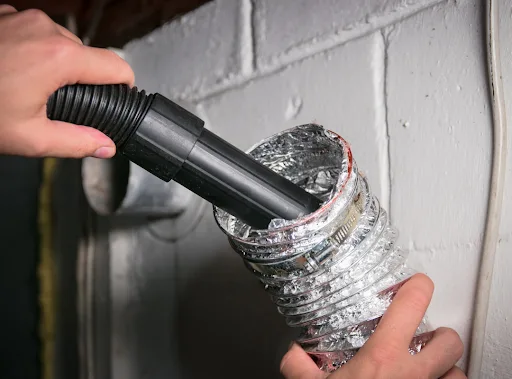
- Vacuum the dryer duct regularly to remove hidden lint buildup.
Keep Your Air Fresh with Green Street HVAC
Ultimately, the way you vent your dryer directly impacts comfort, efficiency, and the lifespan of your HVAC system. The key takeaway? Venting a dryer indoors comes with serious risks. If you are struggling with poor indoor air quality, mold spores, or extra humidity from your dryer systems, professional advice is the safest route.
Green Street HVAC offers expert indoor air quality and duct services to keep your home healthy. We’ll find the issue, fix it right the first time, and make sure your home breathes easier. Don’t let restricted airflow or moisture control issues ruin your comfort. Contact Green Street HVAC at 615-788-4329.
Frequently Asked Questions (FAQs)
1. Are indoor dryer vents safe to use in Nashville homes?
Yes, but only for an electric dryer and with proper maintenance. However, at Green Street HVAC, we strongly advise against using them long-term due to the increased risk of mold growth and extra humidity. Venting to the outside is always the safest bet.
2. Can I use an indoor vent kit with a gas dryer?
Absolutely not. Gas dryers emit carbon monoxide, which is deadly. Venting a gas clothes dryer indoors is a massive safety concern, a fire risk, and a direct violation of building codes. Always use external venting for gas units.
3. Why is my laundry room so humid when my dryer runs?
If you vent indoors, your dryer is pumping all the water vapor from your wet clothes directly into your living space. This damp air causes moisture problems and condensation. A heat pump dryer or running a vent to an exterior wall will solve this.
4. How often should I clean my indoor dryer vent in Brentwood?
If you have an indoor venting system in your Brentwood home, you need to clean the lint filter and water trap after every load. Regular maintenance prevents lint buildup, which restricts airflow and creates a major fire hazard.
5. Can poor dryer venting affect my home's air quality in Clarksville?
Yes, it definitely can. Improper venting allows humid air and fine lint particles to enter your home. This combination often leads to mold and mildew growth, which gets pulled into your HVAC system. If you suspect your air quality is suffering, call Green Street HVAC in Clarksville for a thorough inspection.