Covid-19 Response: Green Street is committed to protecting your health and safety. Learn More
What Is the Best Month to Buy an HVAC System?
The best month to buy an HVAC system is generally early fall, particularly September or October, when demand for heating and cooling equipment may be lower than during peak summer and winter periods. You can buy during this period, as it offers flexible scheduling and may make it easier to compare equipment and installation options. However, waiting for any specific month is not always practical if your existing unit is failing or requires frequent repairs.
Why Early Fall Can Be a Good Time to Buy an HVAC System
The HVAC industry experiences seasonal changes in demand. During the hottest part of summer, many homeowners need immediate air conditioning maintenance, repairs, or replacement. During the coldest part of winter, demand for heating equipment can rise.
Early fall sits between these major seasonal peaks in many regions. If you have to replace an HVAC system during this period, you may find HVAC contractors have more availability for consultations and installations. This can provide flexible scheduling compared with periods when technicians are handling a high volume of emergency service calls.
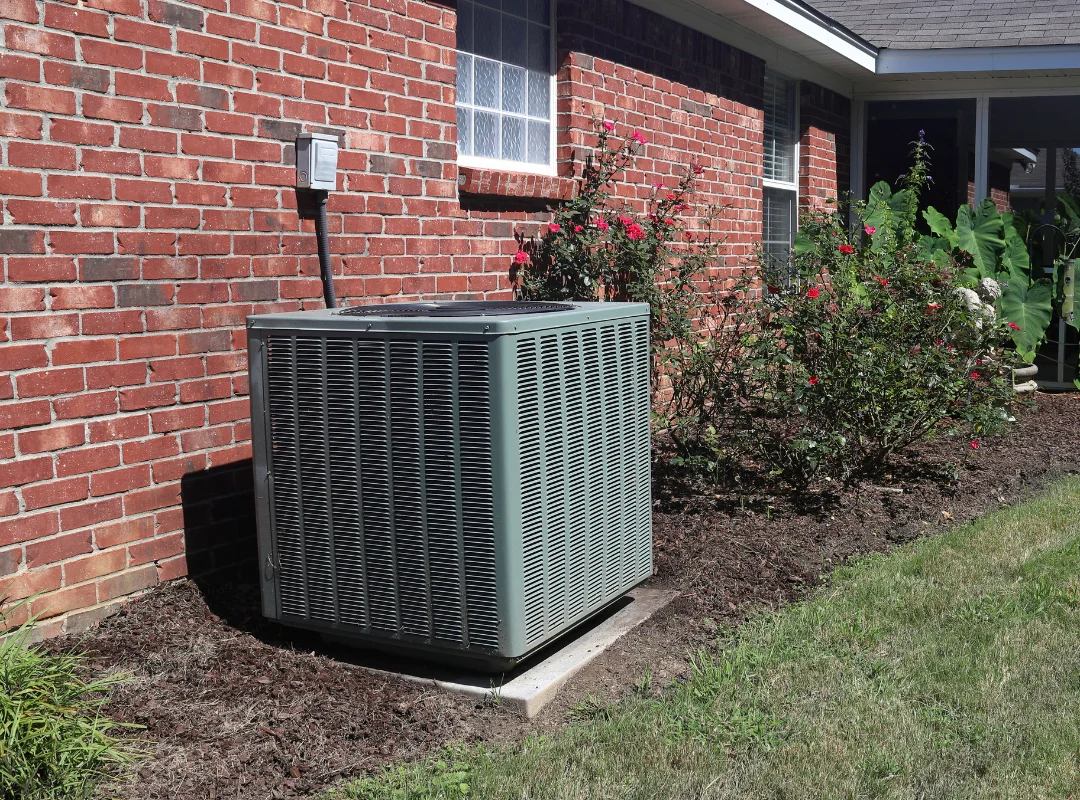
Fall also gives you an opportunity to fix an aging system before winter arrives. If the same HVAC unit provides both heating and cooling, replacing it before the next major season can be more convenient than waiting for an unexpected breakdown.
Are HVAC Prices Lower at Certain Times of the Year?
The timing of AC unit prices and HVAC equipment promotions can vary by contractor, manufacturer, location, and inventory. There is no universal month when every HVAC unit becomes cheaper.
HVAC Manufacturers and dealers may offer manufacturer rebates at different times of the year. Seasonal promotions can also appear when companies are clearing older inventory or introducing updated equipment.
24 Hours a Day, 7 Days a Week.
Should You Buy a New HVAC System Before It Breaks?
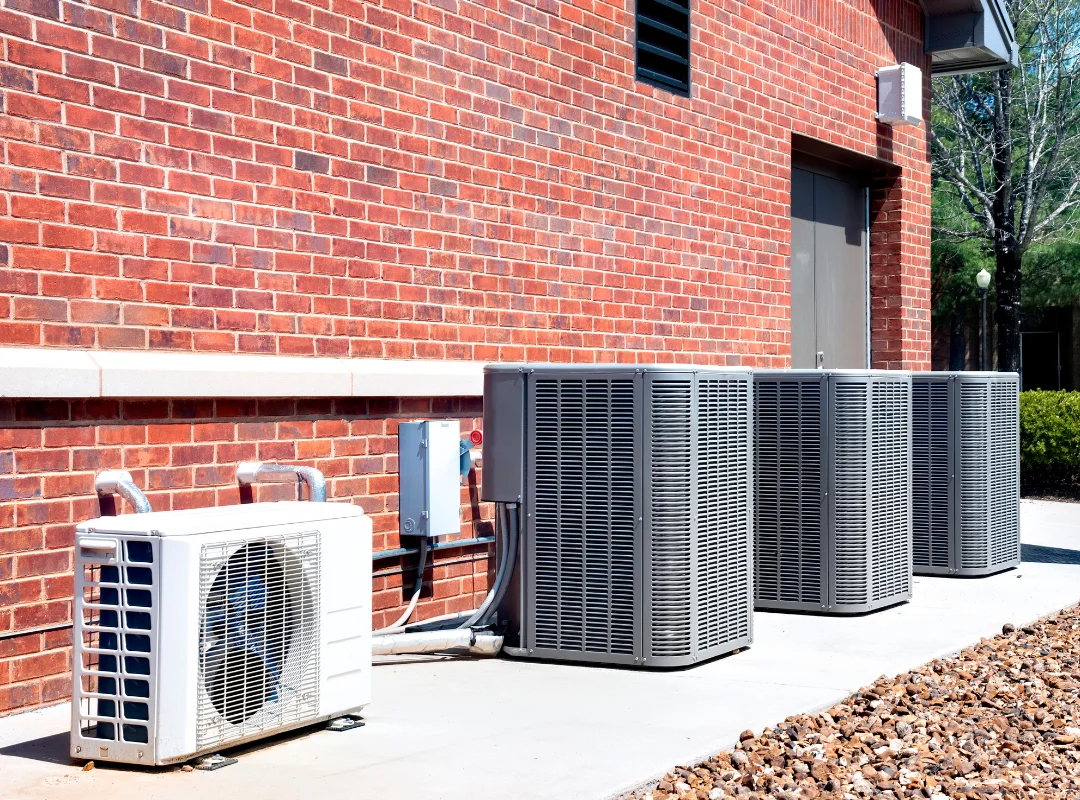
Replacing your HVAC system before a major failure can give you more time to research equipment and schedule installation. By contrast, an emergency replacement can require a much faster decision.
An older air conditioner that requires frequent repairs may become increasingly difficult to justify if repair costs continue to rise. The same applies to an aging heating system that struggles to maintain indoor temperatures.
What Is a Good Year to Replace an HVAC System?
There is no single year to replace your HVAC system that applies to every home. Many residential systems can operate for roughly 10 to 20 years, depending on:
- Equipment quality
- Installation
- Maintenance
- Usage
- Operating conditions
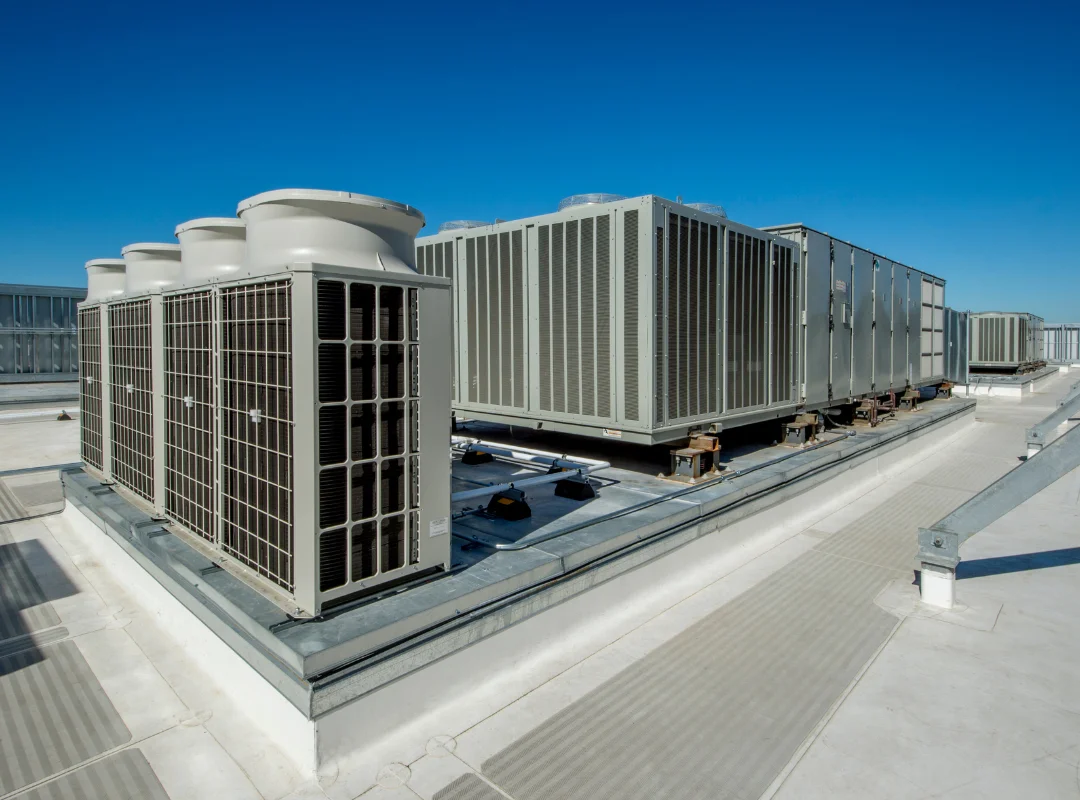
An existing unit that is approaching the later portion of its expected service life may warrant closer consideration for replacement. Age alone does not mean your HVAC system must be replaced immediately.
A newer system may also offer improvements in energy efficiency, controls, and comfort compared with older equipment. When an older system requires a major repair, comparing the cost of that repair with the price and expected operating costs of a new unit can provide useful information.
Why Summer May Not Be the Best Time to Replace an HVAC System
Summer is usually one of the busiest periods for HVAC companies because homeowners rely heavily on air conditioning during hot weather. If an AC system fails during a heat wave, replacement may become urgent.
An emergency leaves less time to compare different equipment models, HVAC contractors, installation options, and available rebates. Scheduling may also be less flexible during times of high demand.
This does not mean summer is a bad time to purchase a new HVAC. If an AC unit is failing during July or August, replacing it is necessary. The point is that if you plan, you can make decisions without the pressure associated with a sudden breakdown.
LOOKING TO REPAIR, REPLACE OR UPGRADE?
Our experts can walk you through every step of the way, from prospected which tailored solution would be best for you, to installing and maintaing it…
Why Winter Can Also Be a Good Buying Season
Winter is another useful time for researching a new HVAC unit, particularly in areas where heating demand is high. When you are not dealing with an immediate heating or cooling failure, you may have more time to compare equipment.
For systems that provide both heating and cooling, replacing the equipment during a season when the air conditioning system is not heavily used can lower disruption to summer cooling.
The availability of HVAC technicians and installation appointments varies by location and company, so you should consider seasonal demand alongside the condition of the existing equipment.
Modern HVAC Systems & Energy Efficiency
Modern HVAC systems include improvements in controls, motors, compressors, and efficiency. Depending on the age and condition of an existing system, upgrading may reduce energy consumption while providing more consistent temperature control.
However, a new HVAC system does not automatically guarantee lower energy bills. Energy consumption depends on the size of your home, insulation, thermostat settings, ductwork, maintenance, weather, and usage.
An appropriately sized and properly installed new HVAC system is an important part of achieving its rated performance. Regular HVAC service from professionals can also keep equipment operating according to manufacturer specifications.
How to Know When It Is Time to Buy a New HVAC System
Several signs may indicate that replacement is worth considering.
An air conditioner or heating system may warrant a replacement assessment if it:
- Requires frequent repairs
- Struggles to maintain the desired temperature
- Produces unusual noises
- Has reached an advanced age
High repair costs are another factor. If a major component fails on an older HVAC unit, comparing the repair expense with the cost of a replacement can make the decision clearer.
Conclusion
So the best month to buy an hvac system, early fall, particularly September or October, is often a practical choice because demand may be lower and scheduling may be more flexible.
Early fall also provides an opportunity to replace an aging system before the next major heating or cooling season. Still, the condition of the equipment, available manufacturer rebates, installation costs, energy efficiency, and local HVAC demand matter more than choosing a specific month.
Green Street HVAC: AC Installation & Maintenance in Springfield, TN
For homeowners considering a new HVAC system, Green Street HVAC offers services including AC Installation, HVAC Preventive Maintenance, HVAC Maintenance, Heat Pumps, and Thermostat Repair and Installation. Call us to discuss your home’s heating and cooling needs and replacement options.
FAQs
1.Which HVAC Lasts the Longest?
We recommend scheduling HVAC maintenance at least twaHeat pumps and central HVAC systems can usually last 10 to 20 years or more with proper installation and maintenance. Lifespan varies by equipment and usage.ce a year. Once in the spring, before the cooling season, and once in the fall, before the heating season. Regular maintenance helps improve efficiency, reduce the risk of breakdowns, extend the life of your system, and keep your energy bills under control.
2. Can HVAC Last 25 Years?
Some HVAC equipment can operate for 25 years, but that is beyond the typical service life of many modern systems. Older equipment may also have lower energy efficiency.
3. What's a Good Age for HVAC?
Around 10 to 15 years is a useful point to begin considering replacement options, particularly if repairs are becoming frequent or performance is declining.
4. What Is the Most Efficient Type of HVAC System?
High-efficiency heat pumps are among the most energy-efficient options for many homes because they transfer heat directly rather than generate it.
5. What Is the Future of HVAC?
The future of HVAC is moving toward smart controls, higher energy efficiency, heat pump technology, improved system monitoring, and equipment that uses less energy.
Proud To Be Your No. 1 HVAC Company

Quality
From the way we insulate our ductwork, to the running of the copper refrigeration pipe – our quality is like no other. We spend as much time as we need to insure that our jobs are done perfect. When choosing Green Street you know the job will be done right – on time – and always within your budget.
All Makes & Models
Green Street’s certified technicians are experienced and trained to service, maintain, install and repair all makes and models of commercial air conditioning & heating equipment.

Expertly Trained
Each one of our lead technicians have years of experience in all aspects of HVAC service in Nashville. It is mandatory for each technician to complete a full in house training calendar to insure that they are up to date on the latest residential air conditioning & heating equipment.
24 Hours a Day, 7 Days a Week.