What Are the Signs of a Cracked Heat Exchanger?

If you’ve been around furnaces long enough, you’ve probably heard this phrase: “cracked heat exchanger.” It’s one of those issues that HVAC pros take very seriously, and for good reason. A cracked heat exchanger isn’t just a repair problem. It’s a safety issue that can affect your home’s air and your family’s health. So if you’re wondering what the signs of a cracked heat exchanger are, you’re asking the right question. Let’s break it down based on what we actually see in the field.

What Does a Heat Exchanger Do?

Before we get into the warning signs, it helps to understand the role of the heat exchanger.

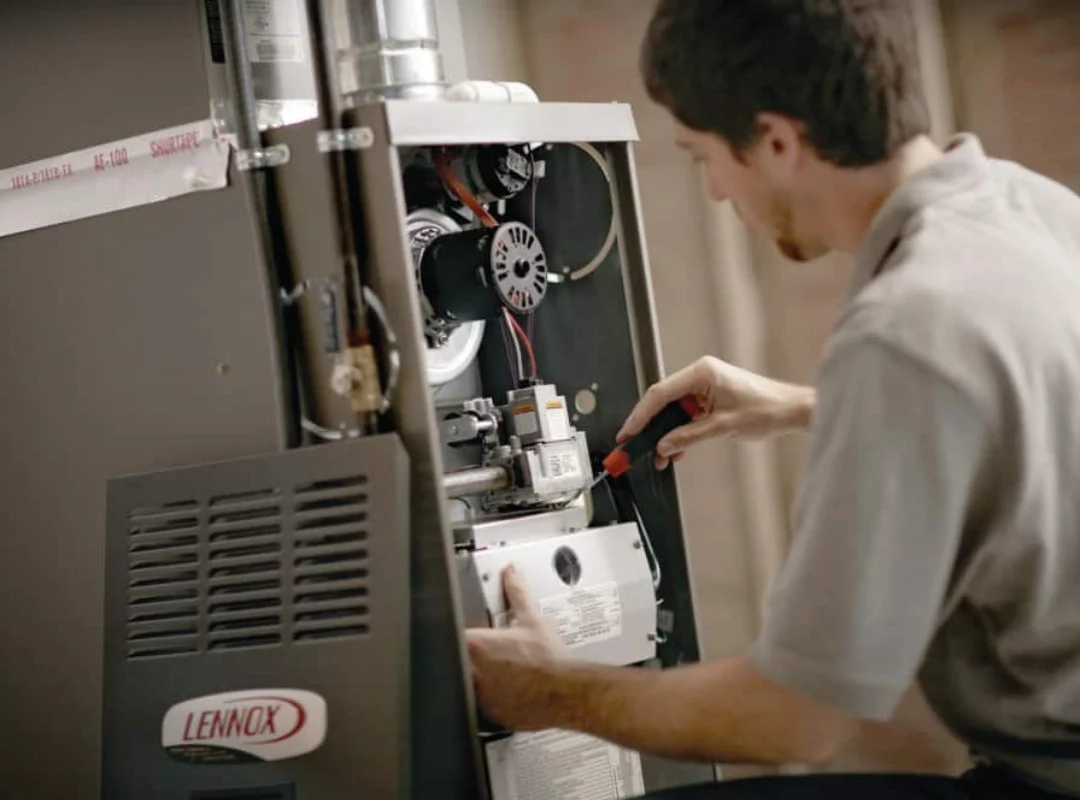
Inside your gas furnace, the heat exchanger is an essential part that separates combustion gases from the air you breathe. It’s responsible for transferring heat from the combustion chamber into the air that gets pushed through your ductwork.

In simple terms, it heats your home without allowing harmful gases like carbon monoxide to enter your indoor air. When that metal heat exchanger develops cracks, even small ones, those combustion byproducts can leak into your living spaces. That’s where the risk comes in.

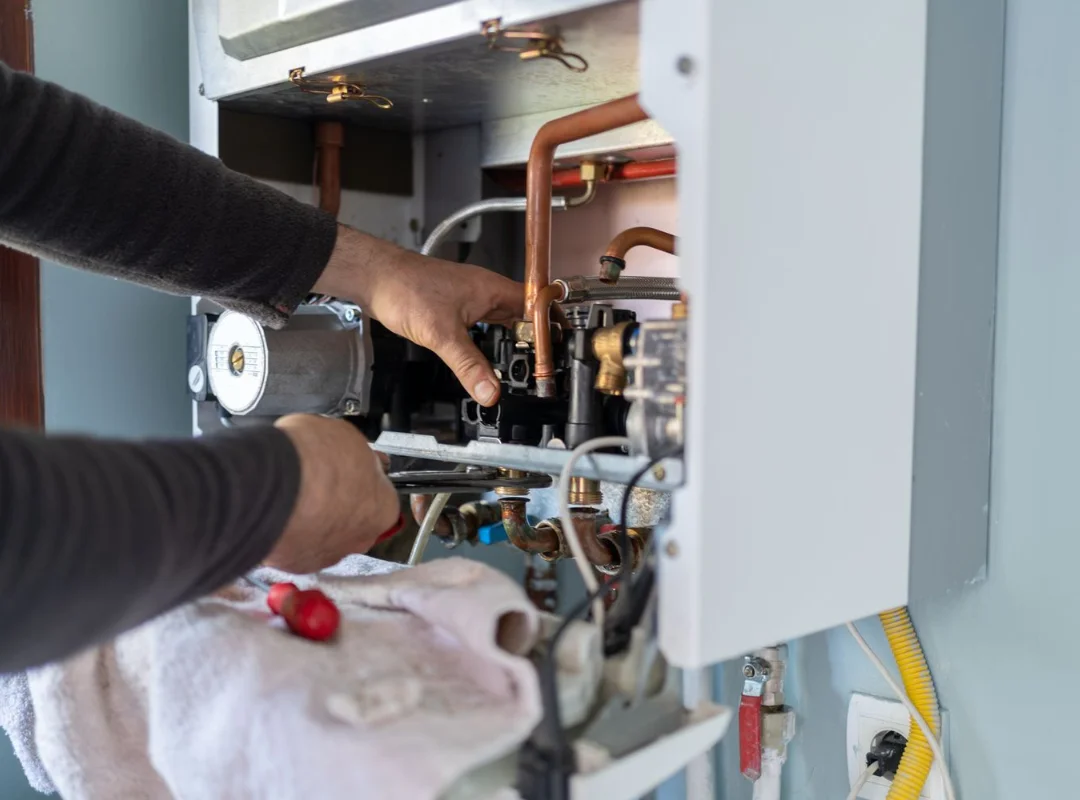
Furnace Repair Close To Me
What Does A Crack In A Heat Exchanger Look Like

What Are the Most Common Signs of a Cracked Heat Exchanger?

This is where things get practical. Most homeowners don’t spot the crack itself; instead, they notice the symptoms. Here are some of the most common cracked heat exchanger symptoms we see:

  • A strong or unusual smell coming from the furnace, sometimes described as chemical or burnt
  • Soot buildup or black carbon buildup around the furnace components
  • A yellow or flickering flame instead of a steady blue flame
  • Frequent headaches, dizziness, or flu-like symptoms at home
  • Your carbon monoxide detector is going off
  • Poor indoor air quality or lingering odors

These warning signs don’t always indicate a cracked heat exchanger, but they’re enough to call in an HVAC technician right away. If you’re searching for “furnace repair close to me”, “emergency furnace repair”, or “24 hour furnace repair”, give Green Street HVAC a call now!

Does a Cracked Heat Exchanger Smell?

Sometimes, yes; but not always in the way people expect. A cracked heat exchanger can cause a strange odor due to incomplete combustion or soot buildup. You might notice a burning smell, a metallic scent, or something that just doesn’t seem right when the furnace kicks on.

But here’s the important part: carbon monoxide itself has no smell. So even if you don’t notice a gas odor, a cracked heat exchanger could still be leaking harmful gases. That’s why a carbon monoxide detector is non-negotiable in any home with gas appliances. To learn about the signs of a furnace leaking gas, visit our blog. 

Why Does the Flame Color Matter?

One of the easiest visual clues is the flame inside your furnace. A healthy gas furnace should have a clean, steady blue flame. If you see a yellow or flickering flame, it could indicate incomplete combustion or airflow problems.

That doesn’t automatically mean a cracked exchanger, but it does signal something isn’t right inside the combustion chamber. When we inspect systems, we often pair this observation with combustion analysis to confirm what’s really going on.

Can a Furnace Still Run With a Cracked Heat Exchanger?

Yes, and that’s actually part of the problem. In many cases, the furnace will keep running even with a damaged heat exchanger. You’ll still get warm air, and everything might seem “fine” on the surface.

But behind the scenes, it could be releasing carbon monoxide or other harmful gases into your home. Modern heat exchangers and newer systems sometimes shut down automatically if they detect issues, but not all systems have that safeguard.

So if you’re asking whether it’s safe, the answer is no. A cracked heat exchanger is a serious safety concern, even if the furnace still works.

What Causes a Heat Exchanger to Crack?

This doesn’t usually happen overnight. It’s often the result of wear and tear over time. Some of the most common causes include:

  • Repeated heating and cooling cycles cause the heat exchanger to expand and contract
  • Overheating due to a clogged air filter or restricted airflow
  • Corrosion from moisture inside the system
  • Age and normal wear on the furnace’s lifespan
  • Poor maintenance over the years

Even something as simple as a dirty air filter can restrict airflow, leading to overheating and eventually cracks. This is why routine maintenance like changing air filters matters more than most people think.

Call Us Today

24 Hours a Day, 7 Days a Week.

How Dangerous Is a Cracked Heat Exchanger?

When a heat exchanger is cracked, it can allow carbon monoxide to leak into your home. In extreme cases, this can lead to carbon monoxide poisoning. The symptoms often look like everyday illnesses at first: headaches, nausea, fatigue, but they can quickly become life-threatening.

Beyond that, there are risks of fire hazards and further damage to other components of your heating system. This isn’t something to monitor or delay. If there’s any suspicion, it’s time for a professional inspection.
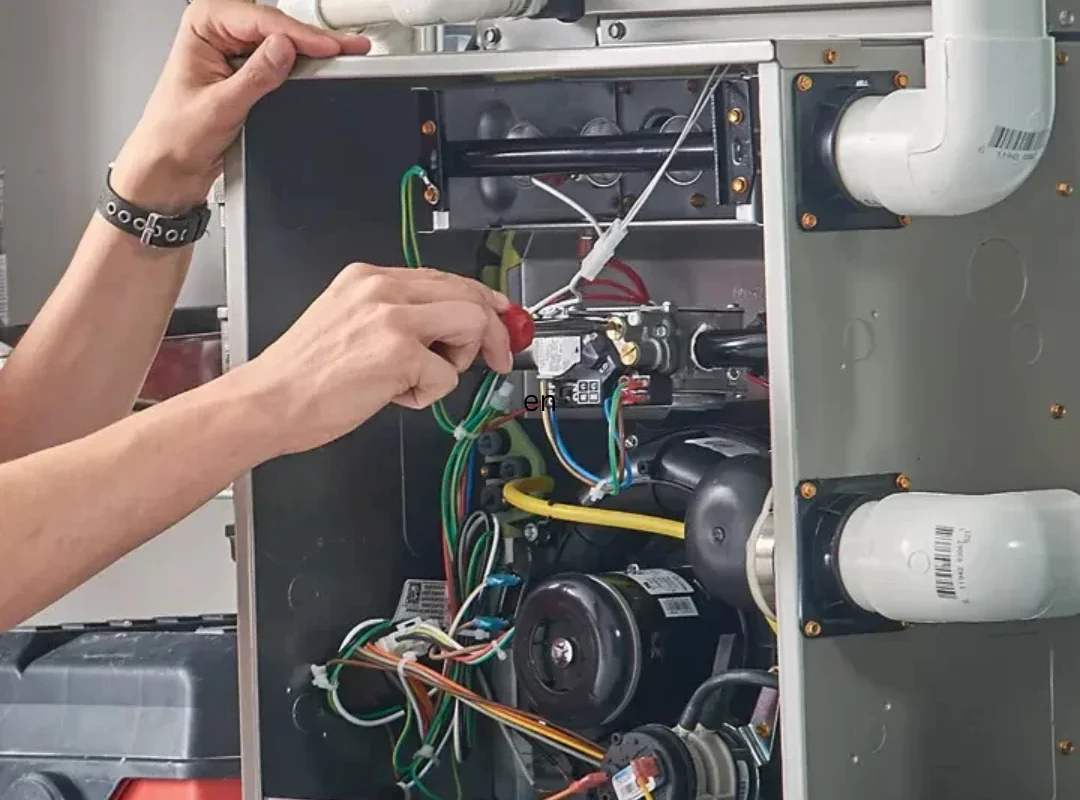
Signs Of A Cracked Heat Exchanger
Hvac Repair Ashland City

How Do HVAC Professionals Confirm the Problem?

A proper diagnosis goes beyond a quick look. Professional HVAC technicians will inspect the furnace heat exchanger using specialized tools and techniques. This may include:

  • Visual inspection for cracks or corrosion
  • Combustion analysis to detect abnormal gas levels
  • Checking airflow and blower motor performance
  • Inspecting soot buildup and combustion byproducts

At Green Street HVAC, technicians take a full-system approach. Whether you’re looking for HVAC repair Ashland City or HVAC service in Adams, TN, we find the root cause and make sure your system is safe.

Can a Cracked Heat Exchanger Be Repaired?

This is a question we hear all the time. In most cases, a cracked heat exchanger cannot be safely repaired. Replacement is usually the recommended solution.

Depending on the age and condition of your system, that might mean replacing the heat exchanger itself or, in some cases, the entire furnace. It might not be the answer homeowners want, but it’s the safest one.

Green Street HVAC helps homeowners weigh their options honestly, whether it’s furnace repair, replacement, or upgrading to a more reliable heating system.

How Can You Prevent a Cracked Heat Exchanger?

You can’t eliminate the risk, but you can reduce it significantly.

  • Schedule routine maintenance every year before the heating season
  • Replace your air filter regularly to maintain proper airflow
  • Keep an eye on flame color and unusual furnace smells
  • Install and maintain a carbon monoxide detector
  • Address small issues before they turn into bigger ones

Regular checkups help detect early warning signs of a cracked heat exchanger before it becomes dangerous.

If you’re in areas like Coopertown, Greenbrier, or Ashland City, working with a trusted local team like Green Street HVAC makes ongoing maintenance simple and reliable.

Conclusion: Don’t Ignore the Warning Signs

A cracked heat exchanger is one of those problems where early action makes all the difference.

The signs: strange smells, soot buildup, yellow flames, or health symptoms, are your system’s way of telling you something’s wrong. Ignoring them can lead to serious risks, including carbon monoxide exposure.

If you suspect something isn’t right, don’t wait. A quick inspection today can prevent a much bigger problem tomorrow.

Call Green Street HVAC for Expert Furnace Gas Repair

If you’re noticing signs of a cracked heat exchanger or just want mental peace, Green Street HVAC is here to help. We provide professional furnace repair & installation, AC repair & installation, and full HVAC services across Springfield, Ashland City, Coopertown, Greenbrier, Adams, and surrounding areas.

Our certified technicians know exactly what to look for and how to keep your heating system running safely. Contact us at (615) 788-4329 to schedule your HVAC inspection today.

LOOKING TO REPAIR, REPLACE OR UPGRADE?

Our experts can walk you through every step of the way, from prospected which tailored solution would be best for you, to installing and maintaing it…

FAQs

Below, we’ve addressed some common questions about heat exchanger problems. 

A: Common symptoms include unusual furnace smells, soot buildup, yellow flame, poor indoor air quality, and carbon monoxide detector alerts.

A: Sometimes. You may notice a burning or chemical smell, but carbon monoxide itself has no odor.

A: It could be dust buildup, soot, or issues like incomplete combustion. In some cases, it may point to a damaged heat exchanger.

A: Yes, but it’s not safe. The system may continue producing heat while leaking harmful gases.

A: Green Street HVAC offers expert inspections and reliable repairs to make sure your system is safe and efficient.

Call Us Today

24 Hours a Day, 7 Days a Week.

Why Choose Us

Proud To Be Your No. 1 HVAC Company

Quality

From the way we insulate our ductwork, to the running of the copper refrigeration pipe – our quality is like no other. We spend as much time as we need to insure that our jobs are done perfect. When choosing Green Street you know the job will be done right – on time – and always within your budget.

All Makes & Models

Green Street’s certified technicians are experienced and trained to service, maintain, install and repair all makes and models of commercial air conditioning & heating equipment.

Expertly Trained

Each one of our lead technicians have years of experience in all aspects of HVAC service in Nashville. It is mandatory for each technician to complete a full in house training calendar to insure that they are up to date on the latest residential air conditioning & heating equipment.

Call Us Today

24 Hours a Day, 7 Days a Week.