What is a Dual Fuel Heat Pump System and How Does it Work?

Dual fuel heat pumps combine an electric heat pump with a gas furnace to deliver the best of both worlds. The result? You get a highly efficient cooling solution in the summer and a powerful heating system in the winter. But why would you need two heating sources?

While heat pumps are incredibly efficient in mild weather, they can struggle when outdoor temperatures drop significantly. That’s where the gas furnace takes over. By alternating between fuel sources, a dual fuel system maximizes comfort while keeping energy bills in check.

How a Dual Fuel Heat Pump System Works

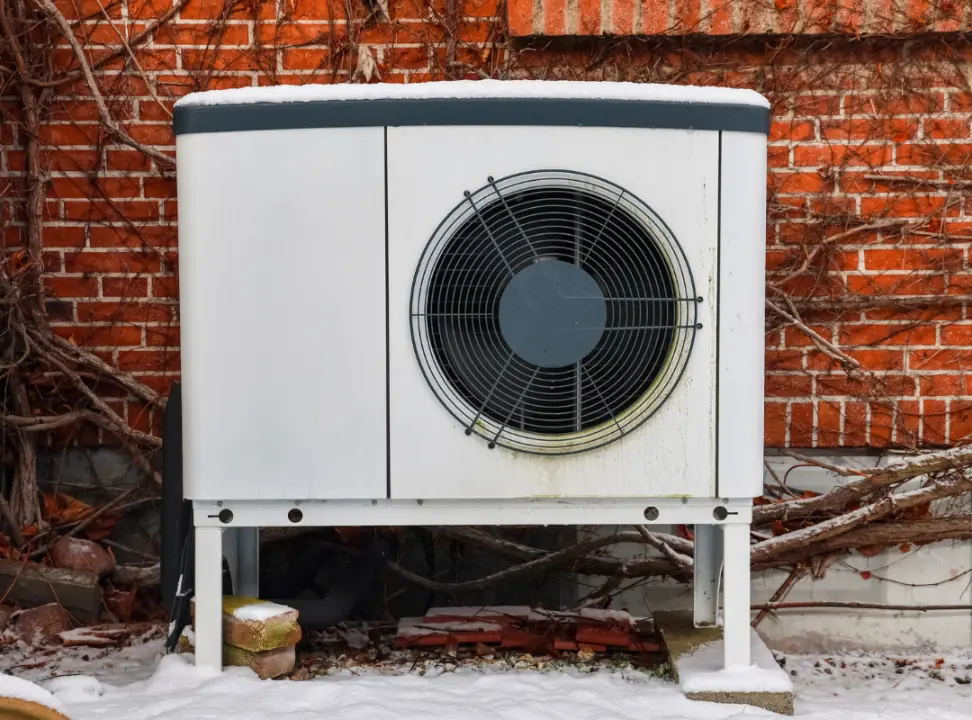
When the heating season arrives, the system operates based on outdoor temperatures. In mild conditions (typically above 35°F or 40°F), the electric heat pump reverses its cycle. It absorbs heat from the outdoor air and brings it inside. This process is highly energy efficient because it moves heat rather than generating it. If you’re unfamiliar with the basics of heat pump technology, a ductless mini split provides helpful insight.However, as temperatures drop below freezing, heat pumps have to work much harder to extract heat from the cold air. This is where the dual fuel operation shines

Fuel Heat Pump Cost
Pros And Cons Of Dual Fuel Heat Pumps

The system automatically switches to the gas furnace. Homeowners comparing heating options often review how heat pumps compare to furnaces in heating speed before choosing a dual fuel setup. The furnace burns fuel to generate heat, which is much more effective during extreme cold snaps.

The Role of the Electric Heat Pump

For homeowners in regions with moderate winters, the heat pump can handle the heating load for a large percentage of the season. Because it uses electricity to transfer heat, it can be up to 300% efficient compared to even the most high-efficiency gas furnaces.

But traditional air source heat pumps can lose efficiency when the outdoor temperature plummets. They may require an auxiliary heating strip (electric resistance heat), which consumes a massive amount of electricity. A dual fuel system avoids this energy waste by using gas heat instead. For deeper insight into performance advantages, why are heat pumps more efficient than AC, and how do heat transfer systems maximize energy use?

Why Combine it with a Gas Furnace?

The gas furnace serves as the backup or secondary heating source in a dual-fuel setup. While heat pumps are great, they have limits. When the thermometer hits extremely cold temperatures, a heat pump might struggle to keep your home cozy.

That’s when the gas furnace takes over. Gas heat is powerful and hot. It warms up your home quickly, regardless of how cold it is outside. By using natural gas or propane as a cost-effective fuel source during these peak cold periods, you avoid the high cost of electric resistance heating.

Plus, the furnace fan is used by the heat pump to circulate air year-round. So, the two components work in tandem, sharing the same ductwork and indoor unit to deliver optimal comfort.

Maximizing Energy Efficiency & Cost Savings

One of the primary reasons homeowners choose a dual fuel heating system is the potential for cost savings. Because the system switches between electric heat and gas heat based on real-time conditions, it always uses the most efficient method for the current weather.

During mild winter days, electricity is generally cheaper than burning gas. But when it gets frigid, gas becomes the more economical choice. A dual fuel system optimizes this balance. The result? You could see a reduction in heating costs by 30% to 50% compared to a conventional furnace alone. Homeowners searching for a trusted HVAC Company in Nashville frequently explore dual fuel systems to balance energy savings with winter performance.

Also, many modern systems allow you to set the “switchover point” on your thermostat. This is the specific outdoor temperature at which the system switches from the heat pump to the furnace. By setting this thermostat correctly based on your local utility costs, you can maximize efficiency even further.

Call Us Today

24 Hours a Day, 7 Days a Week.

Is a Dual Fuel HVAC System Right for You?

These systems are particularly popular in regions with “mixed” climates. Places where it gets cold, but where a high-efficiency heat pump can still do the heavy lifting for months at a time. Consulting with experienced HVAC Experts in Springfield can help determine whether your climate and existing equipment are ideal for dual fuel installation. If you already have access to natural gas or propane, upgrading to a dual fuel setup involves replacing your AC unit with a heat pump and ensuring your furnace is compatible.
Dual Fuel Heat Pump In Springfield
Dual Fuel Heat Pump Maintenance

However, there is a higher upfront cost. You are essentially buying two heating systems, a heat pump and a furnace. But the long-term return on investment through lower energy bills often makes up for the initial price tag within a few years.

Installation Costs and Considerations

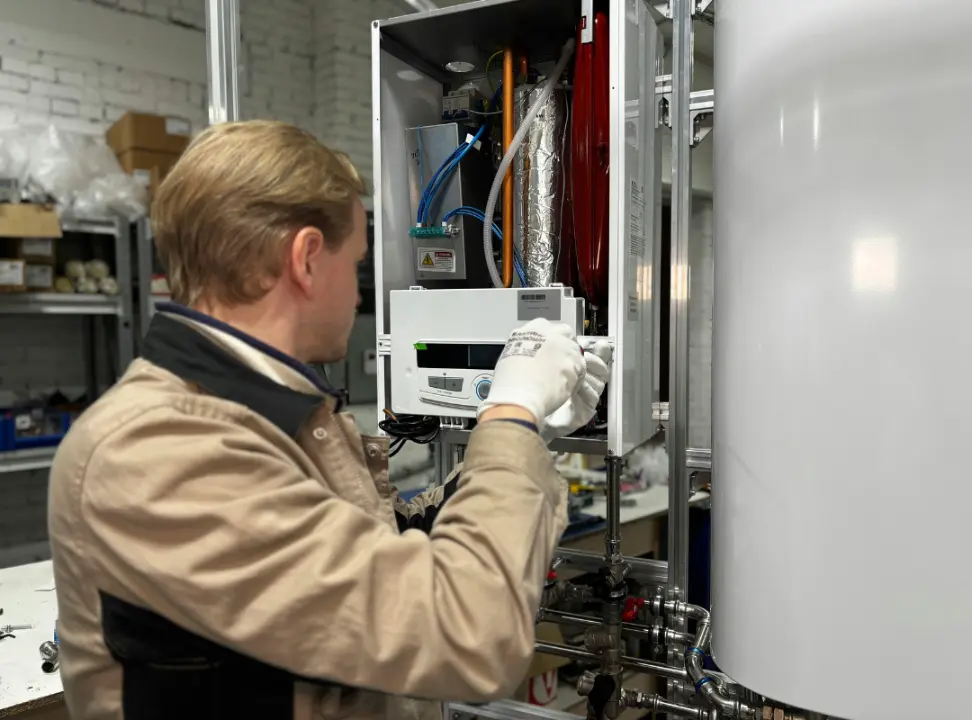
You’ll need a specialized thermostat or control system that can handle dual fuel operation. This “brain” of the system monitors outdoor temperatures and indoor heating demands to decide which fuel source to use.

Also, if you are retrofitting a current HVAC system, you need to check if your existing furnace is compatible with a new heat pump coil. In many cases, it makes more sense to replace both the indoor and outdoor units simultaneously to ensure maximum efficiency. Before upgrading, reviewing best practices for selecting a new AC unit can help ensure system compatibility and long-term reliability.

Conclusion

A dual fuel heat pump system offers a versatile, efficient, and reliable solution for year-round comfort. By intelligently switching between electric and gas heat, it optimizes energy use based on outdoor temperatures. So, if you are in the market for a new HVAC system, consider going dual fuel. It’s an investment that pays off in comfort and savings.

Maximize Efficiency with Green Street HVAC

Ready to upgrade your home’s heating and cooling? Green Street HVAC specializes in heat pump installations that are tailored to your home’s needs. We’ll help you calculate the potential savings and choose the perfect equipment for maximum efficiency. Don’t let energy waste drain your wallet. Contact us today to schedule a consultation and experience the superior comfort of hybrid heating!

LOOKING TO REPAIR, REPLACE OR UPGRADE?

Our experts can walk you through every step of the way, from prospected which tailored solution would be best for you, to installing and maintaing it…

Frequently Asked Questions

Check your outdoor unit and thermostat. If the outdoor unit runs during the winter and you also have a gas furnace (indicated by a gas line and flue pipe indoors), you likely have a dual fuel system. Additionally, your thermostat may have settings for “Aux Heat” or specific dual-fuel controls.

Dual fuel means the HVAC system utilizes two distinct energy sources to heat your home: electricity and gas (or propane). It combines an electric heat pump, which is efficient in mild weather, with a gas furnace, which takes over during extreme cold to provide powerful, consistent heat.

The primary disadvantage is reduced efficiency in freezing temperatures. As outdoor air gets colder, it becomes harder for the heat pump to extract heat, leading to longer run times and potential reliance on expensive auxiliary electric heat strips if a gas backup isn’t available. If your system struggles during extreme cold, why does my breaker trip when the heat pump starts may help identify electrical stress related to heavy heating demand.

The “switchover” temperature is typically set between 30°F and 40°F. Above this range, the electric heat pump operates efficiently. Below this specific temperature, the system automatically switches to the gas furnace to maintain comfort and efficiency. This setting can often be adjusted by an HVAC professional.

Call Us Today

24 Hours a Day, 7 Days a Week.

Why Choose Us

Proud To Be Your No. 1 HVAC Company

Quality

From the way we insulate our ductwork, to the running of the copper refrigeration pipe – our quality is like no other. We spend as much time as we need to insure that our jobs are done perfect. When choosing Green Street you know the job will be done right – on time – and always within your budget.

All Makes & Models

Green Street’s certified technicians are experienced and trained to service, maintain, install and repair all makes and models of commercial air conditioning & heating equipment.

Expertly Trained

Each one of our lead technicians have years of experience in all aspects of HVAC service in Nashville. It is mandatory for each technician to complete a full in house training calendar to insure that they are up to date on the latest residential air conditioning & heating equipment.

Call Us Today

24 Hours a Day, 7 Days a Week.