
Covid-19 Response: Green Street is committed to protecting your health and safety. Learn More
Heat Pump Energy Costs VS Natural Gas
Keeping your home warm is a basic need, and most homeowners choose between two popular options: a heat pump and natural gas. Both systems get the job done, but they work in very different ways and come with different costs. Today, we’ll break down how each option performs, what factors affect your energy bills, and how to choose the right system for your home. We will also explore common pros and cons, look at fundamental cost factors, and help you make a decision you feel confident about. So keep reading because the details may surprise you.
Understanding How Each System Works
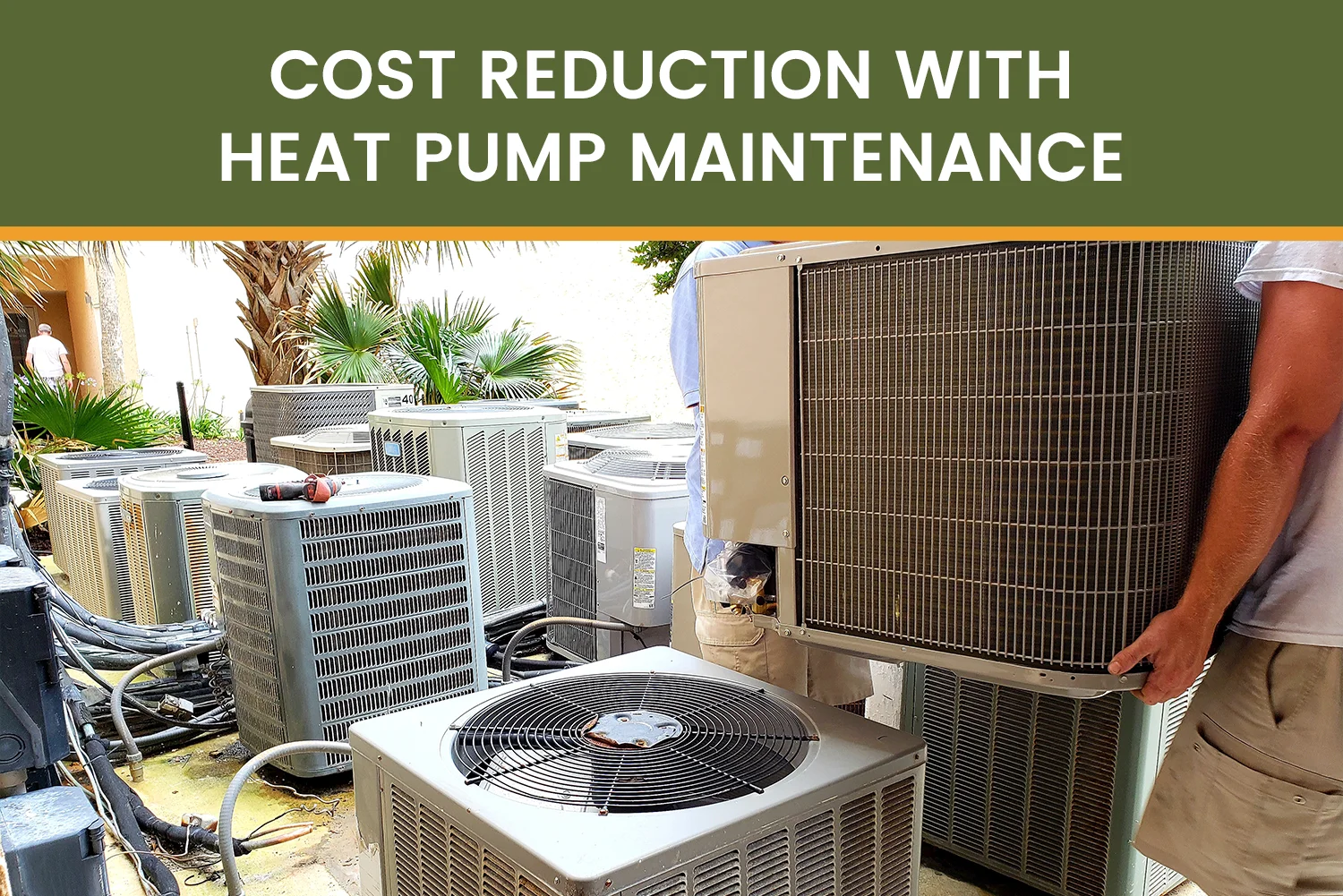
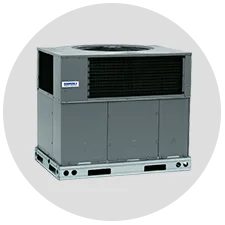
A heat pump moves heat instead of creating it. The outdoor unit removes heat from the air and transfers it inside. The indoor unit then pushes hot air across your home. This simple idea makes a heat pump highly energy-efficient because it uses less electricity to produce the same amount of heat.
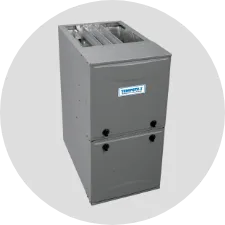
A natural gas furnace, on the other hand, burns natural gas or propane to warm the air. It creates heat through combustion and delivers quick, intense gas heat. This makes it a reliable heating solution, especially when the temperature drops. Some homeowners use a dual-fuel system that pairs an electric heat pump with a natural gas furnace. The heat pump runs during mild weather, and the gas furnace kicks in when the outdoor temperature hits a low point. This setup can balance performance and cost.
Heat Pump Performance Through the Seasons
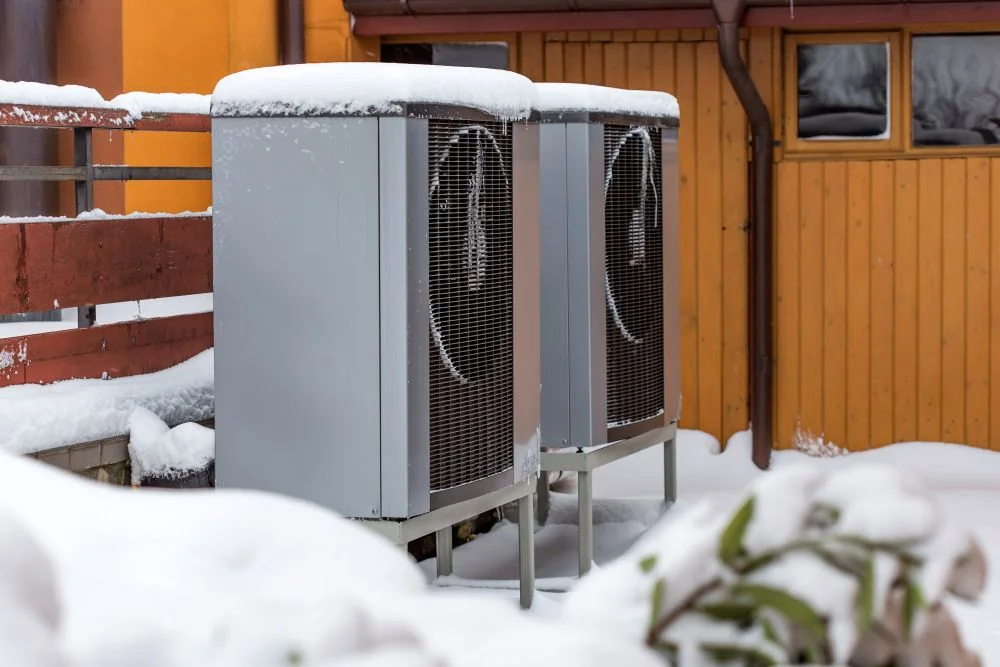
A heat pump shines in areas with moderate winters. It keeps the air warm even when the temperature dips close to freezing. The performance, however, changes in cold climates. When it gets very cold, the system works harder, and energy use increases. That means the electric bill may rise.
But here is the added bonus: a whole-home heat pump also handles cooling in summer. You get one unit for heating and cooling, which simplifies your hvac contractor maintenance plan. A gas furnace does not cool the home, so you still need a separate AC unit. That means two units, two installs, and two sets of costs over time.
24 Hours a Day, 7 Days a Week.
Comparing Fuel Costs & Monthly Bills
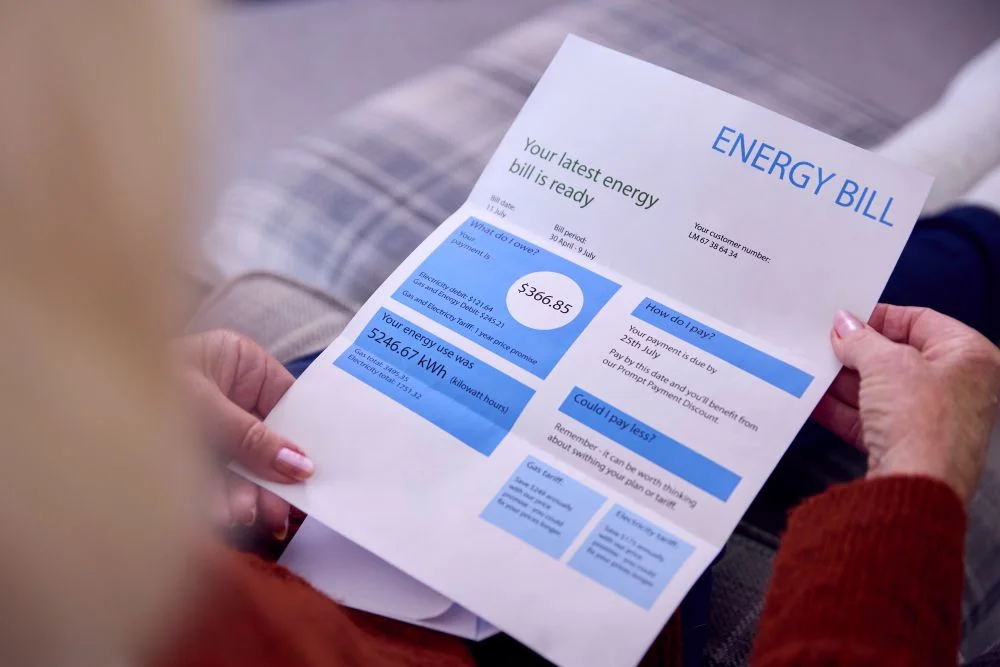
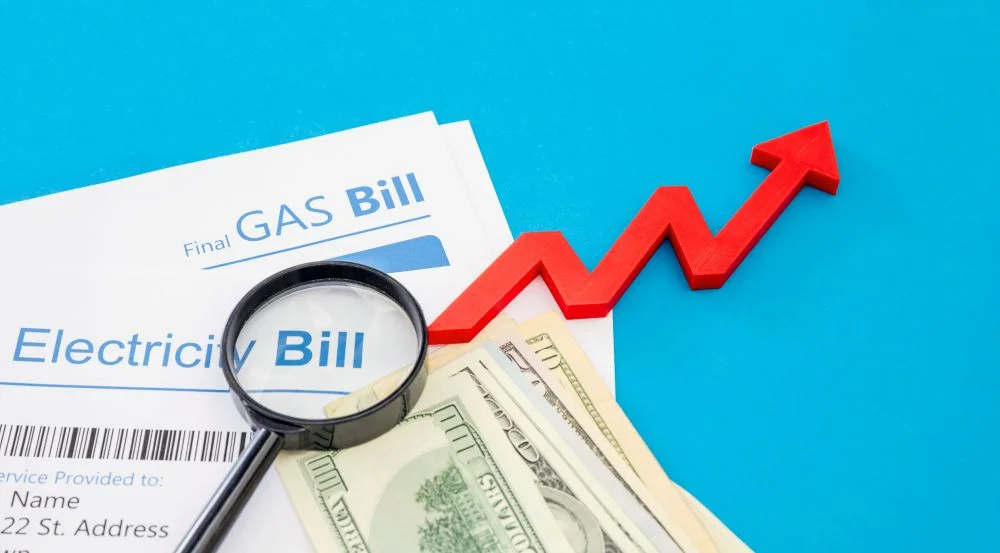
Your energy bills depend on what you pay for electricity and natural gas in your area. Current prices shift often, and they play a major role in determining which system is more cost-effective.
A heat pump uses electric energy. If your region offers low rates or you use solar panels or a solar system, you can see big energy savings. Over time, many homeowners save money because the system uses far less energy to create the same level of heat. Natural gas prices tend to stay cheaper than electricity in many regions. A gas furnace often beats a heat pump on pure heating cost per BTU. If you live somewhere with long winters or high cooling days, gas can save you money simply because the furnace does not work as hard.
Upfront & Installation Costs
When you compare heat pump energy costs to natural gas, you also need to consider the upfront cost. A heat pump installation usually costs more than a natural gas furnace or traditional furnace. You may even need a panel upgrade if your electrical system cannot support the load. This adds more to the initial expense.
A gas furnace often costs less to install, especially if your home already has gas lines. New construction or homes without gas access may need a fuel line installation, which boosts the overall cost. Both systems may qualify for rebate programs, which help lower the price. A local hvac contractor can guide you through the process.
Operating Costs & Long-Term Savings
A heat pump can save money over time because it uses less energy to create heat. It is very efficient during mild weather. Homeowners in moderate climates often see lower bills and long-term savings.
A gas furnace often has a lower operating cost during harsh winters. It keeps the home warm without breaking a sweat. You do not have to worry about extra strain, auxiliary electric heat, or steep spikes in usage. You get steady heat, even when things get bone-chilling cold. The right choice depends on your region’s winter demands and the degree days you experience each year.
Environmental Impact & Carbon Footprint
Heat pumps do not burn fossil fuels, which gives them a smaller carbon footprint. They run on electricity, and you can pair them with solar to cut emissions even more. If you want a cleaner heating solution, a heat pump checks that box. Here’s what you need to know before buying a heat pump to ensure it fits your home and energy goals.
Natural gas produces fewer emissions than coal or oil, but it still creates carbon dioxide. If you want a lower-emission home, a gas furnace may not align with long-term eco goals. Still, many homeowners prefer gas because it offers reliable heat without high electric demand.
LOOKING TO REPAIR, REPLACE OR UPGRADE?
Our experts can walk you through every step of the way, from prospected which tailored solution would be best for you, to installing and maintaing it…
Performance in Extreme Cold
Heat pumps work well until the temperature reaches a certain low threshold. Once the air gets too cold, the system loses efficiency. You may see higher operating costs as the heat pump fights to maintain the set thermostat temperature.
Modern heat pumps handle winter better than older models, but there is still a limit. Homes in very cold climates usually rely on natural gas, propane, or a boiler system for reliable heat. A gas furnace keeps working no matter how low the temperature falls. The system delivers intense, consistent heat at all times.
Maintenance, Lifespan, & System Care
Both systems need routine care. A heat pump runs all year, so it usually needs more frequent checkups. Your contractor inspects the indoor unit, the outdoor system, pressure levels, the coils, and the airflow.
A gas furnace needs yearly cleaning and tune-ups as well. You must check burners, gas pressure, and ventilation. If you neglect maintenance, either system can break down. Heat pumps typically run longer because they operate year-round, but they also take on more load. Gas furnaces may last longer if they only run during winter.
Choosing the Right System for Your Home
You must look at a few things before you choose:
- Your climate
- Your fuel options
- Your local electric and gas rates
- The space in your house
- Your long-term goals
- Whether you plan a switch to solar
- Your installation costs
- Your expected energy use
If you prefer a low-emission system with good year-round performance, a heat pump may fit your needs. If you want intense heat and lower winter costs, a natural gas furnace may serve you better. An experienced HVAC contractor helps you pick the right system, calculate fuel costs, compare current prices, and make sure the installation fits your home.
The Smart Move Depends on Your Home
Choosing between a heat pump and natural gas is not a one-size-fits-all decision. Your climate, budget, long-term plans, and energy sources all shape the outcome. A heat pump delivers impressive efficiency and year-round comfort. A gas furnace provides strong, reliable heat when winter hits hard. Both systems offer solid benefits. Both come with costs. The trick is to match the system with your home’s needs so you can save money, cut waste, and feel comfortable all year. If your goal is comfort and smart spending, you can hit the nail on the head with the right choice.
Ready to Make the Right Heating Choice?
If comparing heat pump energy costs vs natural gas has you weighing your options, the team at Green Street HVAC can help you sort things out. We work with heat pumps, natural gas furnaces, dual fuel setups, and full heating and cooling systems, so you get guidance rooted in expertise. If you want a system that fits your home, your climate, and your budget, our technicians make the process simple and clear.
Contact us today and let us help you lock in comfort, savings, and the right heating solution for your home. Schedule your online estimate now!

Proud To Be Your No. 1 HVAC Company

Quality
From the way we insulate our ductwork, to the running of the copper refrigeration pipe – our quality is like no other. We spend as much time as we need to insure that our jobs are done perfect. When choosing Green Street you know the job will be done right – on time – and always within your budget.

All Makes & Models
Green Street’s certified technicians are experienced and trained to service, maintain, install and repair all makes and models of commercial air conditioning & heating equipment.

Expertly Trained
Each one of our lead technicians have years of experience in all aspects of HVAC service in Nashville. It is mandatory for each technician to complete a full in house training calendar to insure that they are up to date on the latest residential air conditioning & heating equipment.
24 Hours a Day, 7 Days a Week.