
Covid-19 Response: Green Street is committed to protecting your health and safety. Learn More
What Tools Do Professionals Use During an HVAC Tune-Up?
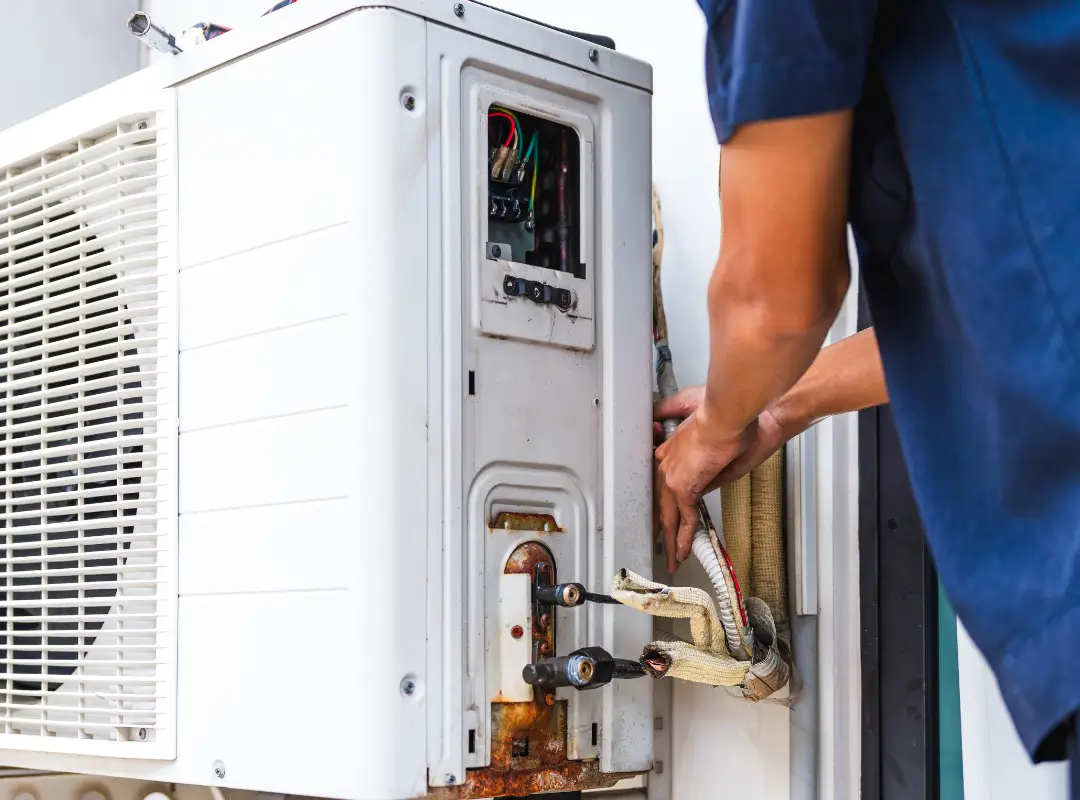
Servicing HVAC systems requires a mix of basic hand tools, diagnostic equipment, and HVAC tools designed for specific maintenance tasks. Having the right tools is about safety, accuracy, and providing high-quality service. This HVAC tools list outlines the essential equipment HVAC professionals use to get the job done right and keep your system running smoothly.
Basic Hand Tools for HVAC Systems
HVAC maintenance has many benefits. But there are some workhorses of any HVAC toolbox, used for everything from opening panels to tightening connections.
Wrenches (Fixed and Adjustable Wrenches)
Crescent and pipe wrenches are used for gas lines and plumbing connections, while a set of fixed wrenches is needed for specific nuts and bolts on the HVAC equipment. Adjustable wrenches are versatile for working in tight spaces.
Screwdrivers and Nut Drivers
HVAC units are held together by countless screws. A multi-bit screwdriver and a set of nut drivers are essential for accessing electrical components, panels, and motor housings.
Pliers
From needle-nose pliers for delicate wiring to channel locks for larger components, pliers are a crucial tool for gripping, bending, and cutting.
Hammers and Drills
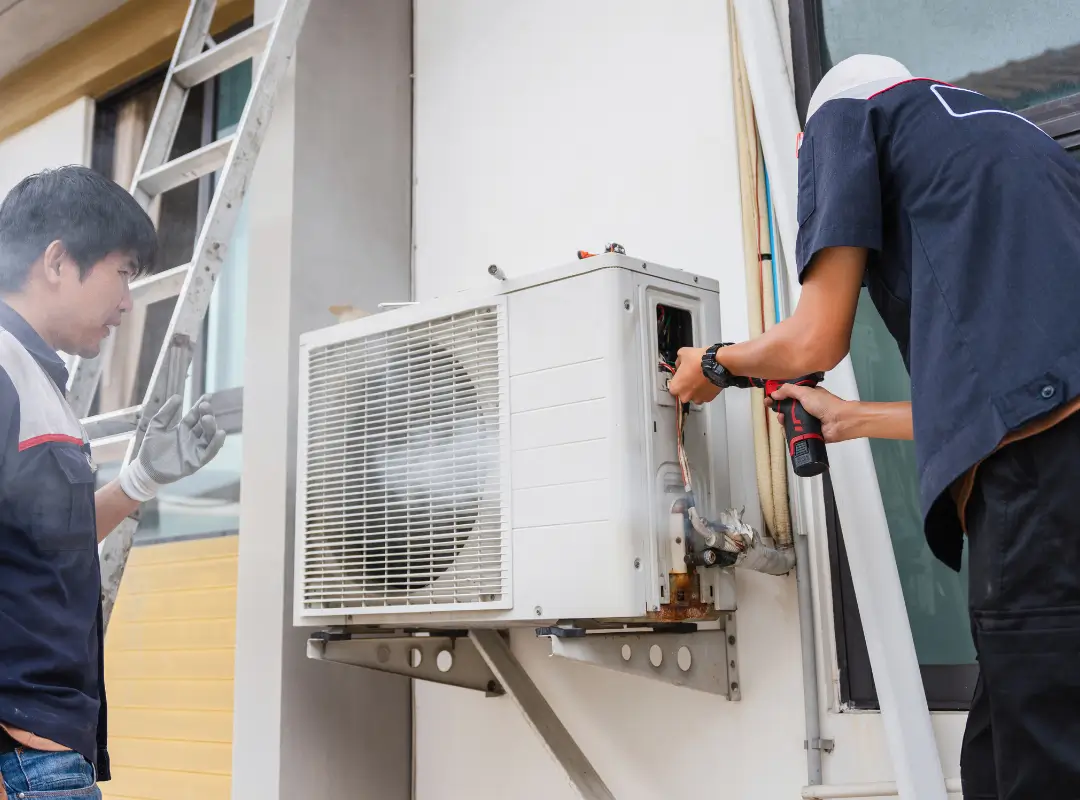
While not used on every tune-up, a hammer is necessary for minor adjustments, and a cordless drill (one of the most important power tools) is indispensable for fastening panels and making quick work of repetitive screw-driving tasks.
Tubing Cutters
When working with refrigerant lines or condensate drains, a tubing cutter provides a clean, precise cut on copper tubing without leaving burrs that could cause issues.
Diagnostic Tools
Diagnostic tools allow HVAC techs to see what’s happening inside your system, take accurate measurements, and identify problems that aren’t visible to the naked eye.
Electrical Testers
Technicians use it to measure voltage, amperage, and resistance in electrical connections, motors, and capacitors. This helps them confirm that all electrical components are receiving the correct amount of power and are operating safely.
Refrigeration Gauges
A manifold gauge set is a specialized HVAC tool used to measure refrigerant pressure in air conditioning systems. By connecting to the refrigerant lines, technicians can determine if the system has the correct refrigerant charge. Too little or too much refrigerant can drastically reduce system efficiency and cause damage to the compressor.
Thermometers
A standard digital thermometer checks the air temperature coming out of your vents. More advanced infrared thermometers allow quick, non-contact temperature readings of surfaces such as coils, ductwork, and circuit breakers to spot overheating components.
Refrigerant Leak Detectors
A refrigerant leak detector is a crucial tool that can pinpoint the exact source of refrigerant leaks, even tiny ones. An electronic leak detector “sniffs” the air and sounds an alarm when it detects refrigerant gas, allowing for a quick repair.
24 Hours a Day, 7 Days a Week.
HVAC Tools for Maintenance Tasks
These are the tools that separate a DIY attempt from a professional tune-up.
Coil Fin Straightener
The fins on your air conditioner’s indoor and outdoor coils are extremely delicate and can easily get bent. This restricts airflow and reduces energy efficiency for HVAC systems. A coil-fin straightener is a simple comb-like tool used to carefully straighten these fins, restoring proper airflow and improving system efficiency.
Vacuum Pump
When an air conditioning system is opened for major repairs or installation, moisture and air can get inside the refrigerant lines. A vacuum pump removes air and moisture from the refrigeration systems before they are recharged with refrigerant. This is critical because moisture can freeze, creating blockages, or mix with refrigerant, forming corrosive acids.
Core Removal Tool
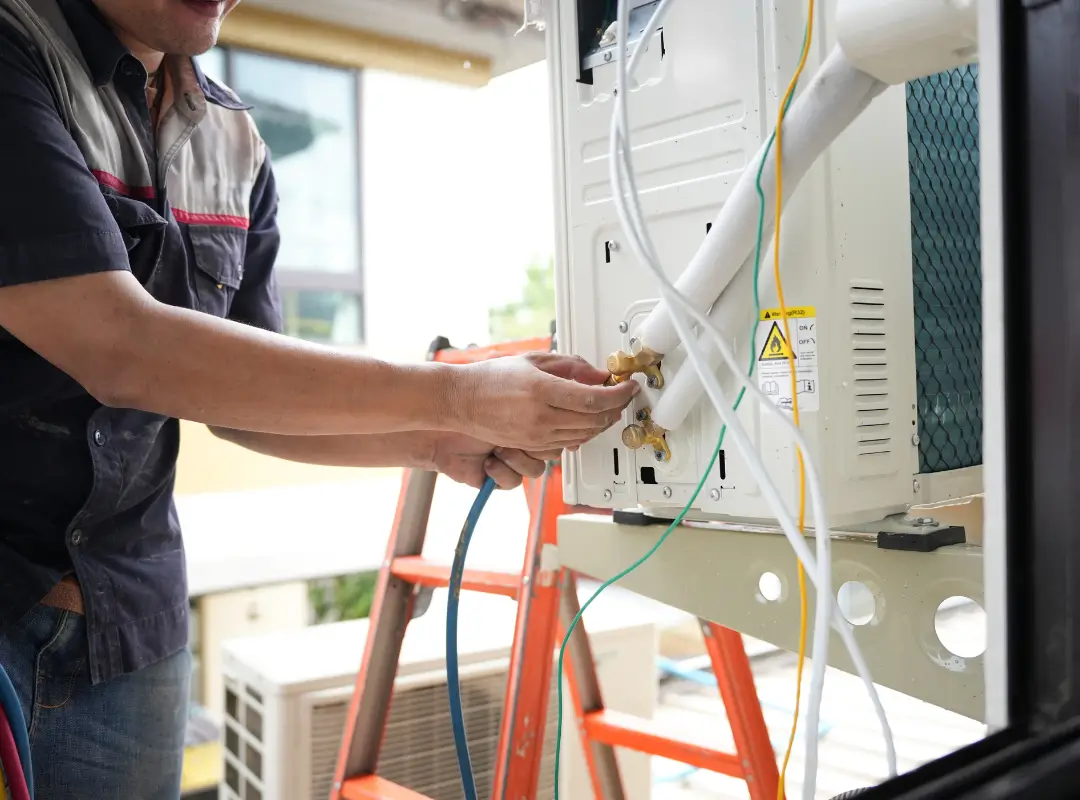
This small but essential tool allows an HVAC technician to remove the valve core from a service port without losing the system’s refrigerant charge. This is particularly useful for attaching gauges or replacing a faulty valve core without performing a full refrigerant recovery and recharge, saving time and money.
Sheet Metal Tools
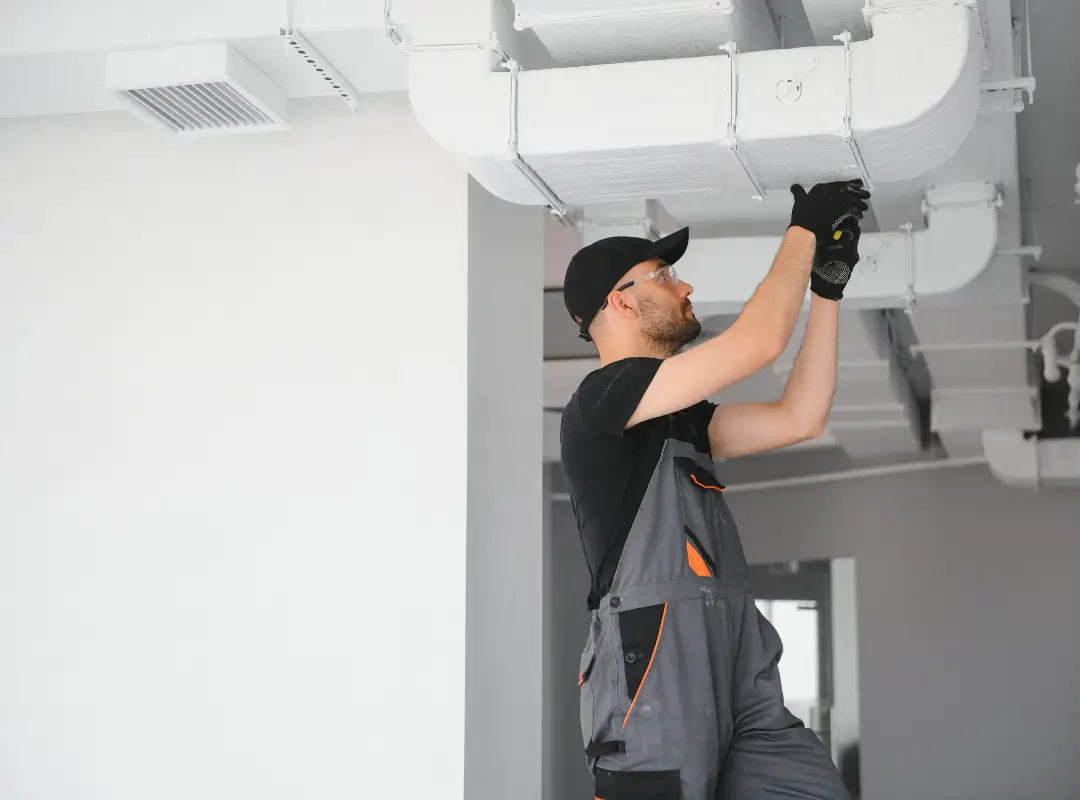
If any HVAC work involves air ducts, technicians will need sheet metal tools. Snips, shears, and crimpers are used to cut, bend, and seal air ducts. Ensuring your ductwork is properly sealed is vital for system efficiency, as leaks can account for up to 30% of energy loss in HVAC systems.
LOOKING TO REPAIR, REPLACE OR UPGRADE?
Our experts can walk you through every step of the way, from prospected which tailored solution would be best for you, to installing and maintaing it…
Frequently Asked Questions
What Tools Do HVAC Technicians Use?
HVAC technicians use a wide range of tools, including hand tools such as wrenches and pliers, power tools such as drills, and specialized diagnostic equipment. Essential tools include multimeters for electrical work, refrigeration gauges for checking refrigerant pressure, leak detectors, and thermometers for accurate measurements.
What Do They Do During An HVAC Tune-Up?
During a tune-up, technicians clean coils, check electrical connections, measure refrigerant levels, test thermostat accuracy, inspect ductwork for leaks, and lubricate moving parts. The goal is to restore system efficiency, prevent breakdowns, and ensure the unit is operating safely before the peak heating or cooling season begins.
What Tools And Equipment Do You Typically Use During An HVAC Installation?
An HVAC installation requires standard tune-up tools, as well as heavy-duty equipment. This includes a vacuum pump for purging refrigerant lines, tubing cutters and benders for shaping copper lines, sheet metal tools for ductwork fabrication, and lifting equipment to safely move heavy HVAC units into place.
How To Tune Up A HVAC System?
A proper HVAC tune-up is best left to professionals due to the complexity and safety risks. However, homeowners can perform basic HVAC maintenance like changing air filters regularly and clearing debris from around the outdoor unit. A professional tune-up involves technical steps like cleaning coils and checking electrical and refrigerant systems.
Conclusion
The array of essential hvac tools a professional brings to a tune-up is extensive and highly specialized. While some maintenance tasks seem simple, the use of these tools, combined with years of training, enables HVAC technicians to deliver high-quality service. So, the next time your HVAC professional opens their tool kit, you’ll know they have everything needed to get the job done right.
Stay Comfortable with Expert HVAC Service
Wondering if your HVAC system is ready for the season ahead? Don’t wait for a breakdown. The team at Green Street HVAC has the right tools and the expertise to perform a thorough HVAC tune-up, ensuring your system’s energy efficiency and reliability. Schedule your HVAC service with us today and let our pros handle the rest!