How Often Should the Furnace Cycle?
When winter arrives, your furnace works behind the scenes to keep your home comfortable. But if you’ve noticed it turning on and off more often than expected, it’s natural to wonder whether that’s normal. How often should a furnace cycle, and when does frequent cycling become a problem? A furnace cycle refers to the process of your heating system turning on and off to maintain your set temperature. Understanding what a normal cycle looks like can help you spot efficiency issues early, avoid unnecessary energy costs, and reduce the risk of unexpected furnace repairs. Let’s explain how often a furnace should cycle, what affects heating cycles, common causes of frequent cycling, and when to call a professional. Keep reading!
What Is a Furnace Cycle?
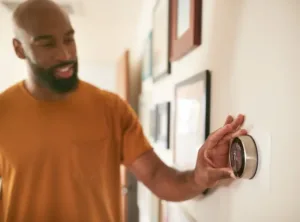
Before we dive into how often a furnace should cycle, let’s first define what a furnace cycle is. A cycle begins when the thermostat detects that the temperature in your home has fallen below the set point.
The furnace then turns on, heats the air, and distributes it through your home. Once the desired temperature is reached, the thermostat signals the furnace to turn off. This process repeats itself throughout the heating season.
Most furnaces typically cycle between two and three times per hour, depending on factors like your home’s insulation, thermostat settings, and outside temperatures. Heating cycles can be longer or shorter depending on these factors, but a furnace should not be constantly turning on and off.
How Often Should a Furnace Cycle in the Winter?
In the winter, when outside temperatures drop, your furnace will naturally need to work harder to maintain a comfortable indoor temperature. However, the furnace cycle should still be regulated. A furnace that’s running too frequently or too infrequently may indicate an issue that needs attention.
Here are a few points to keep in mind when determining how often your furnace should cycle in the winter:
Average Heating Cycle Duration:
An average heating cycle typically lasts between 10 and 15 minutes. This is enough time for the furnace to heat the air, circulate it through the home, and return to the desired temperature before turning off. If your furnace runs much longer than this, there could be an underlying problem, such as restricted airflow or thermostat malfunctions.
Two to Three Cycles per Hour:
For most furnaces, two to three cycles per hour is normal during colder months. If your furnace is running constantly, it could be a sign that the furnace is undersized for your home or that something is interfering with its performance.
Factors Affecting Furnace Cycles:
Several factors can influence how often your furnace cycles. Insulation quality, the size of your home, windows, outside temperatures, and airflow all play a role. For instance, homes with poor insulation or leaky air ducts may experience frequent cycling as the furnace struggles to keep up with heat loss.
What Causes Irregular Furnace Heating Cycles?
While two to three cycles per hour is standard, irregular heating cycles can be a cause for concern. Here are some common reasons why your furnace might be cycling too often or not often enough:
1. Thermostat Problems
A malfunctioning thermostat can lead to short cycling (when the furnace turns on and off too quickly) or frequent cycling. Thermostat issues can include inaccurate temperature readings, poor placement (such as near direct sunlight), or a faulty flame sensor that prevents the furnace from turning off at the correct time.
2. Dirty Air Filter
One of the most common causes of irregular heating cycles is a dirty air filter. A clogged filter restricts airflow, causing the furnace to overheat, shut down prematurely, or run longer than necessary. Changing the AC filter every 1-3 months is key to maintaining an efficient system.
3. Leaky Air Ducts
Leaky air ducts can cause your furnace to cycle more frequently. If warm air is escaping through cracks or gaps in your ducts, your furnace will have to work harder to heat the home, leading to longer or more frequent cycles. A ductwork inspection can help identify and fix leaks.
4. Oversized or Undersized Furnace
An undersized furnace will struggle to keep up with the heating demand, resulting in long or continuous cycles. On the other hand, an oversized furnace will heat the home too quickly, causing short cycles. A manual J load calculation can determine the right size furnace for your home based on square footage, insulation, and other factors.
5. Defective Heat Exchanger or Flame Sensor
A defective heat exchanger or flame sensor can cause the furnace to shut off prematurely or run longer than necessary. If you hear strange noises or notice that the furnace doesn’t run consistently, these components may be the issue.
How Long Should a Furnace Run During One Cycle?
The length of an average heating cycle depends on factors such as the conditioned air in the home, outside temperatures, and the furnace’s efficiency. However, most furnaces should run for about 10-15 minutes per cycle. If your furnace runs longer than this without turning off, it might indicate issues like restricted airflow, a dirty filter, or problems with the heat exchanger.
What Is Furnace Short Cycling?
Short cycling refers to when your furnace turns on and off too quickly, often without completing a full cycle. This is usually a sign of a mechanical issue, such as a dirty flame sensor, a malfunctioning thermostat, or issues with the furnace’s control board. Short cycling can increase wear and tear on your furnace, shortening its lifespan and raising your energy bills.
How Can You Fix Irregular Furnace Cycles?
If you notice irregular heating cycles or your furnace runs too frequently, consider the following steps to fix the issue and increase the lifespan of your furnace.
-
Check the Thermostat:
Make sure that the thermostat is correctly set and is not malfunctioning. Make sure it is placed away from direct sunlight or heat sources that could cause inaccurate readings.
-
Replace the Air Filter:
Change the air filter if it’s dirty. A clean filter ensures proper airflow, reducing strain on the furnace and preventing overheating.
-
Inspect the Ductwork:
Look for leaks or blockages in the air ducts. Ensure that all vents are open and unobstructed to maintain proper airflow.
-
Schedule Regular Maintenance:
Have an HVAC technician perform regular maintenance on your furnace. Routine inspections can help catch issues before they become bigger problems, like a malfunctioning heat exchanger or a defective flame sensor.
Conclusion: Ideal Furnace Cycles
By understanding the ideal furnace cycle and knowing when to call for repairs, you can keep your heating system running efficiently all winter long. Regular HVAC maintenance, proper settings, and addressing any issues early can help extend the life of your furnace and provide consistent comfort in your home.
FAQs About Furnace Cycles
Here are some of the most commonly asked questions about furnace cycles.
Most furnaces cycle two to three times per hour during winter, but this can vary based on your home’s insulation, outside temperatures, and furnace efficiency.
Frequent cycling can be caused by a dirty filter, thermostat issues, leaky ducts, or a furnace that is too small for your home. A professional HVAC technician can help identify the problem.
Short cycling occurs when your furnace turns on and off too quickly without completing a full cycle. This could be due to issues like a dirty flame sensor, thermostat malfunctions, or a dirty air filter.
Regularly replace the air filter, ensure proper airflow, and schedule routine maintenance to keep your furnace running efficiently. Consider having an HVAC technician inspect your system if the problem persists.
Yes! Green Street HVAC specializes in furnace repairs and can troubleshoot issues like short cycling or irregular heating cycles. Serving Springfield, TN, and surrounding areas, our team is ready to help keep your system running smoothly. Call (865) 245-3132 to schedule service.
Call Green Street HVAC for Furnace Repair
If your furnace is cycling too often or not enough, don’t wait for the problem to worsen. Green Street HVAC offers expert furnace repair, maintenance, and AC repair services to make sure your system operates efficiently. Serving Springfield, TN, and the surrounding areas, our certified technicians are here to diagnose and fix any furnace issues. Contact us today at (865) 245-3132 to schedule a furnace repair!