How Many Hours Should a Furnace Run in Winter?
If your furnace hums away from sunrise to sunset, it is natural to wonder if something is amiss. On the other hand, a furnace that barely stirs can feel just as puzzling. To know what is truly normal in winter, it helps to peek behind the scenes at how your furnace works and what shapes its daily rhythm. Rather than running at a stable pace, your furnace cycles ON and OFF, responding to insulation, thermostat settings, outdoor weather, and the demands of your home. Winter months bring their own challenges to this mix. So, how many hours should your furnace run when the cold sets in? Let’s learn that today.
What Are the Heating Cycle & Furnace Cycle
A heating cycle begins when the thermostat senses that temperatures inside your home have dropped below the set point. The system turns on, warms the air, and circulates it through your home. Once the desired temperature is reached, the heating system simply shuts off.
This ON-and-OFF pattern is known as a “furnace cycle”. In winter, these cycles happen more frequently. But that does not mean something is wrong; it simply reflects that there is a higher demand.
Most systems are engineered to handle several cycles per hour. In the moderate winter season, a furnace may cycle 2 to 4 times per hour. Each cycle can last anywhere from 10 to 20 minutes, depending on conditions inside and outside your home.
How Outdoor Temperature Impacts Furnace Runtime
The biggest factor that affects the runtime is the outdoor temperature. When temperatures dip, your home loses heat faster. And that heat loss must be replaced by the furnace.
- During mild winter days, your furnace may only run a few hours throughout the day.
- During cold weather, runtime increases.
- In extremely cold weather, it is common for a furnace to run much longer or cycle more often to keep indoor temperatures stable.
Homes in colder regions have a higher heating load. The colder it gets outside, the harder your furnace works to maintain the temperature inside.
Average Furnace Runtime in Winter
There is no single number that fits every space, but many furnaces run between 6 and 10 hours total per day during the winter season. This runtime is spread across multiple cycles.
In colder climates, furnace runs may reach 12 hours or even more on the coldest days. That does not mean that your furnace is running nonstop — it simply means the HVAC system is responding to ongoing heat loss.
If a furnace seems to be running continuously without shutting off, that can point to:
- Insulation issues
- Air leaks
- System sizing concerns rather than a mechanical fault
Preferred Temperature & Settings of the Thermostat
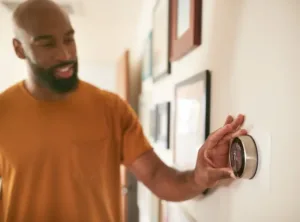
Your thermostat settings influence runtime more than you realize. Setting the thermostat higher increases demand and lengthens each cycle. And when the thermostat detects a gap between indoor temperature and the set point, it signals the furnace to keep running until that gap closes. A higher preferred temperature on the other side means longer cycles.
Minor adjustments can make a noticeable difference. Even lowering the thermostat by 1 or 2 degrees can reduce how often the furnace turns on during winter nights.
The Role of the Air Filter & Furnace Filter
Airflow matters a lot! A clean air filter allows warm air to move freely through the HVAC system. A furnace filter that is clogged restricts airflow, making the furnace work much harder to push air through the ducts.
A dirty furnace filter can cause uneven heating and longer runtimes. Sometimes, a dirty filter leads to overheating inside the unit, forcing the system to shut down early and restart later.
Having professionals check and replace filters regularly keeps airflow proper and supports stable heating cycles throughout winter.
What Causes Furnace Short Cycling?
- A malfunctioning thermostat
- Restricted airflow
- An overheating issue inside the unit
- Improper system sizing
- Sensor problems

How Modern Furnaces Differ From Older Systems
Modern furnaces operate differently from older models. A lot of newer systems now use variable-speed technology that allows them to run longer at lower output levels.
Instead of short and intense bursts of heat, these systems provide stable warmth with fewer dramatic temperature swings. Longer runtimes with fewer starts and stops are normal for newer designs.
This approach maintains a consistent temperature inside your home and reduces wear on internal parts like the heat exchanger.
The Impact of Oversized Furnaces
Oversized furnaces heat your home too fast. While that may sound appealing, it generally leads to problems.
An oversized system reaches the thermostat set point quickly and shuts off before heat spreads evenly. This becomes the reason for frequent starts and stops, causing short cycling as well as inconsistent comfort.
Proper sizing plays a huge role in how long a furnace runs during winter seasons. A correctly sized system runs longer cycles that match the actual heating needs of your home.

Sensors & Internal Components Matter
Remember that several internal parts influence runtime of the furnace. The flame sensor plays a game-changing role by detecting whether the burner flame is present. If the sensor cannot detect the flame, the system shuts down for safety.
A dirty flame sensor can also interrupt normal operation and trigger repeated shutdowns. This creates cycling patterns that are irregular and that can appear as runtime issues.
The heat exchanger also affects performance. When heat transfer is restricted, your system may shut OFF early due to high internal temperatures.
Thermostat Issues & Thermostat Malfunctions
The thermostat acts as the control center of the entire system. Thermostat malfunctions can cause:
- Incorrect temperature readings
- Delayed responses
If the thermostat is placed near any heat sources, drafts, or sunlight, it may signal the furnace incorrectly. A malfunctioning thermostat can also cause the system to run longer than needed or cycle too often.
Accurate temperature sensing supports predictable runtime and stable operation during the winter months.
When Furnace Runtime Signals a Problem
Long runtimes during winter are generally normal. Still, certain patterns call for attention. Continuous operation without reaching the set temperature may indicate problems with stable operation or possible duct leaks.
Very short cycles with uneven heating point to furnace short cycling or airflow issues.
If changes appear suddenly, scheduling furnace repair with an expert HVAC technician can help identify the cause before it leads to larger issues.
Conclusion
So, how many hours should a furnace run in winter? The answer depends on weather conditions, where you live, system design, and daily habits.
Longer runtimes during cold weather are common, especially in regions with harsh winters.
Having knowledge of thermostat behavior, outdoor temperature, airflow, and system components helps you recognize what is normal. When patterns shift unexpectedly, professional evaluation brings clarity and keeps your hearing system operating as intended.
Call Greenstreet HVAC for Heating Support in Springfield, TN
When winter heating questions become comfort concerns, call Green Street HVAC for support. Our team handles Furnace Repair, Furnace Installation, and seasonal HVAC Maintenance to keep systems operating reliably. We also provide Thermostat Repair and Installation, HVAC Preventive Maintenance, and advanced Smart Home Products.
From routine inspections to heating and cooling systems upgrades, Green Street HVAC helps homeowners in Springfield, Tennessee, and nearby communities stay warm all winter long.
Contact us today to schedule service.