What Causes A Furnace To Cycle On and Off Without Reaching the Set Temperature

Understanding how your furnace operates helps you spot issues early and keep your home comfortable year-round. Your furnace follows a straightforward process: it reads your thermostat setting, begins the heating cycle, burns fuel or activates heating elements, and circulates warm air throughout your home. Sometimes, you might notice your furnace starting up, running briefly, then shutting down before properly warming your home. This issue, known as furnace short cycling, can leave you frustrated about rising energy costs. Here’s the good news: Understanding what causes short cycling empowers you to address these challenges effectively and restore your home’s comfort.

Understand Furnace Short Cycling Before You Panic

Short cycling occurs when your furnace turns on and off more frequently than normal, preventing it from completing full heating cycles. You might observe your system restarting every few minutes, notice that certain rooms remain uncomfortably cool despite frequent operation, or see unexplained increases in your heating bills.

While short cycling is a concern for many homeowners, recognizing the signs early helps you take appropriate action. This pattern places additional strain on your furnace components and reduces overall efficiency. Addressing short cycling promptly protects your investment and maintains reliable comfort throughout your home.

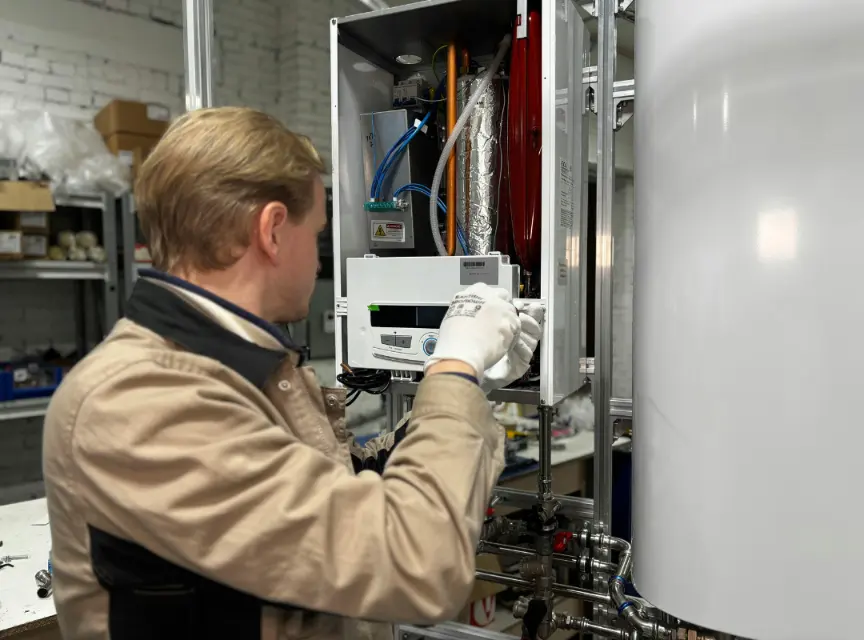
Furnace Cycling on and Off Without Reaching Temperature
Furnace Repair Service Inspection Process

Dirty Air Filter Blocks Proper Airflow

One of the most common causes of short cycling is a dirty air filter. When your filter becomes clogged with dust and debris, it restricts the airflow your furnace needs to operate efficiently. As your system tries to heat the air, the heat exchanger warms up quickly due to limited air movement. This causes your furnace to overheat, triggering safety mechanisms that shut down the system early.

Restricted airflow forces your blower motor to operate beyond its design limits, leading to increased wear and higher energy consumption. Fortunately, this issue offers one of the easiest solutions in furnace maintenance in Clarksville. Simply replacing your air filter every one to three months can resolve this problem entirely. During troubleshooting, checking your filter should be your first step. This small investment in regular maintenance prevents much larger issues down the road.

Blocked Vents & Closed Air Registers

Your home’s airflow depends on clear pathways through vents and registers throughout each room. When furniture, rugs, or curtains accidentally block these openings, or when registers remain closed, heated air becomes trapped within your ductwork. This situation creates the same overheating conditions that trigger early shutdowns.

Take a walk through your home and inspect each air vent and register. Move any obstructions and ensure all registers stay open, even in unused rooms. This simple step often resolves short-cycling issues while improving comfort and efficiency throughout your home. You can also hire vent cleaning in Springfield for an expert job.

Oversized Furnace Creates Rapid Cycling

While it might seem logical that a larger furnace provides better heating, an oversized system can create comfort issues. When your furnace capacity exceeds your home’s heating needs, it heats spaces too quickly, resulting in poor temperature distribution.

An oversized unit rapidly warms the air around your thermostat, causing the system to shut off before other areas of your home reach comfortable temperatures. This creates an ongoing cycle in which your furnace frequently starts and stops, resulting in inconsistent comfort. Modern high-efficiency furnaces especially benefit from precise sizing to operate at their designed efficiency levels. A certified technician can evaluate your home’s specific heating requirements and recommend appropriately sized equipment.

Malfunctioning Thermostat Sends Wrong Signals

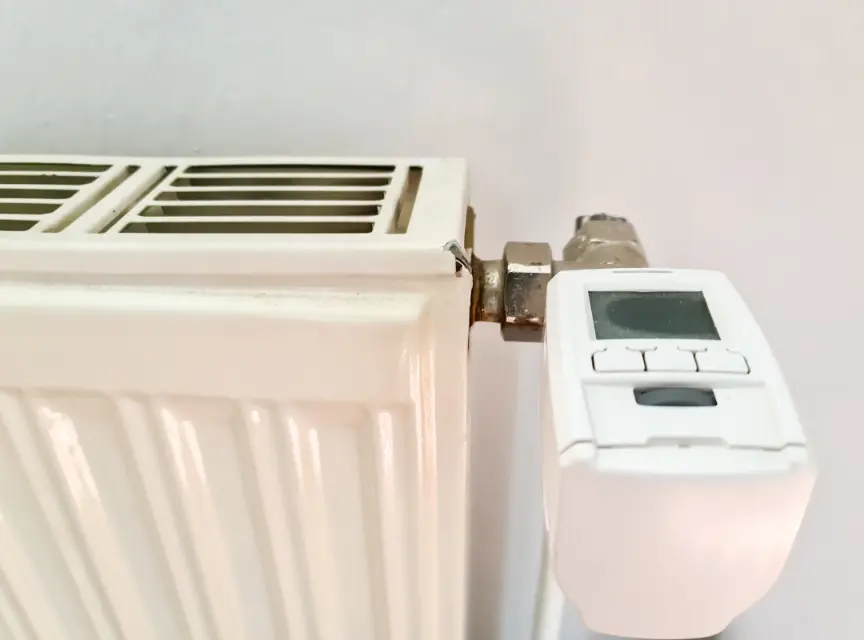
Your thermostat serves as the communication center for your entire heating system. When it malfunctions or receives incorrect temperature readings, it can cause your furnace to cycle inappropriately. Direct sunlight hitting your thermostat, for example, might make it sense artificial warmth that doesn’t reflect your actual room temperature.

Start troubleshooting by replacing thermostat batteries and verifying your temperature settings. If you use a programmable or smart thermostat, review its settings to ensure they match your comfort preferences. When these basic steps don’t resolve the issue, a qualified technician can inspect electrical connections and internal components.

Dirty Flame Sensor Shuts Down the Furnace

Gas furnaces include important safety features that protect your home, such as a flame sensor that verifies proper combustion. This component detects when natural gas burns correctly and maintains safe operation. If the sensor cannot verify proper flame, it immediately shuts off the gas supply to prevent dangerous accumulations.

Over time, the flame sensor can collect residue that interferes with its ability to detect flame properly. When this happens, your furnace starts normally, the burners ignite, but the system shuts down after just a few seconds when the sensor fails to confirm proper combustion. The system then attempts to restart, resulting in a short-cycling pattern. Professional cleaning or replacement of the flame sensor restores proper operation and maintains the safety features that protect your home.

Call Us Today

24 Hours a Day, 7 Days a Week.

Pressure Switch & Vent Pipe Problems

Your gas furnace includes a pressure switch that monitors proper ventilation before allowing ignition. This safety feature ensures adequate exhaust flow through your vent pipe, confirming that combustion gases exit your home safely. When the pressure switch detects blockages or airflow restrictions, it prevents the heating cycle from continuing.

External factors such as debris, snow accumulation, or animal nests can obstruct vent pipes. These blockages prevent proper exhaust release and trigger safety shutdowns that protect your home from carbon monoxide buildup.

Hvac Short Cycling Furnace Issue
Heating System Repair and Diagnostics
If you suspect ventilation issues, contact a professional immediately. Proper venting protects your family’s health and safety, making this a priority repair that shouldn’t wait.

Failing Blower Motor or Blower Wheel Issues

Your blower motor circulates heated air throughout your home, ensuring comfortable, efficient operation. When the motor begins to fail or the blower wheel becomes damaged, airflow decreases significantly. Reduced airflow causes your heat exchanger to overheat, triggering early shutdowns. You might notice unusual sounds like grinding or rattling coming from your furnace when mechanical components begin to wear out. These symptoms often indicate that your blower system needs professional attention.

A certified technician can evaluate your blower motor and wheel assembly to determine whether repair or replacement is the best solution. Addressing these issues promptly prevents further damage and restores consistent heating performance.

Heat Exchanger Overheating

The heat exchanger transfers combustion heat to the air circulating through your home. When airflow around this component is restricted, temperatures rise above safe operating levels, triggering the furnace’s limit switch to shut down the system.

Heat exchanger problems require immediate professional attention, especially if cracks develop that could allow combustion gases to enter your living space. If you notice inconsistent heating or repeated shutdowns, scheduling an inspection helps ensure both comfort and safety in your home.

Gas Valve or Fuel Supply Trouble

The gas valve controls the flow of natural gas to your burners, regulating the combustion process. When this component malfunctions or sticks, your furnace may repeatedly cycle on and off due to inconsistent fuel delivery.

Gas system repairs require specialized training and safety procedures. Always contact a certified technician for any issues involving natural gas components. Professional handling ensures both proper repair and ongoing safety for your family.

Faulty Wiring & Electrical Problems

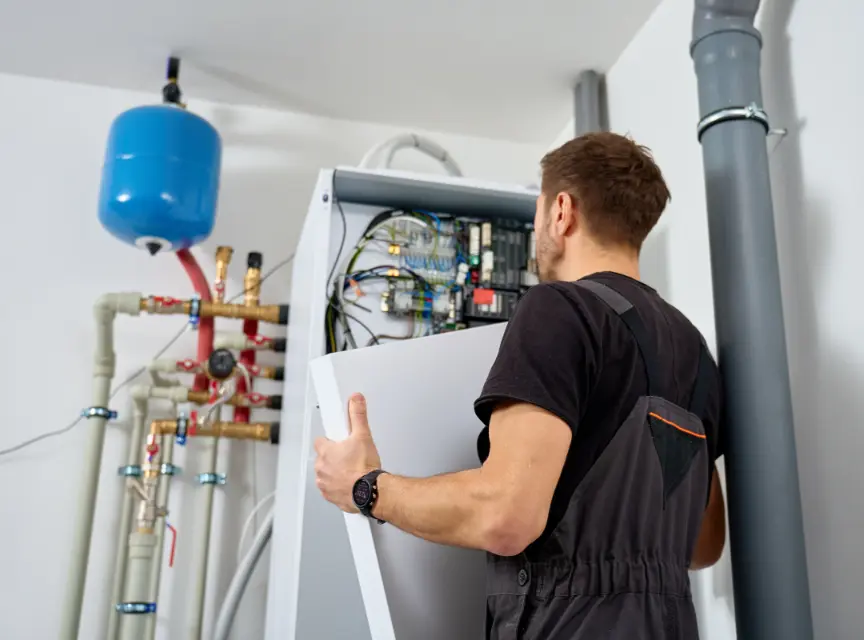
Electrical connections throughout your furnace system enable communication between components. When wiring becomes loose or damaged, signals between components are interrupted, causing unpredictable start-and-stop patterns.

While you can visually inspect accessible electrical connections during basic troubleshooting, detailed electrical diagnostics should always be performed by qualified professionals. Electrical issues can affect both system performance and safety, making professional evaluation the wisest choice.

How Short Cycling Wastes Energy & Money

Each time your furnace starts up, it requires additional energy beyond normal operation. Short cycling prevents your system from reaching peak furnace efficiency, resulting in higher energy consumption for the same amount of heating. This inefficiency directly impacts your monthly utility bills.

You might notice that your heating costs exceed those of similar homes in your area, or that bills remain high despite reasonable temperature settings. These patterns often indicate short cycling issues that can be resolved with proper diagnosis and repair. Frequent cycling also accelerates wear on system components, potentially shortening the lifespan of motors, switches, and controls.

When Should You Call A Professional?

Recognizing when to seek professional help ensures you address issues before they become more serious or expensive. Contact a qualified technician when you notice:

  • Cycling patterns that occur every few minutes
  • Rooms that remain uncomfortably cool despite frequent operation
  • Unusual sounds from your furnace
  • Inconsistent heating throughout your home
  • Unexplained increases in heating costs
  • Your furnace shuts off shortly after ignition

Professional HVAC service provides a thorough system evaluation, examining components like air filters, gas valves, flame sensors, pressure switches, blower motors, and electrical connections. Annual maintenance visits help prevent short-cycling issues before they affect your comfort or budget.

Protect Your Heating System With Preventive Care

Simple maintenance steps help prevent short cycling and maintain reliable heating performance. Replace air filters regularly, keep vents and registers clear, monitor thermostat batteries, and schedule annual professional maintenance. These straightforward practices ensure proper airflow and stable heating cycles.

Your heating system should operate quietly and consistently, reaching your desired temperature without constant restarting. When you notice early shutdown patterns, addressing them promptly prevents larger issues from developing. Most short cycling problems respond well to proper diagnosis and targeted solutions.

Stop Furnace Short Cycling Before It Wastes Your Heat

When your furnace turns on and off without ever reaching the set temperature, it’s a warning sign. Short cycling can signal airflow problems, thermostat issues, overheating components, or even a system that was never sized correctly. Green Street HVAC diagnoses the root cause instead of offering quick fixes. Our technicians inspect filters, burners, blowers, and safety controls to pinpoint why your system keeps shutting down. If you need a repair, system tune-up, full replacement, or help with your AC before the seasons change, our team handles it with precision and urgency. Don’t let a struggling furnace keep your home in the cold. Contact us today and get your heating system running the way it should. Schedule a visit now!
LOOKING TO REPAIR, REPLACE OR UPGRADE?

Our experts can walk you through every step of the way, from prospected which tailored solution would be best for you, to installing and maintaing it…

Frequently Asked Questions

Understanding common concerns helps you make informed decisions about your heating system care. Here are questions homeowners frequently ask about short cycling and furnace performance:

A: Green Street HVAC provides detailed system evaluation by certified professionals who understand the interconnected nature of heating systems. Our team thoroughly examines air filters, flame sensors, pressure switches, gas valves, and electrical connections to identify the root cause of short cycling. We focus on lasting solutions that restore normal heating cycles and improve overall system performance.

A: Yes, Green Street HVAC provides annual maintenance services designed to prevent short cycling and other common heating issues. Our maintenance approach focuses on improving energy efficiency, protecting system components, and ensuring reliable operation throughout the heating season. Regular professional care helps you avoid unexpected problems and maintain optimal comfort.

A: Absolutely. Our certified technicians specialize in servicing both traditional and high-efficiency furnace systems. We understand the unique requirements of modern equipment and provide expert troubleshooting for thermostat issues, airflow problems, and efficiency concerns. Our team stays current with evolving technology to effectively service all types of heating systems.

A: Yes, unusual sounds often indicate developing issues with blower motors, blower wheels, or other mechanical components. Early professional attention prevents minor problems from becoming major repairs. Our team can quickly identify the source of unusual noises and recommend appropriate solutions to restore quiet, efficient operation.

A: Contact Green Street HVAC directly to arrange a convenient inspection time. Our technicians respond promptly to diagnose short cycling, inconsistent heating, and energy-efficiency issues. We work around your schedule to provide the heating system care you need for reliable comfort.