What Is the Average Life of an Air Conditioner Capacitor?
Maybe you are one of those homeowners who don’t think about the small electrical parts inside the cooling equipment. You turn the system on, cool air flows, and life feels just perfect. But one component plays a huge role in getting your equipment running each day: “The Capacitor”. If you’ve ever wondered what the average life of an air conditioner capacitor is, you’re already ahead of most homeowners. So let’s answer this question in today’s blog.
What an Air Conditioner Capacitor Does & Why It Matters
An air conditioner capacitor sits inside the indoor and outdoor equipment. It stores energy and releases it during startup and during the cooling cycle. Without it, your air conditioner:
- Can’t start
- Can’t stay running
- Can’t circulate cool air through your home
Because this part works constantly, it also wears down with the passage of time. Knowing how AC capacitors age, what they do, and how long AC capacitors last can help you recognize early signs of HVAC trouble before your system shuts down.
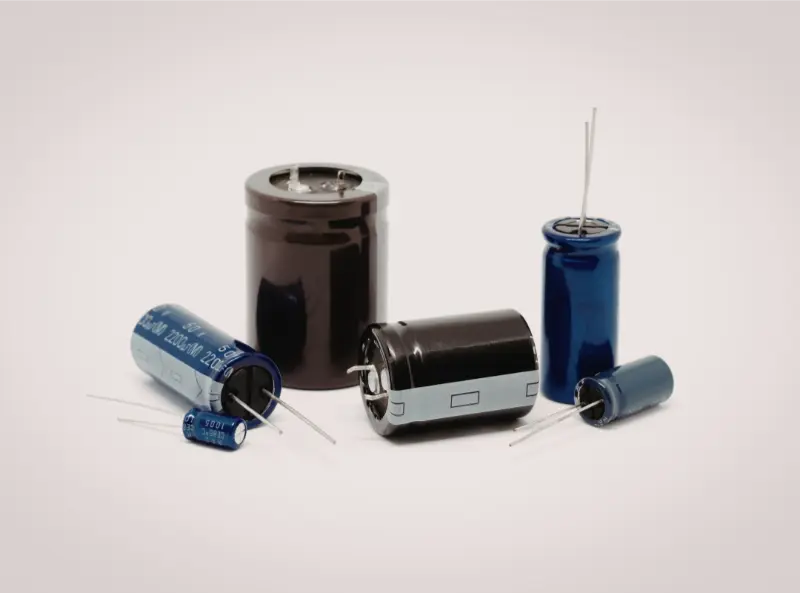
How Capacitors Work Inside an AC Unit
Capacitors operate like small batteries as they store power for short bursts and help different parts of your cooling unit start and run. Most cooling equipment uses two main types of capacitors:
- Start capacitors
- Run capacitors
A start capacitor delivers a quick energy boost to the compressor or blower motor. A run capacitor maintains a steady current as the air conditioning system operates. Both are essential for a trouble-free cooling system cycle.
Your capacitor works alongside your compressor, evaporator coils, and motor to move refrigerant and produce cool air. But in case the capacitor weakens, those parts strain to run. This is the reason why a single failing capacitor can shut down your entire HVAC system.
So, What Is the Average Life of an Air Conditioner Capacitor?
On average, most capacitors last between 5 and 15 years. But remember that the number varies for several reasons, such as:
- The quality of the materials
- The heat inside the equipment
- Local weather patterns
All of these affect how long the AC capacitors last. Some AC units run with high internal heat. Some sit in direct sun. Some go through power surges that damage electrical parts. Others run through long summers that push the capacitor harder.
Because of this, the answer to “what is the average life of an air conditioner capacitor” is not a single number. But most homeowners see the first signs of wear around year 7 or 8. If your equipment is older than that, the AC capacitor becomes a common failure point.
Why AC Capacitors Fail
A failing capacitor can stop your air conditioning system from running entirely. When a capacitor fails, you might:
- Observe weak airflow
- Hot air from vents
- Constant clicking sounds from the outdoor unit
These symptoms can confuse you because they generally look like motor trouble or refrigerant problems.
Here’s why capacitor issues happen:
1. High Heat
Electric components wear down really fast in hot conditions. The outdoor compartment absorbs sun and heat, which shortens the life of your HVAC capacitor.
2. Power Surges
Short electrical spikes also cause wear. Even minor surges chip away at internal components until a faulty capacitor reaches its limit.
3. Excessive System Cycling
If your air conditioner unit cycles too often, the capacitor has to work really hard. This causes early capacitor failure.
4. Age
An AC capacitor has a simple job, but it performs that job thousands of times each season. Time alone can weaken internal wiring and materials.
5. Heavy Strain From Other Issues
Problems such as dirty coils, motor strain, or refrigerant leaks cause the capacitor to work harder than usual. This extra load often creates bad AC capacitors sooner than expected.
How to Recognize a Bad Capacitor in Your Cooling System
Spotting a bad capacitor on AC early can protect your equipment from extra damage. When the capacitor weakens, motors struggle to start, and this strain burns out other parts inside the air handler and outdoor unit.
Remember to look for signs like:
- A system that shuts down before cooling your home
- Clicking noises from the equipment
- Loud humming during startup
- The fan on the outdoor system that is not spinning
- Warm air blowing from indoor vents
- Delayed startup during the cooling cycle
If you notice these problems, a qualified HVAC technician can diagnose the problem and fix it. Many homeowners mistake AC capacitor problems for motor issues, but an experienced eye can test the charge and pinpoint the failing part.
Start Capacitors vs Run Capacitors: Do They Last the Same?
The average life of a capacitor depends on the part type. Start capacitors use intense and short bursts of energy, which wear down faster. Run capacitors deliver stable power and generally last longer.
However, both parts face the same stresses inside an air conditioning unit: heat, cycling, voltage fluctuations, and age. That’s why both types fail mostly at the same time if the equipment is old.
Knowing how AC capacitors work helps you catch problems early and avoid sudden breakdowns during hot summer days.
How a Capacitor Failure Affects the Entire HVAC System
A single part can impact your entire cooling system. When the capacitor weakens, the compressor and blower motor struggle. The strain reduces the ability of the cooling system to circulate cool air.
Also, remember that if the compressor can’t start, the refrigerant doesn’t move. The evaporator coils stay warm instead of cooling down. The thermostat keeps calling for cooling, but nothing happens. You might hear buzzing, clicking, or short bursts of activity. Ignoring these problems can cause you more expensive repairs later.
A failing component can damage:
- Wires
- Motors
- Control boards
- The compressor itself
A compressor replacement costs far more than a simple capacitor replacement. This is the reason why recognizing a failing capacitor early is important.
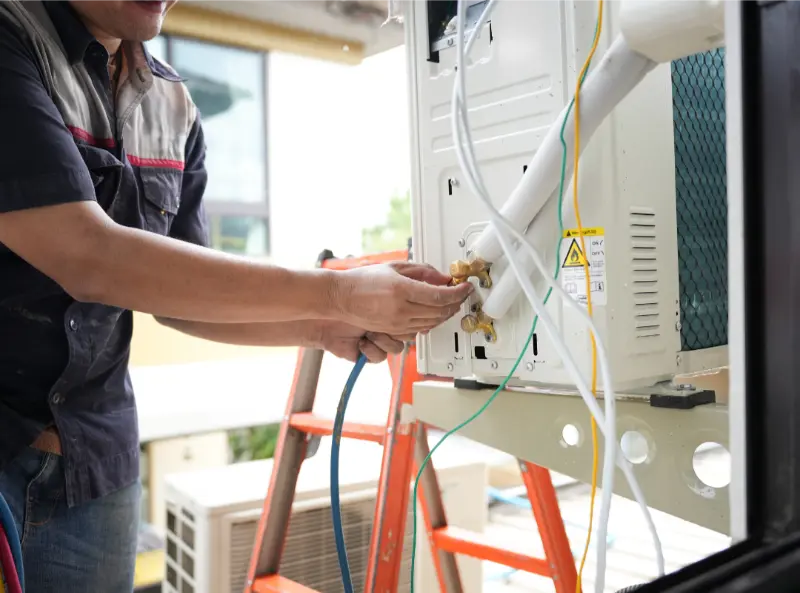
Why You Need HVAC Technician for Capacitor Replacement
Working with electrical parts is extremely risky and is not at all a DIY task. A capacitor stores power, even when the equipment is off. Only experienced and trained HVAC contractors should discharge and replace the part.
A HVAC technician will:
- Test voltage levels
- Checks for secondary issues
- Inspects wiring
- Confirms that no strain has damaged other components
HVAC professionals also confirm that the new capacitor meets the right rating for your AC or heat pump. Also, a capacitor that doesn’t match the equipment can lead to another early failure. Therefore, you should always follow the routine maintenance
How to Extend the Life of AC Capacitors
You can’t stop the damage completely, but you can reduce strain on the capacitor by keeping your HVAC equipment well-maintained. Here are a few simple habits to follow:
- Schedule cooling inspections every year
- Keep the outdoor unit clear of dirt and debris
- Fix refrigerant leaks
- Replace filters that are clogged
- Fix strange noises right away
Because each of these steps reduces strain, they support the life of the capacitor and protect other system parts at the same time.
Conclusion
So, what is the average life of an air conditioner capacitor? Most last 5 – 15 years, but multiple factors influence that range. Part quality, heat, cycling, and electrical surges all impact how long the component runs.
A failing capacitor can shut down your air conditioning system fast. But early signs like clicking, weak airflow, and slow starts can help you catch problems early. Call a qualified HVAC technician when your cooling system shows warning signs. They can diagnose capacitor issues, replace the part, and protect the rest of your system from strain.
Call Greenstreet HVAC for AC Repair & More
If your cooling system struggles to start or shows signs of capacitor trouble, it’s the right time to get help from the professionals. Call Green Street HVAC today for trusted service on cooling equipment in Springfield, Tennessee.
We offer AC Repair, Heat Pumps, AC Install, Duct Cleaning, HVAC Maintenance, and Thermostat Repair and Installation for reliable cooling and safer electrical performance inside your home or commercial space.
Call Green Street HVAC today to schedule your service!