
Difference Between Charging AC and Adding AC
Air conditioners keep your indoor space cool and comfortable, especially during hot months. But many people feel confused when they hear terms like charging AC or adding AC. The difference between charging AC and adding AC often creates misunderstandings, even for those who use an air conditioner daily. One refers to a complete and correct process, while the other often points to a quick fix. We will break it all down so you understand what your AC system needs and how to handle it the right way. Keep reading to learn how to keep your system running smoothly and avoid costly repairs.
What Is an AC Recharge & Why Does It Matter
An AC recharge means restoring the correct refrigerant levels in a closed system. Your air conditioner does not consume refrigerant like fuel. It circulates it through refrigerant lines, where it absorbs heat and releases it outside.
If your AC system shows low refrigerant, something has gone wrong. A refrigerant leak often causes this issue. When a technician performs a recharge, they do more than just add refrigerant. They inspect the system, check pressure levels, and fix leaks before they refill it.
A proper recharge ensures your system delivers consistent cool air. It also protects key components like the AC compressor, condenser, and evaporator. Without the right refrigerant levels, your unit struggles, leading to higher pressure, reduced efficiency, and expensive repairs.
What Does “Adding AC” Really Mean?
Many people use the term adding AC when they talk about adding refrigerant quickly without checking the root cause. This approach often involves topping off the system without proper inspection.
While adding refrigerant may bring temporary relief, it does not solve the real problem. If your AC is blowing warm air, low refrigerant levels likely indicate a leaking system. Simply adding more refrigerant ignores leaks or damaged components. Think of it like filling a leaking bucket. You keep pouring water, but the level never stays stable. Over time, this quick fix can lead to major repair needs and higher costs.
Key Differences Between Charging AC & Adding AC
Understanding the difference helps you make better decisions for your home AC or your car’s AC system.
- AC Recharge: A complete process. It includes leak detection, leak repairs, pressure checks, and correct refrigerant refill. It follows EPA regulations and requires a qualified technician.
- Adding Refrigerant: A quick top-up. It skips inspection and focuses only on adding more refrigerant. It may involve DIY kits or unverified methods.
- Long-Term Impact: Recharge improves efficiency and protects the system. Adding refrigerant may lead to costly breakdowns.
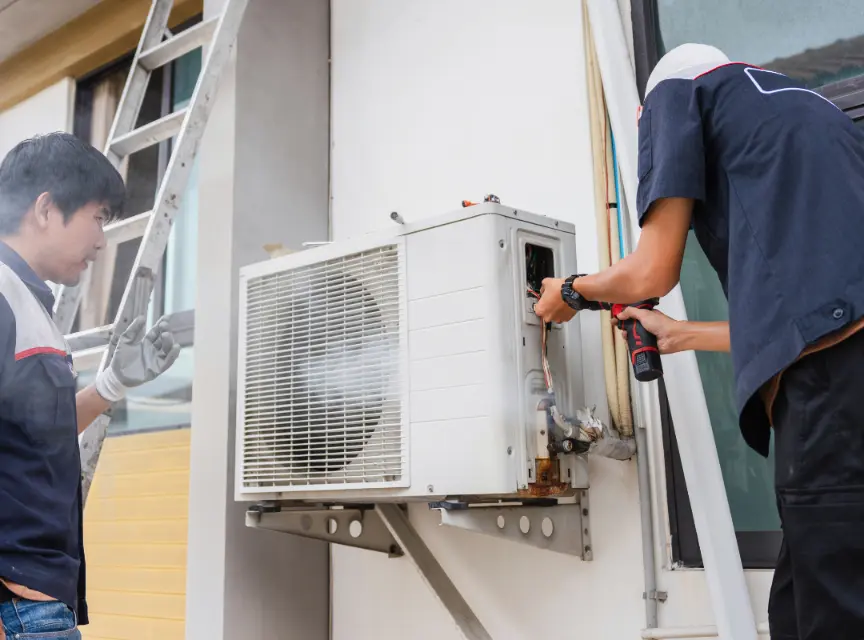
- System Health: Recharge keeps the closed system balanced. Adding refrigerant may cause high pressure and damage hoses, seals, and other components.
Signs Your AC Needs Attention
Your air conditioner often gives warning signs before a breakdown. You just need to spot them early.
If your AC is blowing warm air or you feel reduced cool air, check for low refrigerant. Strange noises from the compressor or evaporator also signal trouble. You may notice oily residue around refrigerant lines, which often points to leaks.
A gradual decline in AC cooling performance, higher energy bills, and longer operating cycles also indicate a problem. Ignoring these signs can lead to expensive repairs that may cost thousands.
Why Refrigerant Levels Drop in the First Place
Refrigerants do not disappear on their own. Your AC unit works as a sealed unit. When levels drop, leaks cause the issue.
Small leaks may develop in hoses, seals, or the expansion valve. Over time, these small problems grow into larger ones. Moisture can enter the system, which affects the cooling process and damages internal components.
In some cases, corrosion in the condenser or evaporator can lead to refrigerant loss. Physical damage or poor AC installation may also cause leaks. That is why routine maintenance plays a critical role in keeping your system in good shape.
The Risks of Ignoring a Proper AC Recharge
Skipping a professional AC recharge can create bigger problems down the road. When refrigerant levels stay low, your compressor works harder. This added strain can lead to failure, which often requires replacement.
A damaged compressor ranks among the most costly AC repairs. It can cost thousands, depending on the unit. High pressure inside the system may also damage other components, including hoses and seals.
In addition, low refrigerant reduces efficiency. Your system consumes more energy while delivering less cooling. This leads to higher utility bills and poor indoor comfort.
Home AC vs Car AC: Does the Same Rule Apply?
Yes, the same concept applies to both home AC units and a car’s AC system.
In a vehicle, the car’s AC relies on refrigerant to produce cold air. If your car’s AC starts blowing warm air, low refrigerant, or leaks, it can cause the issue. A simple recharge without fixing leaks may only offer temporary relief.
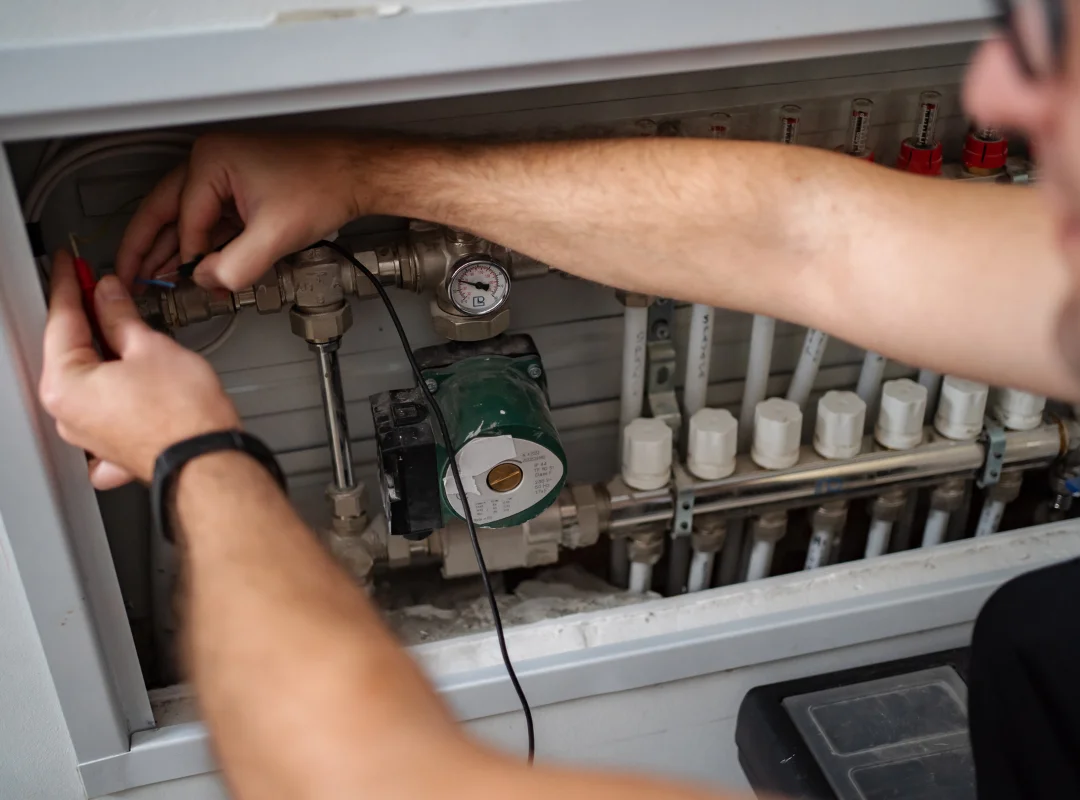
For a home AC unit, the process remains similar but more complex. Larger systems require precise measurement of how much refrigerant to add. HVAC experts use gauges to check low-side pressure and ensure proper balance.
Whether you deal with a home AC or a car AC, you should always address the root problem instead of applying a quick fix.
DIY Kits vs Professional AC Service
DIY kits may look like a cost-effective option, but they come with risks. These kits often encourage adding refrigerant without checking system pressure or identifying leaks.
Improper use can lead to overcharging, which increases pressure and damages the compressor. It may also introduce moisture into the system, which harms performance.
A professional AC service follows proper steps. A qualified technician checks refrigerant levels, inspects the system, repairs leaks, and ensures safe operation. They also follow EPA regulations when handling refrigerants like Freon.
Professional service protects your system, improves efficiency, and prevents costly repairs.
How Routine Maintenance Keeps Your AC Running Smoothly
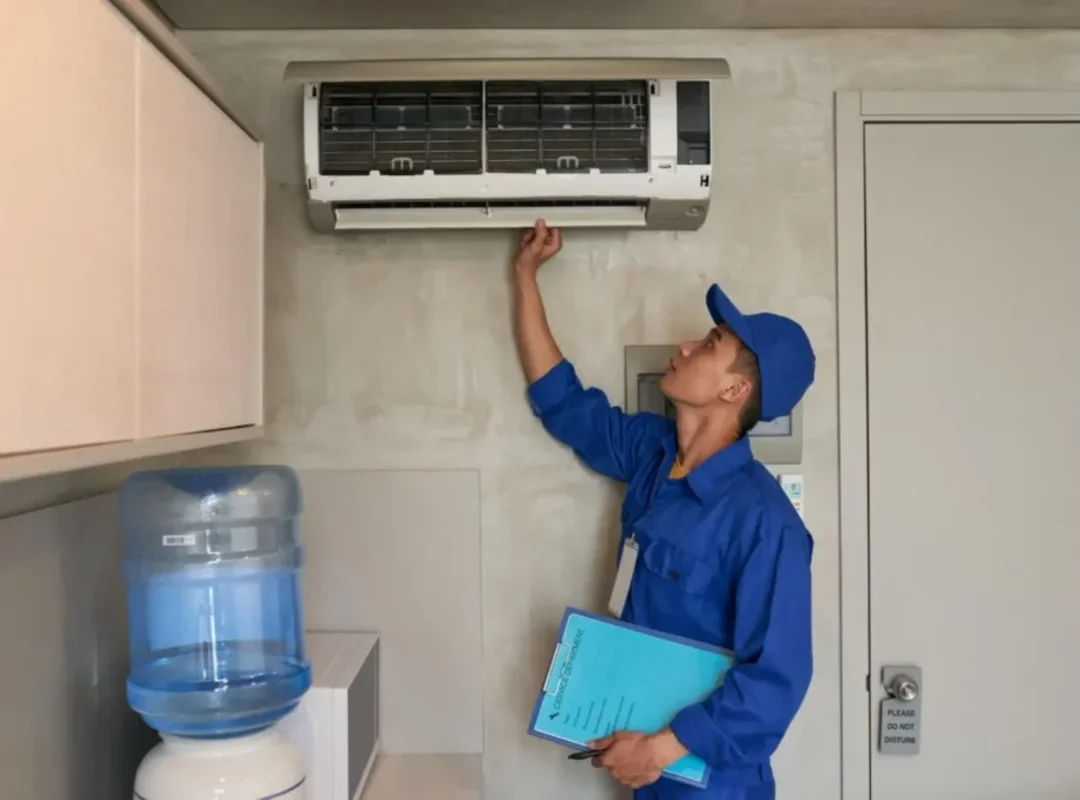
Routine maintenance helps you avoid sudden breakdowns. Regular inspections allow technicians to spot small leaks, worn hoses, or damaged components before they become major repair issues.
Maintenance includes checking refrigerant levels, cleaning coils, inspecting the condenser, and ensuring proper airflow. These steps improve efficiency and extend the life of your unit.
When you invest in regular service, you protect your AC system and reduce long-term costs. You also ensure consistent cool air during peak seasons.
Choose the Right Approach for Long-Term Comfort
Understanding the difference between charging AC and adding AC helps you make smarter decisions. A simple recharge done the right way keeps your system efficient and reliable. On the other hand, adding refrigerant without fixing leaks only delays the problem. Always rely on HVAC experts for accurate diagnosis and repair. Address small problems early to avoid costly damage later. When you take the right steps, your air conditioner will stay efficient and keep your space comfortable.
Frequently Asked Questions
If you still have questions, here are some helpful answers based on what homeowners often ask online.
Q1. Does Green Street HVAC offer AC recharge services in Johnson City?
A: Yes, Green Street HVAC provides professional AC recharge and AC repair services in Johnson City. Our team checks refrigerant levels, identifies leaks, and ensures your system runs efficiently.
Q2. Can Green Street HVAC fix an AC blowing warm air in Knoxville?
A: Absolutely. If your AC is blowing warm air in Knoxville, our qualified technicians inspect the system, find refrigerant leaks, and perform proper repairs to restore cool air.
Q3. Does Green Street HVAC handle car AC system repairs in Nashville?
A: Green Street HVAC mainly focuses on home AC units, but they can guide you on car AC issues and recommend trusted services in Nashville if needed.
Q4. How much does a home AC recharge cost with Green Street HVAC in Knoxville or Johnson City?
A: The cost depends on several factors, like refrigerant levels, leak repairs, and system condition. Green Street HVAC provides transparent pricing after a full inspection in Knoxville and Johnson City.
Q5. Should I call Green Street HVAC for routine maintenance in Nashville?
A: Yes, routine maintenance from Green Street HVAC in Nashville helps prevent leaks, improve efficiency, and protect your system from costly repairs over time.
Get Your AC Fixed Right with Green Street HVAC
If your AC is blowing warm air, you might hear terms like “charging” or “adding refrigerant”. Getting this wrong can lead to bigger problems. Adding refrigerant without fixing a leak is like pouring water into a cracked bucket. It won’t last, and it can damage your system over time. Green Street HVAC identifies the real issue first. Our technicians handle AC diagnostics, refrigerant leak detection, HVAC system repairs, and complete cooling system services to restore proper performance.
We also provide preventive maintenance to keep your system efficient and reliable through the hottest months. Contact us today and get your AC fixed the right way, once and for all.