What Permits and Inspections Are Required For Residential AC Installation

Installing a new air conditioner in your home is an exciting step toward greater comfort and energy efficiency. You’re probably looking forward to cooler summers and lower utility bills. But, before your installation team arrives, there’s some important paperwork to consider. Many homeowners wonder about permits and inspections for residential AC installation, and the answer varies based on your local area and project details. This guide walks you through the permit process, helping you stay compliant, ensure your family’s safety, and protect your investment. Understanding these requirements upfront saves time and prevents headaches down the road.

Why Permits Matter More Than You Think

When planning an AC installation in Greenbrier, most homeowners naturally focus on selecting the right equipment. It involves comparing energy-efficiency ratings, sizing requirements, and features that improve comfort. Permits often feel like an afterthought, but overlooking them creates unnecessary risks for your family and property.

Skipping permits might seem like a shortcut, but unpermitted work often leads to bigger problems. Safety hazards become more likely when installations aren’t properly reviewed. Insurance claims can become complicated, and future home sales may hit snags when buyers discover unpermitted work during inspections.

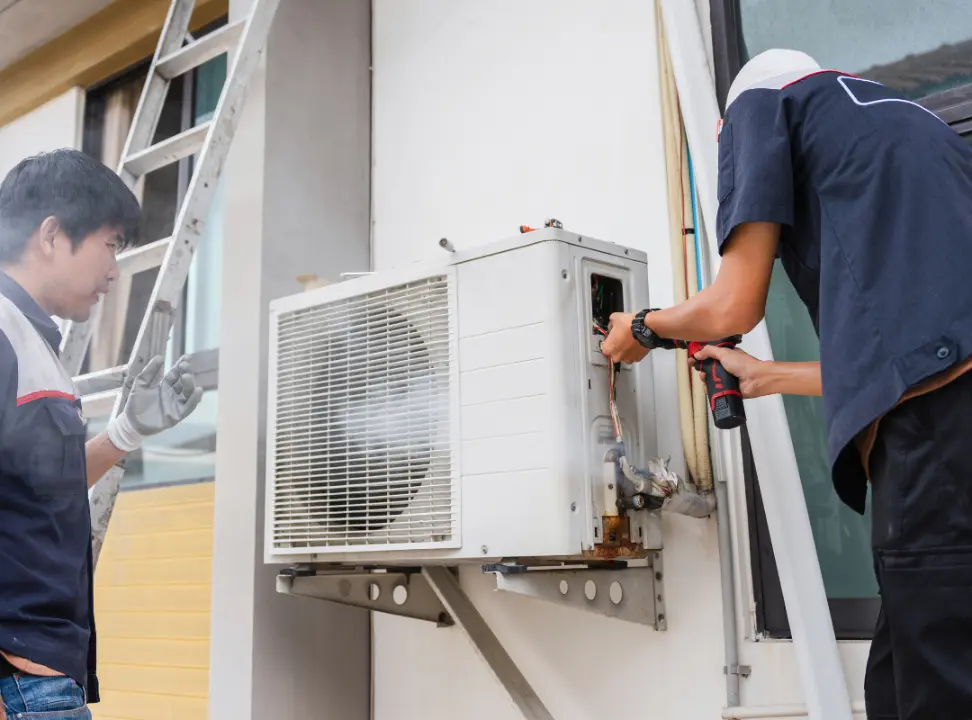
Residential AC installation permits and inspections
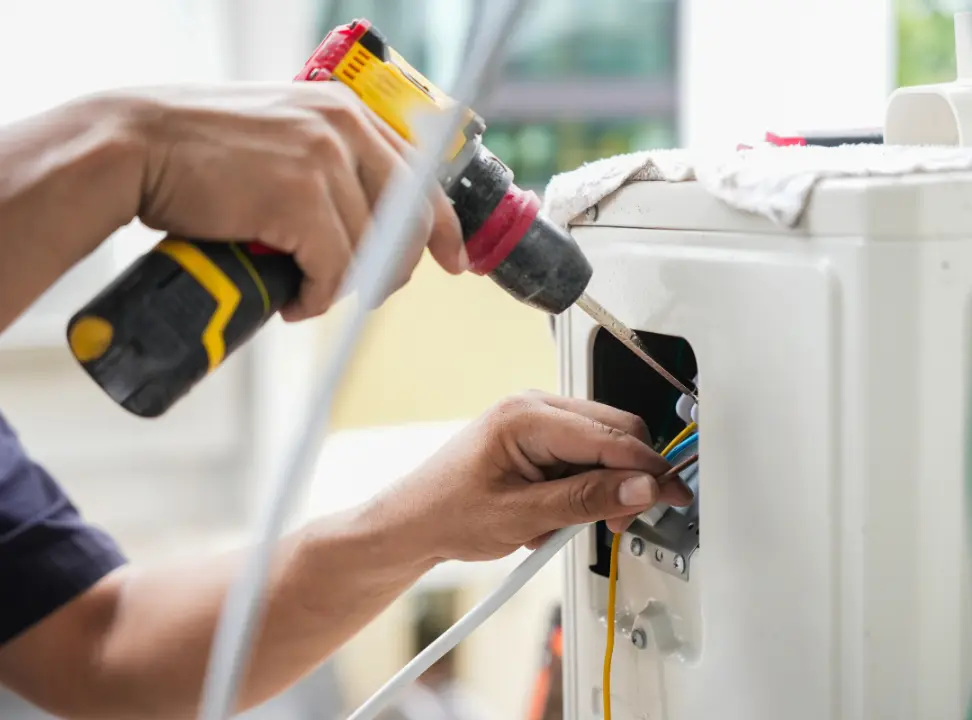
AC installation service inspection process

When Do You Need a Permit for AC Installation?

Understanding when permits apply helps you plan your project timeline and budget accurately. While requirements vary by location, most residential AC work falls into permit territory.

You’ll typically need a permit for:

  • Installing a completely new AC system
  • Replacing your existing unit with newer equipment
  • Moving your air handler to a different location
  • Upgrading electrical wiring to support your system
  • Connecting gas lines for heating equipment
  • Modifying refrigerant piping routes
  • Making structural changes to accommodate equipment

Projects involving electrical upgrades, new ductwork, or significant insulation work almost always require a permit.

Local building departments want to ensure these changes enhance your home’s safety and performance rather than creating future problems.

Minor repairs, such as thermostat replacements or capacitor swaps, usually don’t require permits. However, professional AC installations nearly always do. Your licensed contractor can clarify local requirements and guide you through the process, ensuring your project starts on the right foot.

Who Pulls the HVAC Permit?

Here’s the good news, you typically won’t handle permit paperwork yourself. Professional HVAC contractors manage this process as part of their service, bringing expertise and local knowledge to streamline approvals.

Your licensed AC installation contractor in Clarksville submits applications directly to your local building department, providing detailed information about equipment specifications, electrical requirements, system sizing, and installation plans. Building officials review these submissions and grant approval once everything aligns with local safety codes.

Understanding the Permit Process Step by Step

The permit process follows a logical sequence that protects both homeowners and communities. Understanding each step helps set realistic expectations for your project timeline.

First, your contractor prepares and submits the permit application. This includes detailed cooling system specifications, load calculations for proper sizing, and equipment documentation that demonstrates compliance with local codes. Next, building department officials review the application thoroughly. They verify that proposed work meets electrical standards, structural requirements, and safety regulations specific to your area.

Once approval comes through, installation work can begin according to the approved plans. After your contractor completes the installation, a final inspection is scheduled. During this visit, the inspector verifies proper connections, safety measures, and overall compliance with approved specifications.

Call Us Today

24 Hours a Day, 7 Days a Week.

What Does the Inspector Actually Check?

Understanding what inspectors look for helps ensure your installation meets all requirements the first time. Their focus centers on safety, efficiency, and long-term performance.

During the final inspection, you can expect a review of:

  • Electrical connections and proper grounding systems
  • Disconnect switches and safety controls
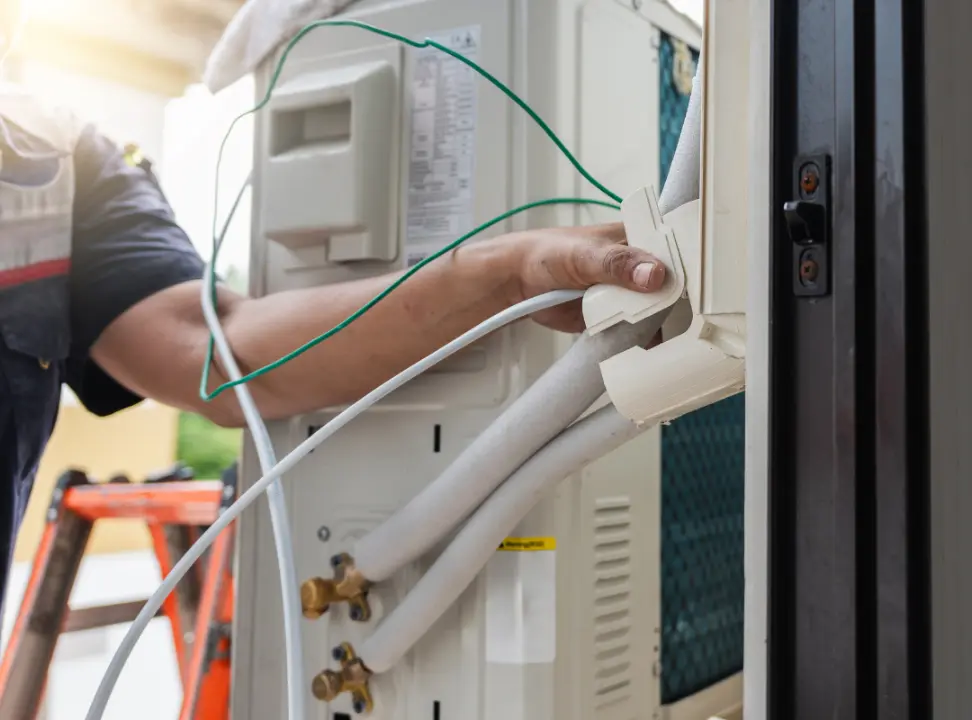
  • Refrigerant piping installation and connections
  • Gas line connections for heating components
  • Condensation drainage systems
  • Air handler placement and airflow requirements
  • Equipment clearances for safe operation and maintenance
  • Compliance with manufacturer installation specifications
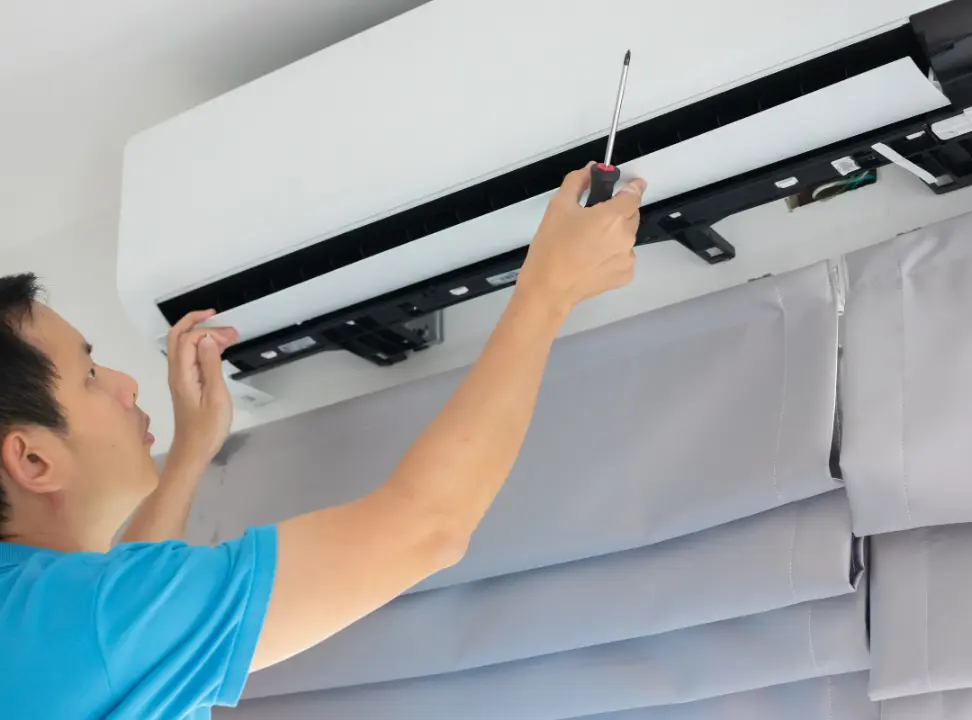
HVAC installation permit requirements for homes
Air conditioning installation inspection checklist

Some areas utilize third-party inspection services to handle high demand efficiently. This thorough review process protects your family and your investment. When inspectors verify proper installation, you gain confidence that your system will perform reliably and safely throughout its lifespan.

What Happens If You Skip the Permit?

While permit fees might seem like an unnecessary expense, skipping this step often costs much more in the long run. Understanding these consequences helps you make the right decisions about your project. Unpermitted work creates genuine safety risks. Improper electrical connections can lead to fire hazards. Incorrect refrigerant piping may cause duct leaks that damage your system and property.

When selling your home, buyers’ inspectors often discover unpermitted work during their review. This discovery can delay closings, require expensive corrections, or even derail sales entirely. Some municipalities require after-the-fact permits that include penalties and additional fees.

Local Codes & Location Matter

Permit requirements reflect local conditions and safety priorities, so they vary significantly across communities. Understanding your area’s specific needs ensures compliance and proper cooling system performance.

Your professional contractor brings valuable local knowledge to your project. They understand regional requirements, maintain relationships with local building departments, and approval processes efficiently. Verifying requirements with your local building department before work begins prevents delays and ensures your system meets all applicable standards.

How Much Do Permit Fees Cost?

Permit fees vary by location and project scope, typically calculated as either a percentage of the total project cost or a flat rate for residential installations. While these fees add to your upfront investment, they provide protection.

These costs cover professional review services, inspection visits, and official documentation that becomes part of your home’s permanent record. Permit fees ensure professional oversight and proper installation practices. 

The long-term value of proper permits far exceeds their initial cost. Compliant installations protect your family’s safety, maintain your home’s value, and prevent expensive complications during future sales or insurance claims.

How a Professional HVAC Company Makes It Easy

Working with experienced professionals transforms the permit process from a potential headache into a seamless part of your installation experience. Quality contractors handle every detail, allowing you to focus on enjoying your improved comfort.

Professional companies manage permit applications, coordinate with building departments, schedule required inspections, and ensure compliance throughout your project. Their teams understand local codes, manufacturer requirements, and proper installation techniques that pass inspections the first time. Choosing licensed, experienced contractors reduces stress while protecting your investment. Their expertise ensures your project proceeds smoothly from initial planning through final approval.

Trust Green Street HVAC to Avoid AC Installation Delays

Installing a new AC system without the proper permits or inspections can create major setbacks. Missed paperwork, failed inspections, or code violations can delay your project and cost you more than expected. Green Street HVAC handles the process from start to finish. Our team understands local building codes, pulls the required permits, coordinates inspections, and installs your system the right way the first time. We also provide full HVAC maintenance, heating services, and repair work to keep your home comfortable in every season. Skip the red tape and avoid costly mistakes. Contact us today or schedule a visit and move forward with an AC installation that meets all requirements and keeps your home cool without complications.

LOOKING TO REPAIR, REPLACE OR UPGRADE?

Our experts can walk you through every step of the way, from prospected which tailored solution would be best for you, to installing and maintaing it…

Frequently Asked Questions

These common questions help homeowners understand the permit process and plan their installations confidently.

A: Absolutely. Our professional team manages the entire permit process, working directly with your local building department to secure all necessary approvals. You won’t need to worry about paperwork or coordination. We handle everything for you.

A: Approval timelines depend on your specific location and local department workloads. Most residential projects receive approval within several business days. We submit complete, accurate applications promptly to prevent unnecessary delays.

A: Yes, your local building department will schedule a final inspection once we complete your installation. Our inspector will verify electrical connections, refrigerant piping, and overall safety before officially closing your permit.

A: We can evaluate your existing equipment and recommend next steps for bringing everything into compliance. If needed, we’ll help you work with local officials to properly document your system and ensure it meets current safety standards.

A: We maintain proper licensing, follow all local codes, and prioritize safety on every installation. Our commitment to quality work, transparent communication, and customer satisfaction ensures your project proceeds smoothly while protecting your family’s comfort and safety.