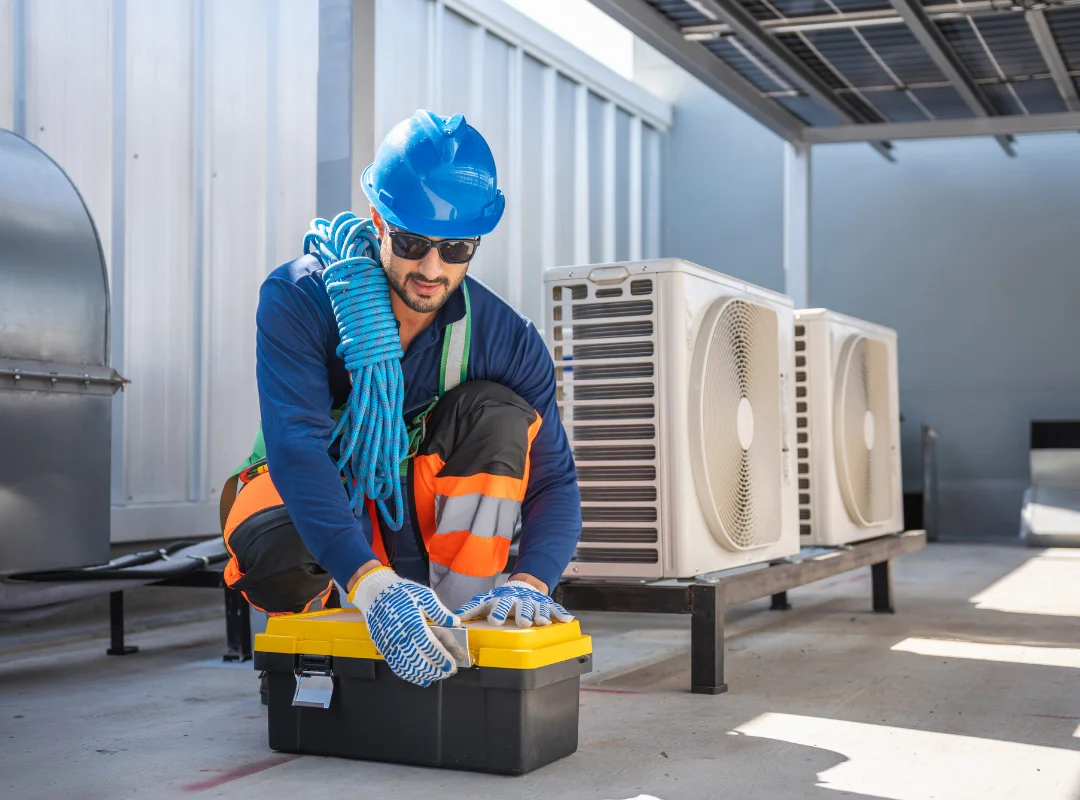
What Is an Air Conditioner Evaporator?
Homeowners generally hear terms like “evaporator coil” or “heat exchanger” during maintenance visits, but many never learn what these parts do. Knowing what is an air conditioner evaporator can help you know how your cooling equipment works and why certain issues, like warm rooms or weak airflow, happen. Let’s walk through how the evaporator functions and why it matters for your entire HVAC system.
What Is an Air Conditioner Evaporator?
The evaporator is one of the most important parts of any air conditioning system. It plays a major role in:
- Producing cool air
- Pulling heat from your house
- Keeping the air temperature inside your home stable
Without it, your air conditioner would only blow warm air. The evaporator sits inside the indoor portion of your air conditioning unit. This part contains the evaporator coil, a set of metal tubes and fins. These tubes hold liquid refrigerant, and as the system runs, the evaporator coil absorbs heat from the air inside your home.
If you look at how an air conditioner works, you’ll notice that cooling happens because refrigerant absorbs heat from the surroundings, and the evaporator makes this possible. It pulls heat from the surrounding air and transfers it outdoors.
This is the reason why knowing what an air conditioner evaporator is helps you understand the cooling process. Without it, the cooling system can’t produce cold air.
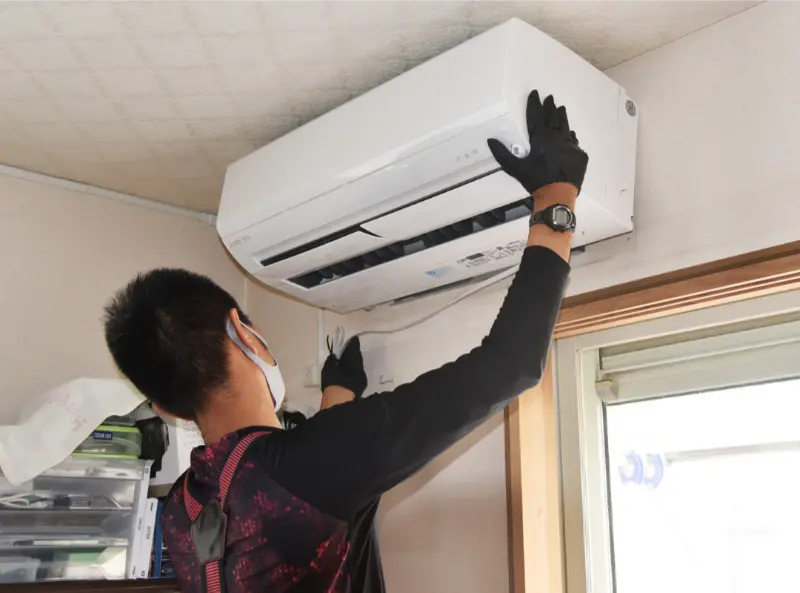
Where Is the Evaporator Coil Located?
The evaporator coil is located inside the air handler. This indoor cabinet holds the filters, blower, and other key parts. As warm indoor air passes through the cabinet, the coil absorbs heat from the airflow.
The evaporator stays cool during operation. As the blower fan pushes air across the coil, the refrigerant soaks up heat. This lowers the air temperature and turns warm air into comfort.
Most homeowners never see this part unless an AC technician opens the case. But it plays a major role in making your home feel cool.
How the Evaporator Coil Works With the Rest of the System
The evaporator plays a crucial part in the cooling loop. Here’s how the cycle works for your better understanding.
- The air handler pulls indoor air through filters
- Warm air moves across the evaporator coil
- The evaporator coil absorbs heat from the air
- Refrigerants carry that heat outdoors
- The condenser coil releases the heat into the outdoor air
- The cycle repeats until the thermostat reaches the set temperature
The condenser and evaporator work together like partners. One absorbs indoor heat and the other releases it outside. Both are super important for stable indoor cooling.
This same process also happens in a heat pump system. The cycle can reverse, allowing the HVAC system to pull heat from outdoor sources.

Why the Evaporator Coil Plays a Central Role in Cooling
The evaporator coil plays a huge role in cooling by removing heat from the air. This is the first step before cool airflow reaches rooms inside your home. Without a cold coil, your vents would never blow chilled air.
Here’s why its performance matters:
1. It Controls Indoor Air Temperature
The colder the coil, the colder the air becomes. A coil brings down the air temperature inside your home.
2. It Supports System Efficiency
A cold, clean AC evaporator coil moves heat quickly, giving you stronger airflow and better cooling.
3. It Helps Move Refrigerant Through the System
Low-pressure refrigerant inside the coil changes state as it becomes hot. This temperature change powers the cycle that moves refrigerant through the AC system.
4. It Works With the Blower to Create Comfortable Airflow
The blower fan pushes air through the system, and the evaporator ensures that air comes out cold.
Understanding Heat Transfer & Refrigerant
- As refrigerant flows through the coil, it absorbs heat from the rooms
- The refrigerant inside the coil sits at low pressure, which makes heat transfer easy
- The refrigerant temperature increases slightly when the indoor air touches the coil
- That small change pulls heat from the airflow
- After that, the refrigerant flows toward the outdoor cabinet, where the condenser releases the stored heat into the outdoor air
- This continuous cycle creates the cooling you feel inside your home.
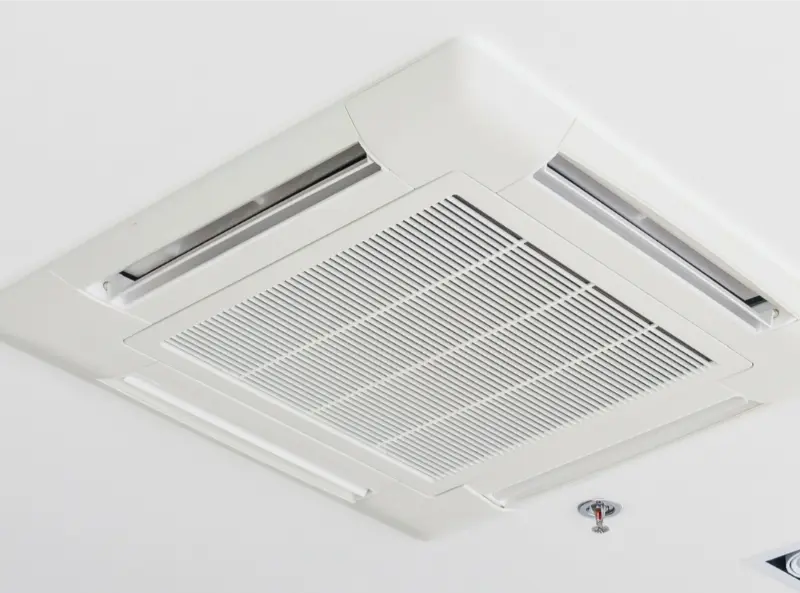
Understanding Heat Transfer & Refrigerant
- As refrigerant flows through the coil, it absorbs heat from the rooms
- The refrigerant inside the coil sits at low pressure, which makes heat transfer easy
- The refrigerant temperature increases slightly when the indoor air touches the coil
- That small change pulls heat from the airflow
- After that, the refrigerant flows toward the outdoor cabinet, where the condenser releases the stored heat into the outdoor air
- This continuous cycle creates the cooling you feel inside your home.
Signs of a Dirty Evaporator Coil
A dirty evaporator coil is a problem for cooling equipment. Moisture, dust, and debris form layers on the coil surface. When this happens, the coil can’t absorb heat well.
Here are symptoms of coil buildup:
- Ice forming on refrigerant lines
- Constant cycling
- Weak flow of air from vents
- Vents blowing room-temperature air
- Rooms cooling unevenly
A dirty coil forces your air conditioning unit to work harder. This affects temperature control and wastes energy.
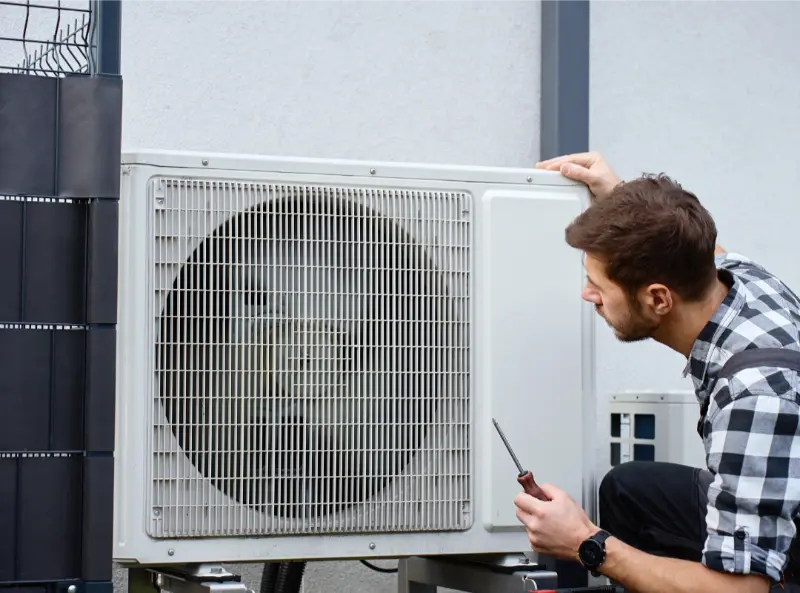
How Refrigerant Leaks Affect the Evaporator Coil
The evaporator depends on the right amount of refrigerant. When refrigerant leaks occur, the cooling drops. Low refrigerant leads to:
- Frozen coil
- Higher temperatures inside your home
- Reduced cooling output
- Strain on the compressor
If the coil doesn’t have the correct level of refrigerant, it can’t pull enough heat from your house. This leaves you with warm rooms and rising bills.
Evaporator Coil Problems in a Heat Pump System
A heat pump works much like an air conditioner during cooling seasons. But in cold months, the system reverses. The evaporator becomes the heating coil and absorbs heat from outdoor sources, bringing warmth inside.
If the evaporator coil has blockages, dirt, leaks, or the entire heat pump system struggles to maintain temperatures in either mode.
How the Blower & Air Handler Support the Coil
The blower pushes air across the coil. Without stable airflow, the evaporator can’t function properly. If the blower slows down, the coil freezes or becomes too cold. If the air handler is dirty or clogged, airflow drops quickly.
This is the reason why regular cleaning and inspections matter. Make sure you are getting these parts of your HVAC system checked regularly and from the professionals.
How an AC Uses the Evaporator to Produce Cold Air
When you need cooling, the thermostat signals the air conditioning system to start. The evaporator drops in temperature, and air flows across the coil, losing heat and becoming cold. That cold airflow then moves through ducts into your house. This cooling process starts with the evaporator. It absorbs heat and sets the temperature for the entire system.
Conclusion
Understanding what an air conditioner evaporator is helps you see how the cooling process works. The evaporator supports refrigerant flow, removes indoor heat, and works with the blower to circulate cool air throughout the home space and in every part of it. Clean coils keep the air conditioning system working properly. Leaks, dirty coils, and weak airflow slow the cycle and make the rooms of your home warm and uncomfortable. When you notice less cooling or signs of coil trouble, calling a HVAC professional can save your system from costly repairs.
HVAC Services for Evaporator Coil & Cooling Issues
If your cooling system struggles with warm rooms, weak airflow, or coil problems, Green Street HVAC can help you in Springfield, Tennessee, and nearby areas. We offer AC Install, AC Repair, HVAC Maintenance, Heat Pumps, Duct Cleaning, Thermostat Repair and Installation, and more.
Schedule services today, and our team will visit, inspect your evaporator coil, clean it, check for leaks, and keep your equipment running at stable temperatures. Call us today!