Should You Keep Your Thermostat on Hold?
When it comes to heating and cooling your house, the thermostat often feels like the remote control for your comfort. You set the temperature, and the hvac system does the heavy lifting. But there’s one question homeowners often ask: Should you keep your thermostat on hold? It sounds simple: press a button and maintain the same temperature, but the decision has a significant impact on energy savings, comfort, and even the lifespan of your heating and cooling equipment. Let’s explore what “hold” really means, when to use it, and how it affects your energy bills and comfort.
What Does "Hold" Mean on a Thermostat?
Almost every programmable thermostat or smart thermostat has a hold button. But what does the hold mean?
- Temporary Hold: This feature allows you to temporarily override your pre-programmed schedule and set a specific temperature for a short period. For example, if you’re cold in the evening and want to bump the heat up two degrees, you can put the thermostat on a temporary hold until the next scheduled setting kicks in.
- Permanent Hold (or Thermostat on Hold): This keeps the thermostat locked at your set temperature until you manually change it again. In other words, it ignores your pre-programmed settings and sticks to one steady temperature.
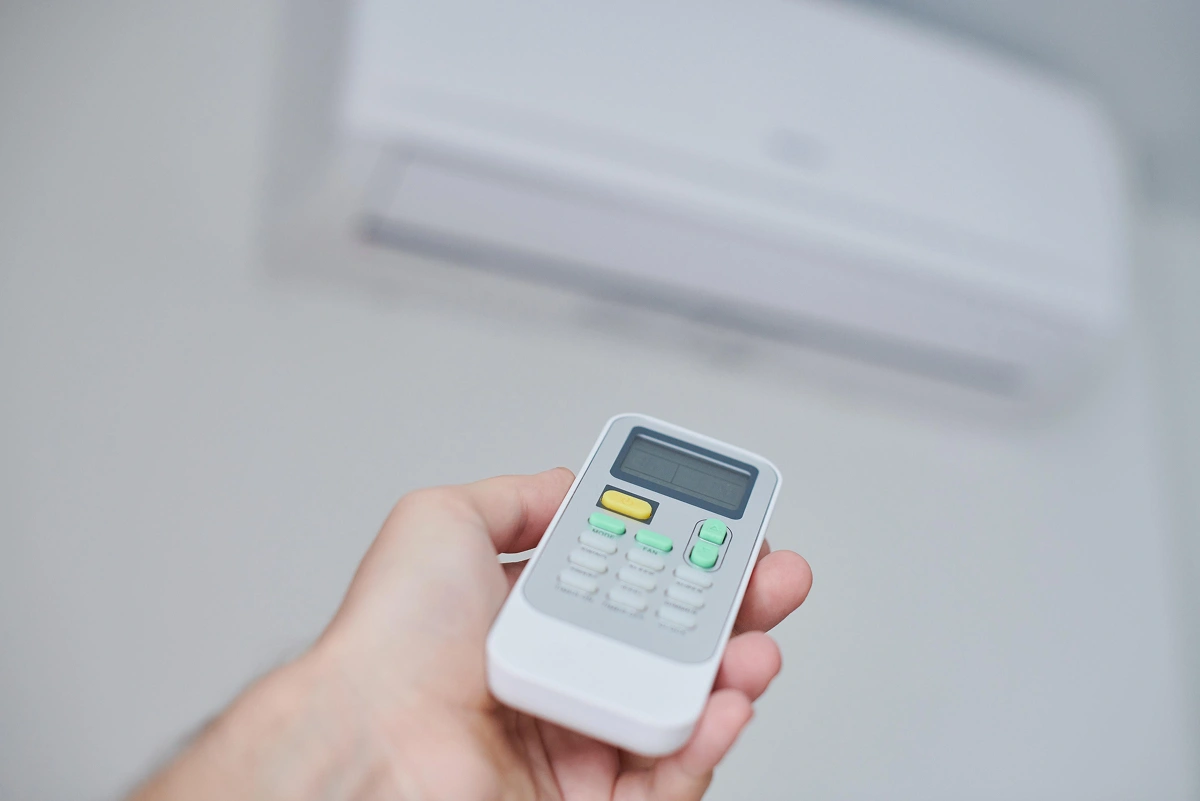
This feature can feel like a lifesaver on busy days, vacations, or when you don’t want to keep adjusting the thermostat. But is it the best choice for your energy efficiency and home comfort?
How Programmable Thermostats Work
Before deciding if you should keep your thermostat on hold, it helps to understand how programmable thermostats and modern thermostats are designed.
- Most programmable thermostats allow you to set a pre-programmed schedule that follows your daily routine.
- For example, you can let the house cool down while you’re at work and warm up right before you return.
- These programmed settings are designed to save energy without compromising comfort.
A smart thermostat goes even further. It can learn your habits, track energy usage, and even make recommendations to reduce higher energy bills. These devices allow you to set different temperatures for different times of the day, helping you balance comfort and energy savings.
Should You Keep Your Thermostat on Hold All the Time?
So, should you keep your thermostat on hold? The short answer is: not usually. Here’s why.
1. Energy Savings Go Down
Keeping the thermostat at one steady temperature for an extended period can feel comfortable, but it often leads to higher energy bills. Why? Because your heating and cooling system runs constantly to maintain a single perfect temperature, even when you don’t need it.
2. Wear and Tear on Your HVAC System
Running the hvac system nonstop puts immense stress on the equipment. Over time, this extra work can lead to wear and tear, costly repairs, or even the need to replace components such as the furnace or cooling system.
3. Losing Out on Features
If you have pre-programmed settings, using “hold” too often means you’re ignoring the very features that were designed to give you energy savings and efficiency.
In short, holding the thermostat permanently at one temperature takes away the advantages of a regular schedule.

When It Makes Sense to Use the Thermostat Hold Feature
There are times when putting your thermostat on hold is smart:
- Vacation Hold: If you’re leaving for an extended period, using the hold feature at a temperature higher in summer or lower in winter can keep your house safe from frozen pipes or overheating while also saving energy.
- Guests Over: Perhaps you have people visiting and want to keep the house warmer or cooler than your usual routine. A temporary hold keeps everyone comfortable without messing up your programmed schedule.
- Extreme Temperatures: During stretches of extreme temperatures, the system may struggle to keep up with frequent changes. In these cases, a steady temperature for a day or two can help maintain comfort.
- Health Concerns: If someone in the house has health problems that require a specific temperature, then keeping the thermostat on hold makes sense.
Comfort vs. Energy Efficiency in Thermostat Setting
There’s always a balance between being comfortable and saving energy.
- Comfort means having a comfortable temperature throughout your house, whether you’re awake, asleep, or away.
- Energy efficiency refers to using the minimum amount of energy while maintaining proper system operation.
Using your thermostat as intended, with a programmed schedule, offers the best of both worlds. But sometimes comfort wins, and that’s okay. The key is not holding your typical setting.
Factors That Affect the Best Thermostat Setting
Your decision on whether to keep your thermostat on hold depends on several factors:
- Climate: In summer and winter, the outdoor temperatures are more extreme, so the hvac system works harder. This makes energy savings more noticeable when you use a schedule.
- Insulation and Air Leaks: A well-insulated house with sealed doors and windows can maintain a steady temperature more easily. If your home has air leaks, the system must work harder, making the “hold” less efficient.
- Daily Routine: If you have a predictable daily routine, a pre-programmed schedule works well. If your schedule is irregular, the temporary hold feature might make more sense.
- Thermostat Model: Modern thermostats have features like access from your phone, making it easy to adjust settings without always relying on “hold.”
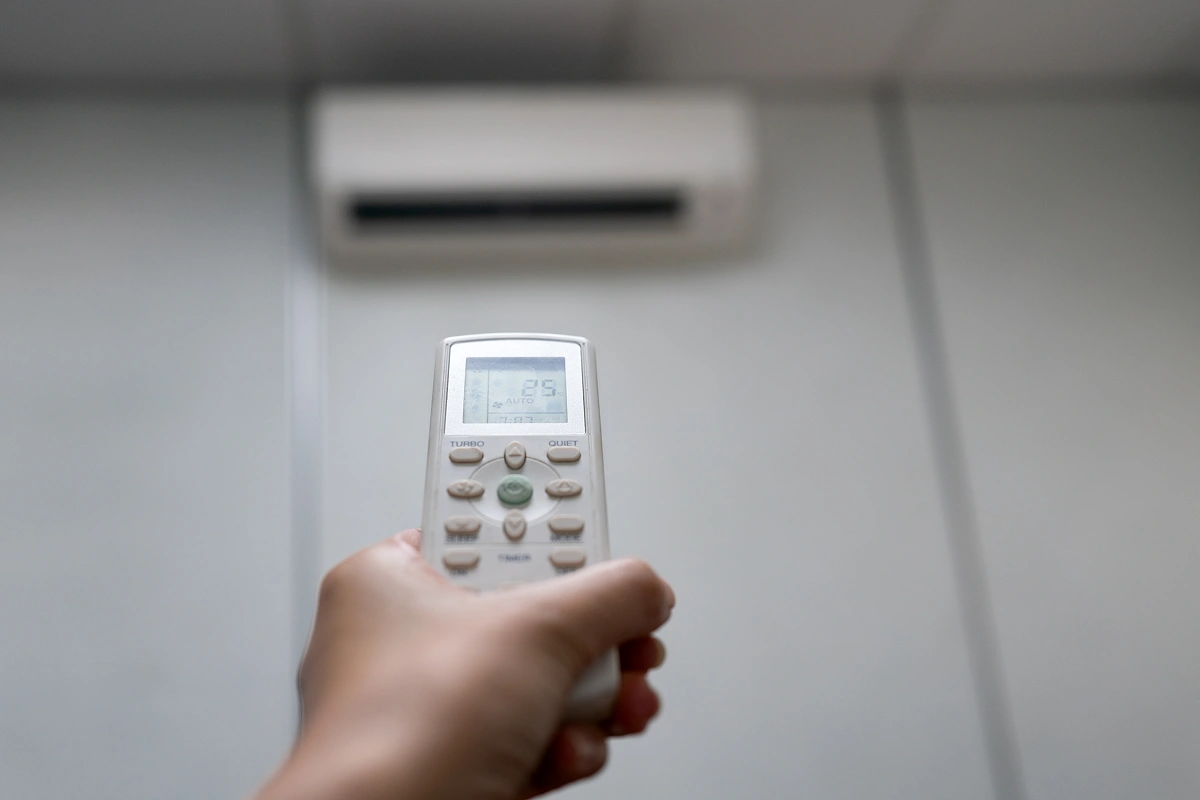
Thermostat Setting On a Winter Day vs. Summer Day
- Winter: In the morning, your heating kicks on to warm the house before you wake up. When you leave for work, the thermostat lowers the temperature to save energy. By the time you return, the furnace will have already started heating again, so the house will feel warm.
- Summer: During air conditioning season, the cooling system runs less while you’re gone. Before you return, it lowers the temperature so you come home to a comfortable temperature.
If you put your thermostat on hold at one temperature for the whole day, you lose out on these savings.
The Risk of Higher Energy Bills by Thermostat On Hold
If you’ve ever been surprised by higher energy bills, check your thermostat. A thermostat on hold for an extended period may be the reason. Even a few degrees difference in temperature can lead to big jumps in energy usage.
For example, setting your air conditioning two degrees cooler than needed in summer can raise energy bills by more than 10%. The same goes for keeping the furnace running at a higher temperature in the winter.
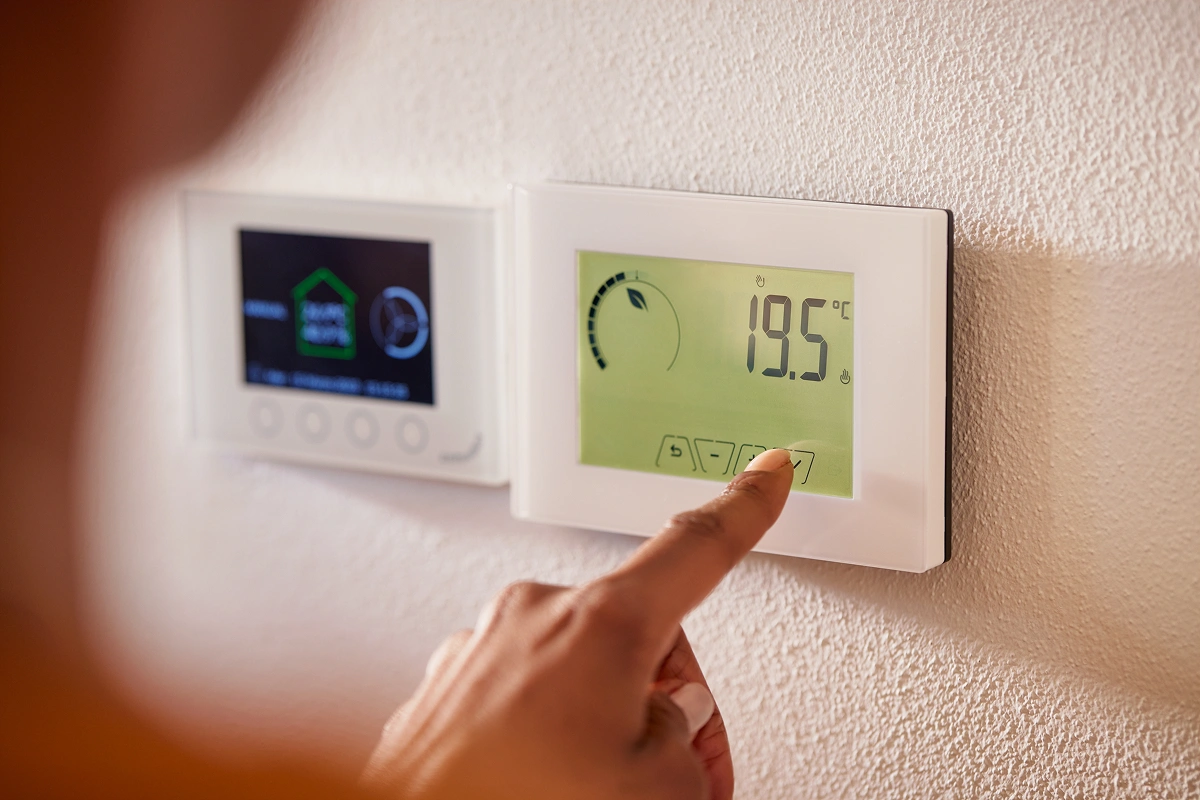
Final Thoughts: Setting Your Thermostat On Hold
So, should you keep your thermostat on hold? The answer depends. For day-to-day living, the best option is to stick to your pre-programmed schedule or use a smart thermostat that can adjust to your daily routine. This gives you the right mix of comfort and energy savings. Use the hold button only when it truly makes sense, such as during vacations, unusual weather, or exceptional circumstances.
By making small, thoughtful choices, you can keep your house at the perfect temperature, protect your hvac system, and enjoy both comfort and savings.
Green Street HVAC: Thermostat Installation in Tennessee
If you want reliable thermostat repair and installation in Springfield, Ashland City, Nashville, and other areas in Middle Tennessee, Green Street HVAC is here to help. With decades of experience in hvac systems, we are a trusted name in Springfield, Tennessee.
Our certified team is just a call away if you need professional Aeroseal duct sealing, complete HVAC system maintenance, ductwork inspection, or furnace repair.
Contact Green Street HVAC today at (615) 788-4329 to schedule your service or get a free quote online!