How Often Should AC Filters Be Changed?
When you think about keeping your air conditioning system running smoothly, the last thing that comes to mind might be the humble air filter. It’s small, inexpensive compared to other HVAC equipment, and easy to overlook. But here’s the thing: your filter plays a massive role in your AC system’s performance, indoor air quality, and even your monthly utility bills. So let’s answer the big question: how often should AC filters be changed? The short answer is, it depends. The long answer is worth exploring because the proper filter habits can improve energy efficiency, prevent costly repairs, and give you cleaner indoor air to breathe.
Why AC Filters Matter
Your AC filter isn’t just there to collect dust. Its job is to trap airborne particles, pet dander, mold spores, and other debris floating through your home. Without a clean filter, your air conditioning has to push more air through a clogged surface, which puts strain on fan motors, reduces air flow, and lowers your system’s efficiency. A dirty air filter can:
- Restrict airflow
- Cause the evaporator coil freezes
- Lead to higher energy bills
- Allow airborne contaminants into your indoor air
- Shorten the life span of your hvac system
In other words, regularly changing your filter isn’t just about dust; it’s about keeping your whole air conditioner healthy.
General Guidelines: How Often Should AC Filters Be Changed?
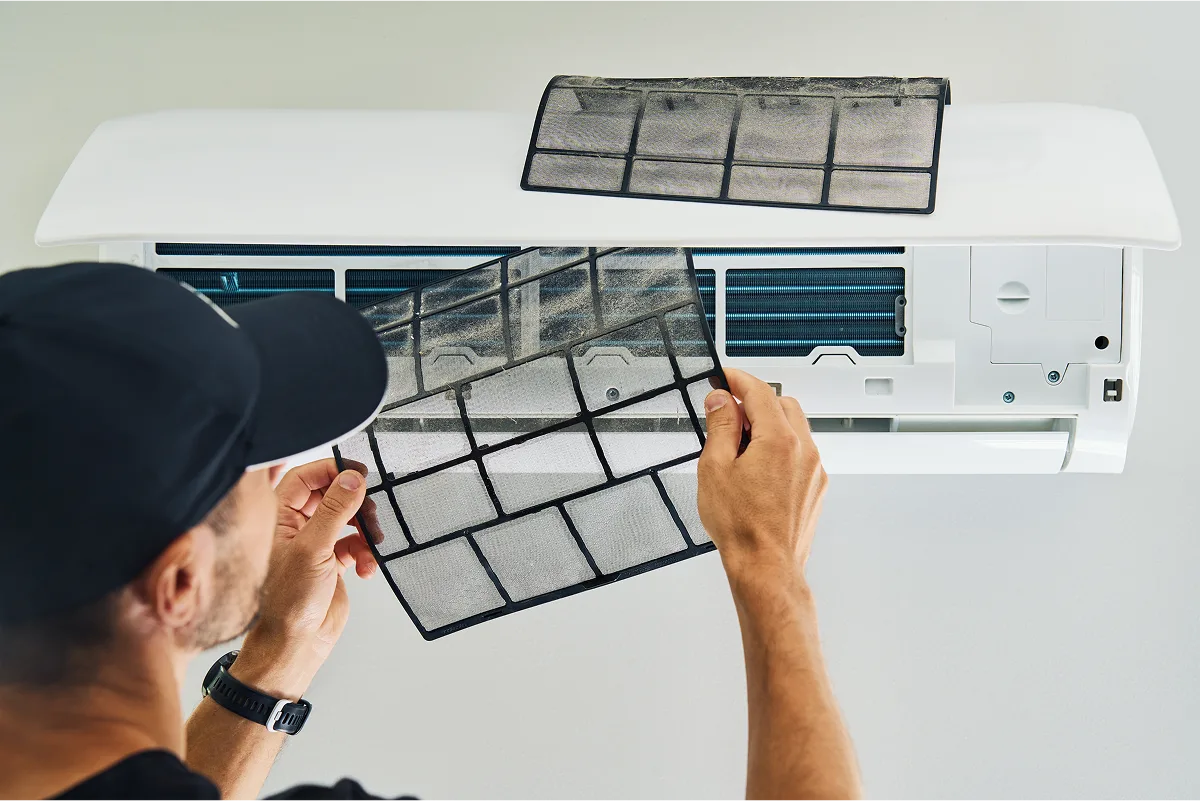
So, how often should AC filters be changed? For most homes, it’s generally recommended to replace your filter every 30 to 90 days. However, the exact timing depends on your filter type, your home’s specific needs, and your HVAC system.
Here’s a breakdown:
- Fiberglass filters (the inexpensive, thin ones): Replace about every 30 days.
- Pleated filters (thicker and better at trapping small particles): Last about 60–90 days.
- Washable filters: Rinse and reuse them once a month, but keep an eye on them for signs of wear.
- Most disposable air filters fall in the 1–3 month range, depending on your home.
Keep in mind, these are averages. More frequent filter changes may be needed in certain situations to keep the AC running smoothly.
Factors That Affect How Often You Should Change AC Filters
Changing your filter isn’t a one-size-fits-all thing. Several factors can shorten or lengthen the time between swaps.
1. Pets in the Home
Pet hair and pet dander can quickly clog a filter. If you have multiple pets, you’ll need to change your air filter more often, sometimes every 30–45 days.
2. Allergies or Respiratory Conditions
If someone in the home has respiratory conditions, frequent filter replacement helps reduce airborne pollutants and other contaminants that may trigger symptoms.
3. Dusty Environment
A dusty environment, nearby construction, or homes in dry climates can lead to increased dust in the air. In these cases, you’ll want more frequent changes to maintain good air quality.
4. Home's Location
Your home’s location plays a role, too. Homes located near highways or industrial areas are exposed to higher levels of airborne pollutants, necessitating the need for more frequent filter replacements.
5. Vacation Homes vs. Daily Use
If your house is a vacation home or is used only occasionally, you may stretch out the life span of the filter. Still, you’ll need to replace it at least once or twice a year to protect the system.
The Role of MERV Ratings in AC Filter Replacement
Not all hvac filters are created equal. Filters are rated by MERV ratings (Minimum Efficiency Reporting Value), which measure how well they trap particles.
- Low MERV (1–4): Basic fiberglass filters catch large dust and debris but not much else.
- Medium MERV (5–8): Standard pleated filters capture dust mites, pet hair, and other contaminants.
- High efficiency filters (MERV 9–12): Better for people with allergies or respiratory conditions.
- Very high (13+): Often used in hospitals; not always recommended for home HVAC systems unless designed for them, as they can restrict airflow if your system isn’t built for it.
The higher the MERV, the more airborne pollutants it can block, but also the more it can stress your hvac system if it’s not compatible.
Signs You Need to Replace the AC Filter Sooner
Even if you’re following the generally recommended schedule, sometimes your filter will need to be swapped sooner. Here are the warning signs:
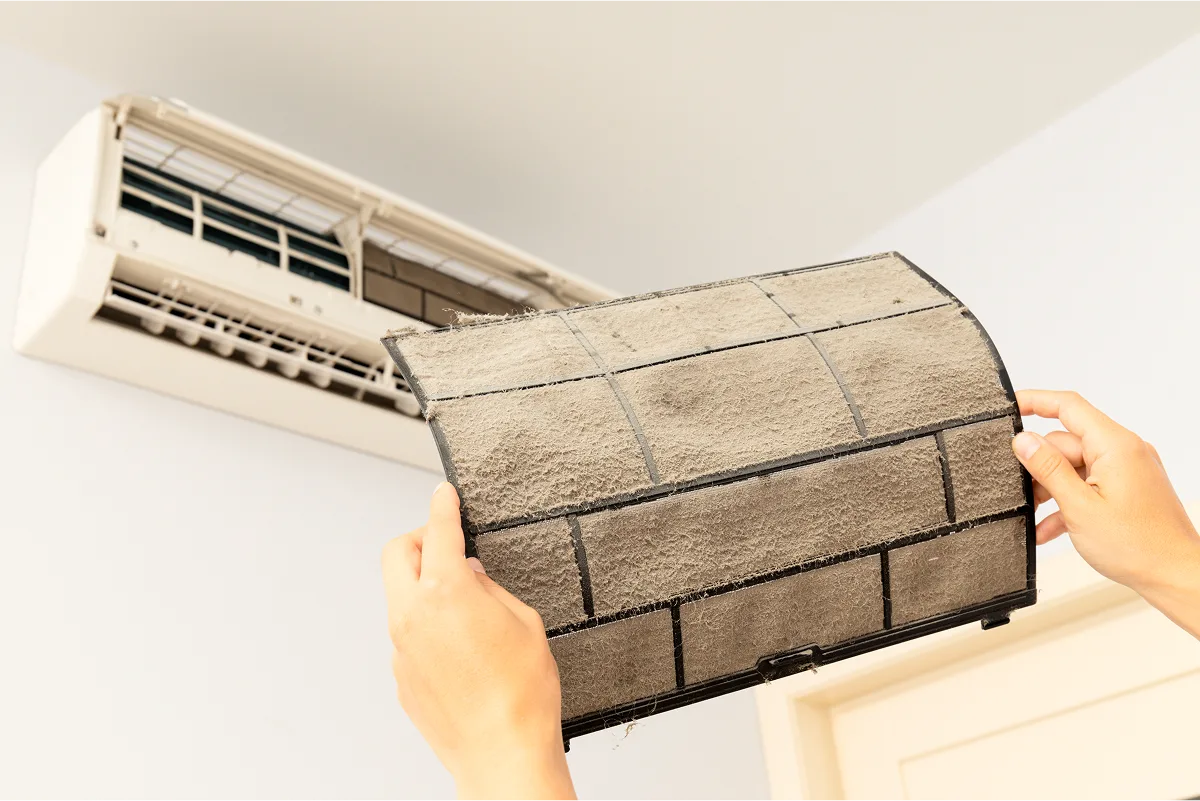
- Dirty filter, you can see at a glance
- Musty smells or more dust throughout your home
- Clogged filter causing reduced air flow
- Higher energy bills without explanation
- Hot or cold spots in the home
- Air conditioner running longer to produce heat or cooling
If you notice these issues, don’t wait for the calendar; replace the filter right away.
Disposable vs. Washable AC Filters
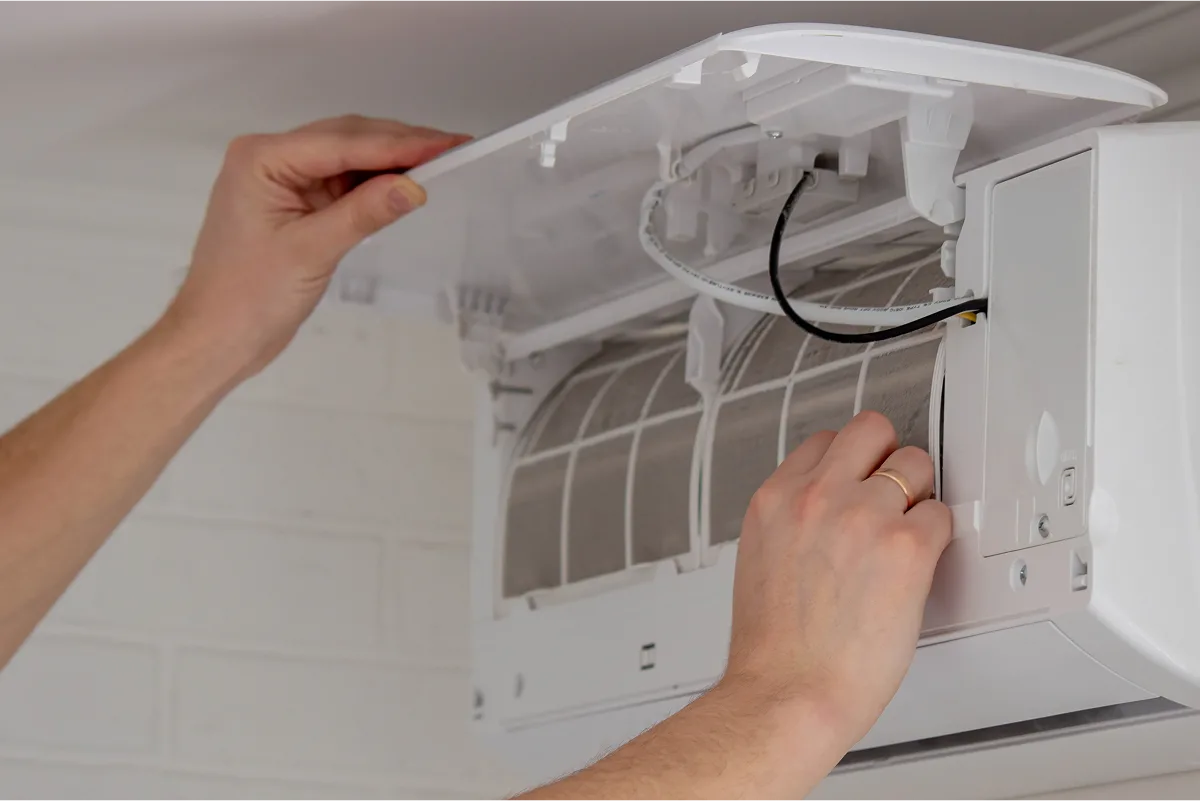
There are two main categories:
- Disposable air filters are the most common, affordable, and widely available option. Most disposable air filters need to be replaced every 1–3 months, depending on the filter type.
- Washable filters: Can be rinsed and reused, making them eco-friendly. However, you must clean them thoroughly to prevent mold spores and other contaminants from accumulating.
Each has its pros and cons, but for busy homeowners, disposables are usually easier.
What Happens If You Don't Change the Air Filter?
Ignoring the filter can cause bigger problems than just dust and debris. A dirty filter can:
- Force fan motors to work harder, which reduces the system’s efficiency
- Cause overheating or freezing of the evaporator coil
- Lead to higher energy bills
- Circulate dirty air filter particles into your indoor air
- Shorten the life span of your AC unit and even the heating and cooling system as a whole
In severe cases, a neglected filter can cause breakdowns that require repairs to the furnace or cooling system, resulting in costly repairs.
Regularly Changing AC Filters Means Better Air & Lower Bills
Here’s the good news: regularly changing your filter helps your system work properly, keeps air flow strong, and improves indoor air quality. It also enables you to avoid higher energy bills by reducing the strain on your hvac system.
Think of it this way: a clean filter lets your air conditioner breathe. Just like you wouldn’t run a marathon with a stuffy nose, your AC unit can’t run well with a clogged filter.
Wrapping It Up: Changing AC Filters Regularly
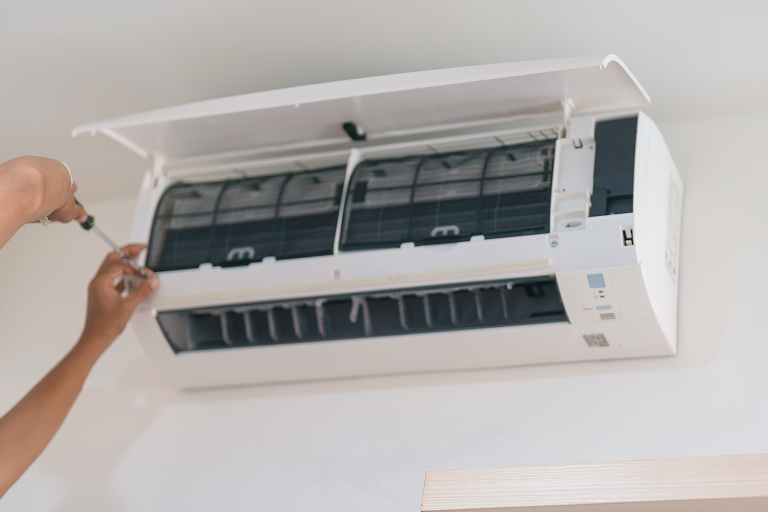
So, how often should AC filters be changed? The safe answer is every 30 to 90 days, but the honest answer depends on your lifestyle, your filter type, and your home’s location.
If you’ve got multiple pets, allergies, or a dusty environment, you’ll need more frequent filter changes. If it’s a vacation home, you can make it a more extended stay. Either way, paying attention to your filter keeps your hvac system, air conditioning, and heating running smoothly while protecting your indoor air quality.
At the end of the day, swapping out a filter is one of the easiest ways to save on energy bills, improve air quality, and prevent costly repairs. A few minutes every month or two can add years to your AC unit’s life span and keep your home feeling fresh and comfortable.
Green Street HVAC for AC Install & Repair in Tennessee
Need AC repair and installation in Middle Tennessee? Green Street HVAC has over 20 years of experience in commercial duct cleaning and overall HVAC maintenance services.
Our certified team is at your service if you need professional Aeroseal duct sealing, complete HVAC system maintenance, ductwork inspection, or furnace repair.
Contact Green Street HVAC at (615) 788-4329 to schedule your AC installation and repair service now!